

Have you ever been in the middle of cooking or heating your home, only to realize your propane tank is empty? It’s frustrating, inconvenient, and sometimes even unsafe if you don’t spot the signs early.
Knowing exactly when your propane tank is running low can save you from unexpected interruptions and last-minute trips to refill. You’ll discover simple, practical ways to tell when your propane tank is empty—no guesswork needed. Keep reading to learn how to stay prepared and avoid running out at the worst possible moment.
Credit: www.searspartsdirect.com
Check The Tank Gauge
Knowing when your propane tank is empty is important for safety and convenience. The tank gauge helps you see how much propane is left.
Reading the gauge correctly can save you from running out of propane unexpectedly.
Locate The Pressure Gauge
The pressure gauge is usually found near the tank valve. It looks like a small round dial with numbers or colors.
Make sure you have clear access to the gauge so you can check it easily before use.
Interpret Gauge Readings
The gauge shows the pressure inside the tank, which relates to how full it is. Higher pressure means more propane.
- A full tank usually shows a reading in the green zone or high numbers.
- Half-full tanks show medium pressure or yellow zones.
- Low pressure or red zones mean the tank is almost empty.
Limitations Of Gauge Accuracy
Tank gauges can be less accurate when the tank is very cold or near empty. Pressure can change with temperature.
It is good to use the gauge as a guide, but also check propane levels by weight or with a scale for best accuracy.
Listen For Unusual Sounds
Listening carefully can help you know if your propane tank is empty. Some sounds tell you when gas is low or gone.
Pay attention to strange noises near the tank or regulator. These sounds can warn you about the tank’s condition.
Hissing Or Whistling Noises
A hissing or whistling sound near the propane tank may mean a leak or low pressure. This can happen when gas runs out.
These noises often come from the valve or regulator. They signal that propane flow is not normal and should be checked.
- Hissing means gas is escaping or pressure is low
- Whistling shows gas flow is restricted or ending
- Both sounds suggest the tank needs inspection
Silent Tank Indicators
Sometimes an empty propane tank makes no sound at all. A silent tank may mean the gas is fully used up.
If your tank is silent but your appliance won’t work, the tank is likely empty. No sound can be a sign to refill or replace it.
Observe Appliance Performance
Knowing when your propane tank is empty helps avoid sudden appliance stops. Watching how your appliances work can give clear signs.
Check the flame and appliance actions to tell if propane is low or gone. Small changes can mean your tank needs refilling soon.
Flame Size And Color Changes
When propane runs low, the flame on your appliance may get smaller. The color of the flame may also change from blue to yellow or orange.
A weak or flickering flame means less fuel is reaching the burner. This is a clear sign your propane tank might be empty soon.
- Blue flame means good propane supply
- Yellow or orange flame means low propane
- Small or weak flame shows low fuel
Intermittent Operation
Appliances may turn on and off randomly when propane is low. This happens because there is not enough fuel to keep them running steadily.
If you notice your heater or stove stops working often, check your propane tank level. Intermittent operation is a sign to refill soon.
- Appliance starts then stops quickly
- Heating or cooking is uneven
- Power loss during use
Complete Shutdown
Your propane appliance will stop working completely when the tank is empty. No fuel means no flame or heat.
If your appliance suddenly stops and won’t restart, check the propane tank. It is likely empty or very low.
- No flame on burners
- Appliance will not ignite
- Gas smell may be absent
Use The Hot Water Test
Knowing when your propane tank is empty is important for safety and convenience. The hot water test helps you check the propane level without special tools.
This test uses temperature differences on the tank to find out if propane is inside.
How To Perform The Test
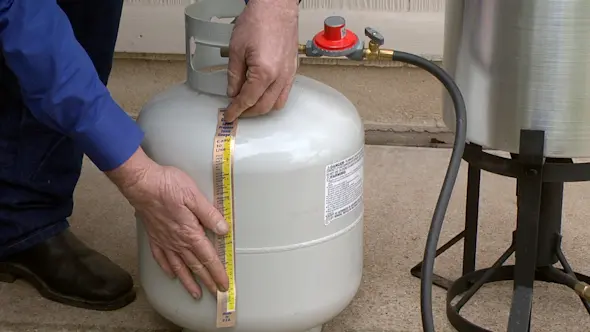
Pour hot water down the side of the propane tank. Use water that is warm, not boiling.
Wait a few seconds after pouring the water so the tank surface changes temperature.
Interpreting Temperature Differences
Feel the side of the tank where you poured the water. Parts with propane feel cool. Empty parts feel warm.
- If the tank feels cool below a certain point, propane is present there.
- If the tank feels warm all over, it is likely empty.
- The cool spot shows the propane level inside the tank.
Monitor Usage Frequency
Knowing when your propane tank is empty helps you avoid running out unexpectedly. Watching how often you use propane gives clues about your tank’s status.
Tracking usage frequency is a simple way to estimate when you need a refill. This guide shows two key methods to monitor propane consumption.
Estimate Consumption Rates
Estimate how fast you use propane by checking your appliances’ consumption rates. Each device uses propane at a different speed.
- Check the BTU rating on your appliance label.
- Calculate hours of use per day.
- Multiply BTU by hours used.
- Convert total BTUs to gallons of propane.
This estimate shows how much propane you consume daily. Use this to predict when your tank will be empty.
Track Last Refill Date
Keep a record of the last time you refilled your propane tank. This helps you compare usage over time.
| Refill Date | Tank Capacity (Gallons) | Estimated Days Left |
| March 1, 2024 | 20 | 30 |
| April 1, 2024 | 20 | 15 |
| April 15, 2024 | 20 | 5 |
By noting the refill date and how long the tank lasts, you can better plan your next refill.

Credit: www.petroking.ca
Check For Frost Or Ice Build-up
Checking your propane tank for frost or ice can help you know if it is empty. Frost forms when the liquid propane inside cools the tank surface. This usually means the tank is low or empty.
Learning to spot frost and understanding its meaning can keep you safe. Follow safety steps to avoid accidents when handling propane tanks.
What Frost Indicates
Frost or ice on the tank shows the propane is changing from liquid to gas. This cooling effect happens more when the tank is almost empty. It means the tank pressure is low.
- Frost at the bottom means the tank is very low on propane.
- A thin layer of frost along the tank shows normal use.
- Heavy ice build-up suggests the tank may soon run out.
- No frost usually means the tank is full or almost full.
Safety Precautions
Handling propane tanks needs care, especially when frost or ice appears. Follow these safety tips to protect yourself and others.
| Precaution | Action |
| Wear gloves | Protect your hands from cold frost and ice |
| Check for leaks | Use soapy water to spot bubbles near valves |
| Keep tank upright | Prevent propane from leaking or causing frost build-up |
| Do not heat tank | Avoid adding heat to melt frost; it can be dangerous |
| Replace or refill | Call your propane supplier if frost indicates low fuel |
Use Electronic Propane Tank Monitors
Knowing when your propane tank is empty helps you avoid running out of fuel. Electronic propane tank monitors make this easy and accurate.
These devices connect to your tank and give real-time information about propane levels. You can check the status from your phone or a display unit.
Types Of Monitors
There are different types of electronic monitors designed for propane tanks. Each type offers unique ways to check fuel levels.
- Weight-Based Monitors: Measure the tank’s weight to estimate propane left.
- Ultrasonic Sensors: Use sound waves to detect the propane level inside the tank.
- Pressure Sensors: Track the pressure changes to guess how much propane remains.
- Smart Monitors: Connect to Wi-Fi and send alerts directly to your phone.
Benefits Of Digital Readings
Digital readings from electronic monitors give clear and accurate information. This helps you plan refills before your propane runs out.
These monitors reduce guesswork and prevent surprises. They also save time by showing real-time data without manual checks.
- Easy to read numbers and alerts
- Remote monitoring from your phone or device
- Improved safety by avoiding empty tanks during use
- Better fuel management and cost savings
Credit: www.homehardware.ca
Frequently Asked Questions
How Do I Check Propane Tank Levels?
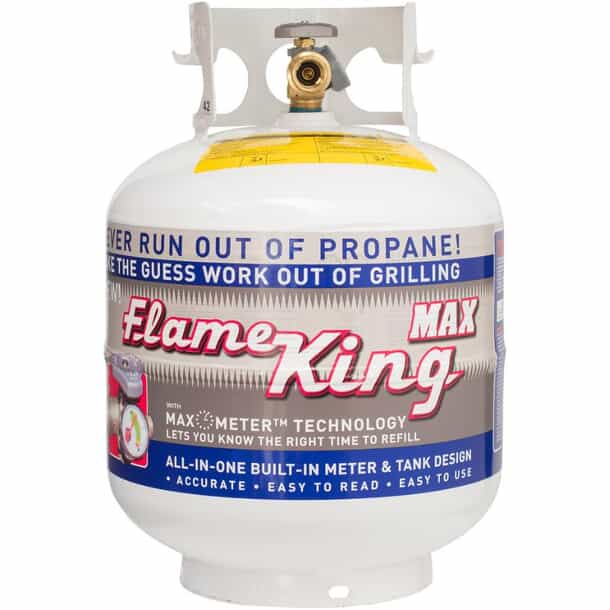
You can check propane tank levels using a gauge or by weighing the tank. Some tanks have a built-in gauge. Weighing requires knowing the tank’s tare weight and subtracting it from the current weight.
What Are Signs Of An Empty Propane Tank?
An empty propane tank will have no flame when ignited. You might also notice a lighter tank and hear no gas flow.
Can I Use Hot Water To Check Propane Levels?
Yes, pour hot water down the side of the tank. Feel for a cool spot to indicate the propane level.
Is It Safe To Run Out Of Propane?
Running out of propane can be dangerous. It might cause leaks, appliance damage, or system malfunctions. Always ensure regular checks.
Conclusion
Knowing when your propane tank is empty keeps you safe and prepared. Check the tank’s weight or use a gauge for accuracy. Watch for changes in flame size or pressure. Regular checks help avoid surprises during use. Keep your propane tank in good condition.
Stay aware and ready to refill before running out. Simple steps make a big difference in propane safety. Don’t wait until the last minute to check your tank. Stay safe, save time, and keep your appliances running smoothly.