
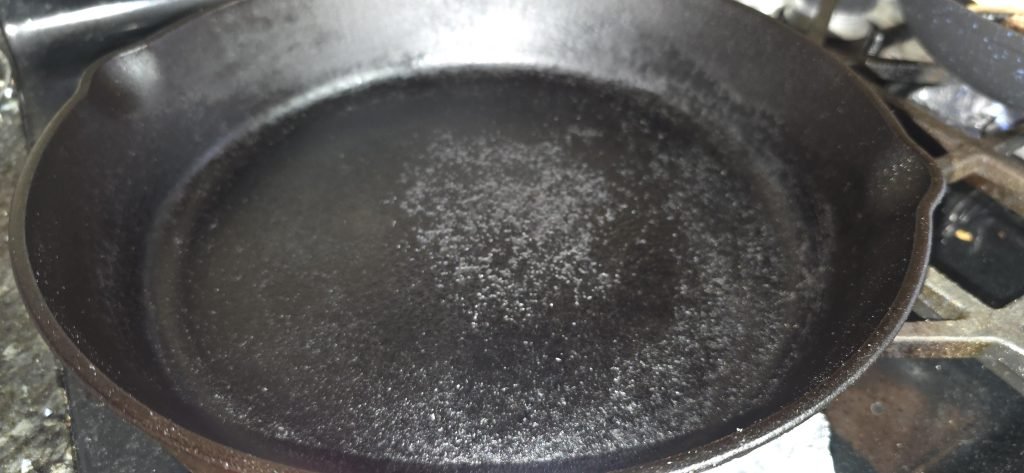
If you love cooking with cast iron, you know how important a good seasoning is. But keeping that perfect, non-stick layer can be tricky.
You might have noticed your pan losing its shine or food starting to stick. Don’t worry—there are simple steps you can take to keep your cast iron seasoned and ready for every meal. You’ll discover easy tips that make your pan last longer and cook better.
Ready to make your cast iron your favorite kitchen tool again? Let’s dive in!
Preparing Your Cast Iron
Cleaning cast iron properly helps keep its seasoning strong. Avoid soap as it can strip the seasoning layer. Use warm water and a stiff brush or sponge to clean the pan. For stuck food, scrub with coarse salt and a bit of water. Rinse well and dry immediately to stop rust.
Drying your cast iron quickly is key to protect the seasoning. Use a towel to wipe the pan dry. Then, heat it on low stove heat for a few minutes to remove all moisture. This keeps the pan ready for oiling and storing.

Credit: www.reddit.com
Choosing The Right Oil
Choosing the right oilis key to keeping cast iron seasoning strong. Different oils have different smoke points and flavors.
| Type of Oil | Smoke Point | Benefits |
|---|---|---|
| Flaxseed Oil | 225°C (437°F) | Creates a hard, durable coating; dries quickly |
| Vegetable Oil | 204°C (400°F) | Easy to find; good for regular seasoning |
| Canola Oil | 204°C (400°F) | Neutral flavor; affordable; good for maintenance |
| Grapeseed Oil | 216°C (420°F) | High smoke point; light flavor; smooth finish |
Oils with higher smoke points resist burning during seasoning. Some oils create a stronger, long-lasting layer.
Choosing an oil with a neutral flavor keeps food taste pure. Regular application helps protect the cast iron well.
Seasoning Process
Spread a thin layer of oil over the entire cast iron surface. Use oils with high smoke points like vegetable, flaxseed, or grapeseed oil. Avoid using too much oil; a small amount is enough. Excess oil can create sticky spots.
Place the cast iron upside down in the oven to prevent oil pooling. Heat the pan at 375-450°F (190-230°C) for about one hour. This process helps the oil bond to the metal and form a strong coating.
Let the pan cool inside the oven after heating. This allows the seasoning to set evenly. Repeat the process if the seasoning looks uneven or weak.
Maintaining The Seasoning
Clean your cast iron with warm water and a soft brush right after use. Avoid soap, as it can strip the seasoning layer. Dry the pan thoroughly to stop rust from forming.
Apply a thin layer of cooking oil after cleaning. Heat the pan on low for a few minutes to help the oil soak in. This keeps the seasoning strongand smooth.
- Do not soak the pan in water for long periods.
- Avoid using metal scrubbers that can scratch the surface.
- Skip dishwasher cleaning; it damages the seasoning.
- Do not cook acidic foods often; they can wear down seasoning.
Storing Cast Iron
Store cast iron in a dry placeto avoid rust. Avoid damp or humid areas like basements or near sinks. Airflow helps keep the pan dry.
Keep cast iron away from extreme temperature changes. Sudden cold or heat can cause the pan to warp or crack.
- Use a paper towel or cloth between stacked pans to protect the seasoning.
- Store pans upside down to prevent moisture collection.
- Avoid plastic covers as they trap moisture.
- Lightly oil the surface before storing for extra protection.

Credit: www.facebook.com
Troubleshooting Issues
Flaking appears as small pieces of the seasoning coming off the cast iron. It means the layer is weak or damaged. This happens if the pan was overheated or scrubbed too hard. Avoid using soap or rough scrubbing pads. Instead, use a soft brush and warm water for cleaning.
To fix flaking, re-season the pan right away. Clean the pan well and dry it completely. Apply a thin coat of cooking oil all over the surface. Use oils like vegetable, flaxseed, or canola oil. Heat the pan in the oven at 375°F (190°C) for one hour. Let it cool in the oven before taking it out.
Repeat this re-seasoning process 2-3 times for a strong layer. Store the pan in a dry place. Wipe a small amount of oil on the surface after each use to keep the seasoning smooth and shiny.
Expert Recommendations
To keep seasoning on cast iron, always dry the pan completely after washing. Avoid soaking it in water for long periods. Use hot water and a brushfor cleaning, not soap or harsh detergents.
Apply a thin layer of vegetable oil or flaxseed oilafter each use. Heat the pan on the stove or in the oven to help the oil soak in. This keeps the surface smooth and non-stick.
- Cook with fatty foodslike bacon or oil-rich dishes to build seasoning.
- Avoid cooking acidic foods like tomatoes often, as they can wear the seasoning.
- Store the pan in a dry place to prevent rust.
Re-season the pan if food starts to stick or the surface looks dull. Heat the pan, apply oil, and bake it at 350°F for one hour. Let it cool in the oven.
:max_bytes(150000):strip_icc()/faw-field-company-no-8-cast-iron-skillet-medium-10-25-inch-jennifer-zyman-10-bd8a731366984600b5a3c1495b307284.jpeg)
Credit: www.foodandwine.com
Frequently Asked Questions
How Often Should I Re-season My Cast Iron Skillet?
Re-season your cast iron skillet every 3-6 months or when food starts sticking. Regular use and cleaning help maintain the seasoning. Apply a thin layer of oil and bake it to restore the non-stick surface and prevent rust.
What Oils Are Best For Seasoning Cast Iron?
Use oils with high smoke points like flaxseed, grapeseed, or vegetable oil. These oils polymerize well, creating a durable, non-stick layer on the cast iron surface. Avoid low smoke point oils, as they can become sticky or rancid.
Can I Use Soap To Clean Cast Iron Without Ruining Seasoning?
Yes, mild soap can be used occasionally without harming seasoning. Avoid harsh detergents or soaking in water. Always dry thoroughly and apply a light oil layer after cleaning to maintain the seasoning and prevent rust.
Why Does My Cast Iron Lose Seasoning Quickly?
Seasoning may wear off due to improper cleaning, cooking acidic foods, or insufficient oiling. Avoid scrubbing too hard or using soap too often. Regularly oil and heat your skillet to maintain a strong, lasting seasoning layer.
Conclusion
Keeping seasoning on cast iron takes simple care and attention. Clean your pan gently with warm water and avoid soap. Dry it well after washing to stop rust. Apply a thin layer of oil after every use. Heat the pan to help the oil soak in.
Use your cast iron regularly to keep its coating strong. Small habits make a big difference over time. Your pan will stay smooth, non-stick, and ready for cooking. Easy steps lead to long-lasting cast iron seasoning. Keep cooking and enjoy the benefits every day.