
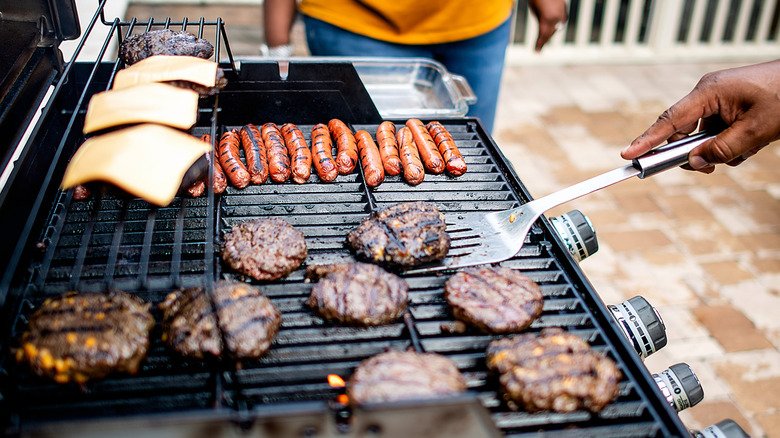
Are you tired of your gas grill losing heat just when your food needs it the most? Keeping your grill hot is key to cooking perfect meals every time.
Whether you’re searing steaks, grilling veggies, or warming buns, maintaining that steady heat makes all the difference. You’ll discover simple, practical tips that anyone can use to keep your gas grill blazing hot from start to finish. Ready to master your grill and impress your guests?
Let’s dive in and turn your next cookout into a sizzling success!
Credit: www.grillersspot.com
Choosing The Right Grill Setup
Keeping your gas grill hot is important for good cooking. The right grill setup helps maintain steady heat.
Choosing parts that work well together creates an even cooking surface. This guide explains key parts to focus on.
Selecting Quality Burners
Burners control the heat in your grill. Choose burners made from strong materials like stainless steel.
Good burners last longer and heat more evenly. This helps keep the grill hot without cold spots.
- Look for burners with even flame distribution
- Stainless steel resists rust and lasts longer
- High BTU burners provide more heat quickly
Using Heat Deflectors
Heat deflectors sit above burners to spread heat evenly. They protect food from direct flames.
These parts keep heat steady across the grill surface. They also catch drippings to reduce flare-ups.
- Choose deflectors made of thick metal
- Keep deflectors clean for best heat flow
- Replace damaged deflectors to avoid hot spots
Positioning Grill Grates
Grill grates hold the food and affect heat exposure. Position them to keep heat close to your food.
Adjust grates so they are not too high. Lower grates help keep the temperature strong for cooking.
- Place grates 4 to 6 inches above burners
- Use heavy-duty grates to retain heat
- Clean grates regularly to avoid heat loss

Credit: phvfd227.com
Mastering Temperature Control
Keeping a gas grill hot is key to cooking food properly. Good temperature control helps you avoid undercooked or burnt meals.
Learn how to adjust your gas grill settings for steady heat. Use simple methods to keep your grill at the right temperature.
Adjusting Gas Flow
Control the gas flow to change the heat level of your grill. Turning the knob more opens the gas valve wider, giving higher heat.
- Turn the burner knob slowly to increase or decrease heat.
- Watch the flame size to avoid too high or low flames.
- Adjust each burner separately if your grill has more than one.
Managing Air Vents
Air vents control how much oxygen reaches the flame. More oxygen means a hotter fire.
| Vent Setting | Effect on Temperature |
| Fully Open | Maximum heat and fast cooking |
| Half Open | Moderate heat for slow cooking |
| Closed | Low heat or grill cool down |
Utilizing Multiple Burners
Using more than one burner helps spread heat evenly. It also lets you create different heat zones.
- Turn on all burners for full high heat.
- Use only one burner for low heat cooking.
- Set burners on different levels for indirect grilling.
- Move food around to control cooking speed.
Fuel Management Tips
Keeping your gas grill hot requires smart fuel management. Managing fuel helps maintain steady heat and extends cooking time.
Use these tips to manage propane and natural gas for better grilling results.
Keeping Propane Tanks Full
Check your propane tanks before grilling to avoid running out of fuel. Keep a spare tank ready for longer cooking sessions.
Store tanks in a cool, shaded area to prevent pressure loss and ensure safety.
- Inspect tanks for leaks and damage regularly
- Refill tanks before they reach one-quarter full
- Keep a backup tank nearby for quick replacement
- Store tanks away from direct sunlight and heat
Using Liquid Propane Efficiently
Control the grill’s flame to use propane wisely. Avoid turning the heat too high when cooking delicate foods.
Turn off the burners immediately after grilling to save fuel and keep the tank pressure steady.
- Use medium heat for longer cooking times
- Close the lid to keep heat inside
- Turn off burners when not in use
- Clean burners regularly to maintain efficient flame
Switching To Natural Gas Options
Natural gas grills connect directly to your home’s gas line. This option offers constant fuel without refilling tanks.
Natural gas grills provide steady heat and reduce interruptions during cooking.
- Check if natural gas is available in your area
- Hire a professional for safe gas line installation
- Natural gas is usually cheaper than propane over time
- Regularly inspect connections for leaks and damage

Credit: www.wired.com
Maintaining Heat During Cooking
Keeping your gas grill hot during cooking is important for even food results. Good heat control saves fuel and time.
Simple habits and tools help keep the grill temperature steady. This guide covers key tips to maintain heat well.
Avoiding Frequent Lid Opening
Opening the grill lid often lets heat escape quickly. This causes the temperature to drop and food to cook unevenly.
Try to check food only when needed. Use the grill light or window to see inside without opening the lid.
- Keep lid closed as much as possible
- Plan cooking steps before grilling
- Use a timer to avoid unnecessary checks
Preheating Techniques
Preheating your gas grill warms the cooking surface and burners. This helps reach the right temperature faster.
Turn on all burners and close the lid for 10 to 15 minutes. This creates a hot environment for cooking.
- Open the lid before lighting the grill
- Turn burners to high heat for preheating
- Wait 10-15 minutes with lid closed
- Adjust heat to cooking level after preheating
Using Heat Retention Accessories
Accessories help keep heat inside the grill longer. They reduce heat loss and improve cooking efficiency.
Use tools like grill mats, heat deflectors, or ceramic briquettes. These items keep warmth close to the food.
- Grill mats protect and hold heat on grill grates
- Heat deflectors spread heat evenly
- Ceramic briquettes absorb and release heat slowly
Cleaning And Maintenance For Consistent Heat
Keeping your gas grill hot and ready needs regular cleaning and care. Dirt and grease can block heat and cause uneven cooking.
Proper maintenance helps your grill work well for years. It keeps the heat steady and saves you money on repairs.
Removing Grease Build-up
Grease build-up blocks heat and creates flare-ups. Clean the grill surface and drip trays often to avoid this problem.
Use a grill brush or scraper after each use. Remove any leftover food or grease to keep the grill clean.
- Turn off the grill and let it cool before cleaning.
- Scrape the grates with a wire brush or scraper.
- Empty and clean grease trays regularly.
- Wipe down all surfaces with warm, soapy water.
Inspecting Burners Regularly
Burners control the heat flow in your grill. Check them for clogs or rust to keep heat even.
Look for holes or cracks that can cause gas leaks. Clean burner holes with a soft brush or a pipe cleaner.
- Remove the burners from the grill carefully.
- Check for blockages in burner holes.
- Clean burner surfaces with a soft brush.
- Replace burners if they are rusty or damaged.
Replacing Worn Parts
Old parts like burners, valves, or hoses affect grill heat. Replace them to keep your grill working well.
Check parts for wear and tear every season. Use parts made for your grill model for safety and fit.
- Inspect parts for cracks, rust, or damage.
- Order replacement parts from trusted sources.
- Follow the manual to install new parts safely.
- Test the grill after replacement to ensure proper heat.
Advanced Tips For Heat Retention
Keeping your gas grill hot is important for cooking food evenly. You can use special tools and techniques to hold the heat longer.
These tips help you save fuel and cook better by keeping the grill hot for a longer time.
Using Cast Iron Tools
Cast iron tools like grates and pans hold heat well. They help keep the cooking surface hot and even.
Cast iron absorbs heat and releases it slowly. This keeps your grill temperature steady.
- Preheat cast iron tools before cooking
- Use cast iron grates instead of steel ones
- Keep cast iron clean and seasoned for best heat
Incorporating Heat Shields
Heat shields block wind and trap heat inside the grill. They stop heat from escaping through gaps.
Adding heat shields under or around burners keeps the heat focused on the food.
- Place shields below burners to protect flames
- Use metal or ceramic shields for better heat retention
- Check shields for damage and replace if needed
Adding Ceramic Briquettes
Ceramic briquettes spread heat evenly across the grill. They hold heat longer than metal parts.
These briquettes absorb heat and radiate it back to your food. This improves cooking results.
- Lay briquettes over burners for better heat distribution
- Clean briquettes regularly to avoid buildup
- Replace cracked or damaged briquettes promptly
Frequently Asked Questions
How Do I Maintain Consistent Heat On A Gas Grill?
To keep consistent heat, preheat your grill for 10-15 minutes. Adjust burners to medium-high and avoid frequent lid opening. Use the grill’s built-in thermometer to monitor temperature and adjust gas flow accordingly for steady heat.
What Is The Best Gas Grill Temperature For Cooking?
For most grilling, maintain your gas grill between 350°F and 450°F. This range ensures even cooking without burning. Use a grill thermometer to check and adjust burners to keep the temperature steady.
How Can I Prevent Heat Loss When Grilling?
Keep the grill lid closed as much as possible. Opening the lid releases heat and lowers temperature. Also, check for gas leaks and ensure burner tubes are clean for efficient heat retention.
Does Using A Grill Cover Help Keep The Grill Hot?
Yes, a grill cover traps heat and protects from wind. Using a cover during cooking keeps temperature steady and saves fuel. Always use a heat-resistant cover designed for gas grills.
Conclusion
Keeping your gas grill hot is easier than you think. Control the flame and adjust the vents well. Clean your grill regularly to keep heat steady. Use the right tools to manage temperature quickly. Practice makes perfect, so keep trying these tips.
Enjoy cooking delicious meals with steady heat every time. Your grill will perform better and last longer. Simple steps lead to great grilling results. Stay safe and have fun outdoors!