
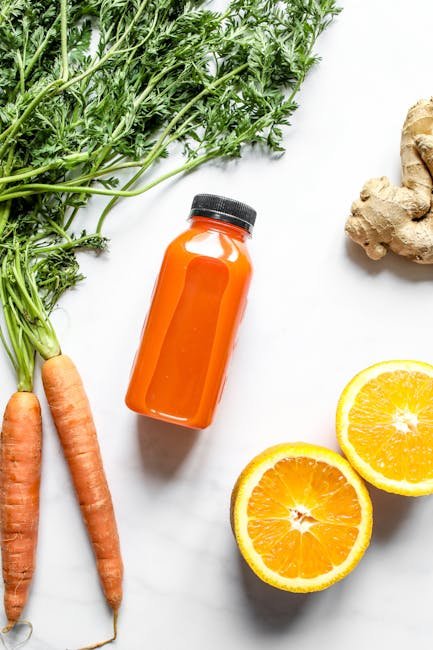
Are you looking to get the most out of your fruits and vegetables every time you juice? Efficient juicing isn’t just about tossing ingredients into a machine—it’s about unlocking the maximum flavor, nutrients, and benefits with less effort and waste.
Imagine enjoying fresh, vibrant juices that boost your energy and health, all made quickly and easily in your own kitchen. In this guide, you’ll discover simple tips and tricks to make your juicing process smoother, faster, and more rewarding. Ready to transform your juicing routine?
Keep reading and take your juice game to the next level!

Credit: www.amazon.ca
Choosing The Right Produce
Choosing the right produce is key for fresh and tasty juice. Fruitswith high water content work best. Apples, oranges, and pineapples give plenty of juice and a sweet taste. Citrus fruits add a nice zing and vitamin C boost. Berries are great too but less juicy.
Vegetableswith mild flavors blend well with fruits. Carrots and cucumbers are popular for their high juice yield and gentle taste. Leafy greens like spinach and kale offer nutrients but less juice. Celery is excellent for hydration and adds freshness.
Combining fruits and vegetables balances sweetness and earthiness. A mix of apple and carrot is classic and tasty. Spinach with pineapple makes a nutrient-rich green juice. Experiment with flavors to find your favorite blend. Fresh, ripe produce always gives the best results.
Selecting A Juicer
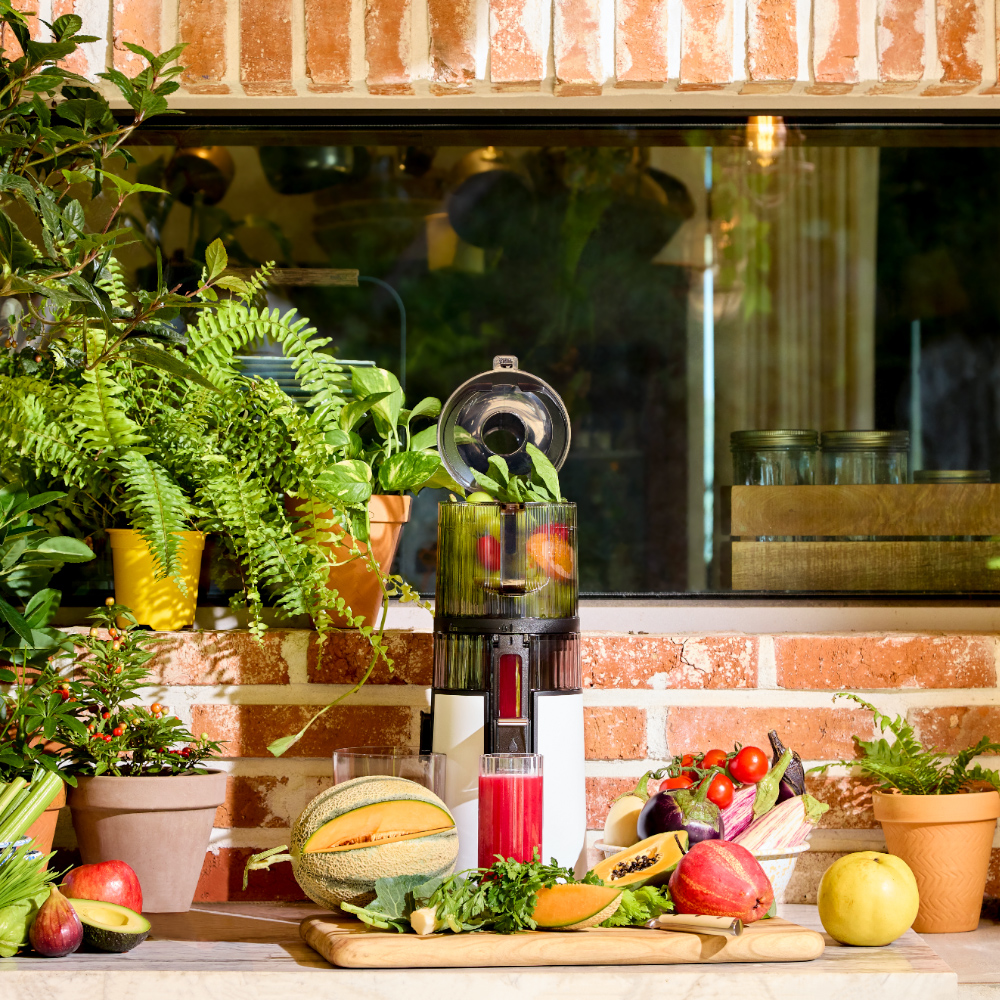
Centrifugal juicers are fast and easy to use. They are great for beginners. These juicers have sharp blades that spin very fast. This helps to cut fruits and vegetables quickly. The juice comes out through a spout. The pulp stays inside. They are usually cheaper than other types. But they can be a bit noisy. They work best with hard fruits like apples and carrots.
Masticating juicers are also called slow juicers. They grind fruits and vegetables slowly. This helps keep more nutrients in the juice. The juice is thicker and richer. These juicers are quieter than centrifugal ones. They are good for leafy greens like spinach. Masticating juicers can be more expensive. But they are worth it for healthier juice.
Triturating juicers have two gears. They crush and press fruits slowly. This makes them very efficient. The juice is full of nutrients and enzymes. They are perfect for making nut milk and sorbets too. These juicers are usually the most expensive. But they are very strong and last long. They are ideal for serious juicers.
Preparing Produce For Juicing
Start by rinsing fruits and vegetablesunder cold water. This removes dirt and germs. Use a brush for firm produce like potatoes or carrots. Washing well is key to safe juice.
Next, peel thick-skinned items such as oranges, pineapples, and melons. Peeling helps avoid bitter flavors from skins. Cut large fruits and veggies into smaller pieces. This makes juicing easier and faster.
Remove seeds and pits from fruits like peaches, cherries, and apples. Seeds can taste bitter and damage your juicer. Pits might harm the blades. Removing them keeps juice smooth and tasty.
Credit: azko.id
Juicing Techniques
Slow juicinguses a gentle press to extract juice. It keeps more nutrients and gives clear juice. Fast juicinguses high speed blades to chop fruits and veggies. It works quickly but may heat juice, losing some nutrients.
For layering ingredients, put soft fruits like oranges or berries first. Then add leafy greens or hard veggies like carrots. This helps the juicer work smoothly and get more juice.
| Tip | Benefit |
|---|---|
| Chop ingredients into small pieces | Makes juicing easier and faster |
| Use a slow juicer for leafy greens | Extracts more juice and nutrients |
| Alternate soft and hard items | Prevents clogging and improves juice flow |
| Press pulp after juicing | Gets extra juice, reduces waste |
Storing Fresh Juice
Glass jarswith airtight lids keep juice fresh longer. Plastic containers can absorb smells and colors. Stainless steel bottles also work well but avoid metal lids that can rust.
Store juice in the coldest partof the fridge, usually at the back. Keep containers sealed tightly to stop air from spoiling the juice. Avoid leaving juice out at room temperature for more than two hours.
| Storage Method | Recommended Shelf Life |
|---|---|
| Fresh juice in glass jars, refrigerated | 24 to 48 hours |
| Fresh juice in plastic containers, refrigerated | 12 to 24 hours |
| Fresh juice left at room temperature | Less than 2 hours |
Health Benefits Of Juicing
Juicinghelps keep most of the vitamins and minerals in fruits and vegetables. It makes it easier for the body to absorb these nutrients quickly. Fresh juice contains antioxidants that protect cells from damage.
It supports the body’s natural detox process. Juices flush out harmful toxins and waste. This can lead to feeling lighter and more energetic.
Drinking fresh juice can help strengthen the immune system. The high vitamin C and other nutrients fight off colds and infections. Regular juicing may keep you healthier and more active.
Common Juicing Mistakes
Overusing certain ingredientscan make juice taste bitter or too strong. Balance the flavors by mixing different fruits and vegetables. Using too much of one item can hide other flavors.
Ignoring fiberremoves important nutrients. Fiber helps digestion and keeps you full. Juicing often removes fiber, so consider adding some pulp back in or eating whole fruits sometimes.
Not cleaning equipment properlycan cause bacteria build-up. Clean all parts of the juicer right after use. This keeps the machine working well and the juice safe to drink.
Enhancing Juice Flavors
Herbs and spicescan make juice taste fresh and exciting. Mint, basil, or ginger add unique flavors. A pinch of cinnamon or nutmeg brings warmth and depth. Experiment to find your favorite mix.
Balancing sweet and bittertastes is key. Use sweeter fruits like apples or carrots to soften bitter greens. Bitter flavors add a healthy punch but need a touch of sweetness.
Citrus fruitslike lemons, limes, or oranges add zest and brightness. A splash of citrus juice lifts dull flavors. It also helps preserve the juice’s fresh taste for longer.
Cleaning And Maintenance
Cleaning your juicer right after use keeps it working well. Rinse all parts with warm water to remove leftover pulp. Use a soft brush to clean small holes and blades carefully. Dry parts before storing to avoid mold.
For deep cleaning, soak removable parts in warm soapy water. Use a toothbrush to scrub hard-to-reach areas. Wipe the motor base with a damp cloth only. Avoid using harsh chemicals to protect the machine.
| Tip | Benefit |
|---|---|
| Clean juicer daily | Prevents clogging and keeps juice fresh |
| Deep clean weekly | Removes buildup and extends machine life |
| Store dry parts | Stops mold and bad smells |
| Handle blades with care | Avoids damage and keeps safety |

Credit: food52.com
Frequently Asked Questions
What Are The Best Fruits And Vegetables For Juicing?
Choose water-rich produce like cucumbers, celery, and watermelon. Leafy greens such as spinach and kale are nutrient-dense. Apples and carrots add sweetness and fiber. These options yield fresh, flavorful juice with high nutritional value and efficiency.
How Can I Clean My Juicer Quickly And Effectively?
Rinse your juicer immediately after use to prevent residue buildup. Use warm, soapy water and a brush to clean parts thoroughly. Regular cleaning ensures hygiene, maintains performance, and extends your juicer’s lifespan.
Should I Peel Fruits And Vegetables Before Juicing?
Peeling depends on the produce. Thin-skinned fruits like apples and cucumbers can be juiced unpeeled. Thick-skinned or waxed items like oranges and pineapples should be peeled. Always wash thoroughly to remove dirt and pesticides before juicing.
How To Store Fresh Juice To Maintain Nutrients?
Store juice in airtight glass containers. Keep them refrigerated and consume within 24-48 hours. Limit exposure to air and light to preserve vitamins and antioxidants. Fresh juice tastes best and retains nutrients when consumed quickly.
Conclusion
Juicing fruits and vegetables can be quick and simple. Choose fresh produce for the best taste and nutrition. Clean your juicer right after use to save time. Cut fruits and veggies into small pieces before juicing. Drink your juice soon to enjoy its freshness.
Try different combinations to find flavors you like. Juicing helps you get more vitamins every day. Keep practicing to juice faster and cleaner. Enjoy healthy drinks that boost your energy and mood. Simple steps make juicing easy and fun.