
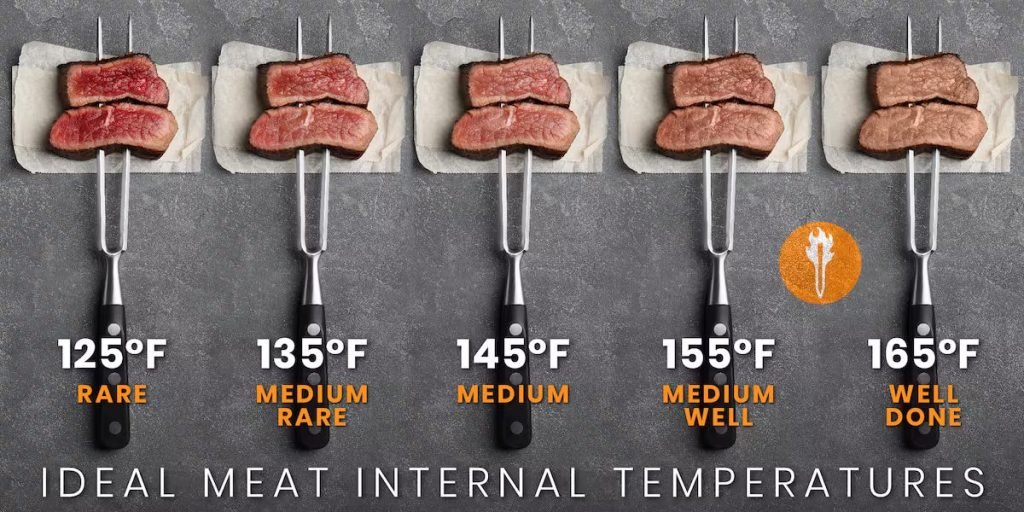
If you want to cook the perfect medium rare steak every time, knowing how to insert a probe correctly is key. It’s not just about sticking a thermometer in the meat — it’s about getting the best flavor, juiciness, and texture.
You’ll learn the simple steps to insert your probe like a pro, so you never have to guess if your steak is done. Ready to impress yourself and your guests with steak that’s cooked just right? Keep reading to master this essential skill.
Choosing The Right Probe
Choosing the right probe is key to cooking a perfect medium rare steak. There are different types of meat probesavailable. Some probes are simple and wired, while others are wireless and offer more freedom.
| Type | Description |
|---|---|
| Wired Probe | Connects directly to the cooking device or thermometer. Reliable and usually less expensive. |
| Wireless Probe | Connects via Bluetooth or Wi-Fi. Allows remote monitoring on your phone or device. |
Important features to look for include accuracy, ease of use, and durability. Probes with fast response times help avoid overcooking. A clear display or app can make checking temperatures simple. Some probes also have alarms that notify when the steak reaches the desired temperature.
Preparing The Steak
Choosing the right steak cutmatters for a perfect medium rare. Ribeye, sirloin, or filet mignon are great choices. They cook evenly and stay juicy.
Season steaksimply. Use salt and pepper for best taste. Sprinkle on both sides and press gently to help seasoning stick.
Bring steak to room temperaturebefore cooking. Take it out of the fridge 20-30 minutes earlier. This helps cook the steak evenly inside and out.
Inserting The Probe
The best spotto insert the probe is the thickest partof the steak. This area cooks more evenly and gives the most accurate temperature. Avoid edges since they heat faster and give false readings.
Insert the probe to about half the steak’s thickness. This depth shows the true temperature inside without touching the pan or grill. Too shallow gives surface heat; too deep may hit the pan.
- Do not push probe into bone. Bones heat differently and mislead readings.
- Avoid fat pockets. Fat heats unevenly and changes temperature results.
- Place probe in lean meatfor consistent results.
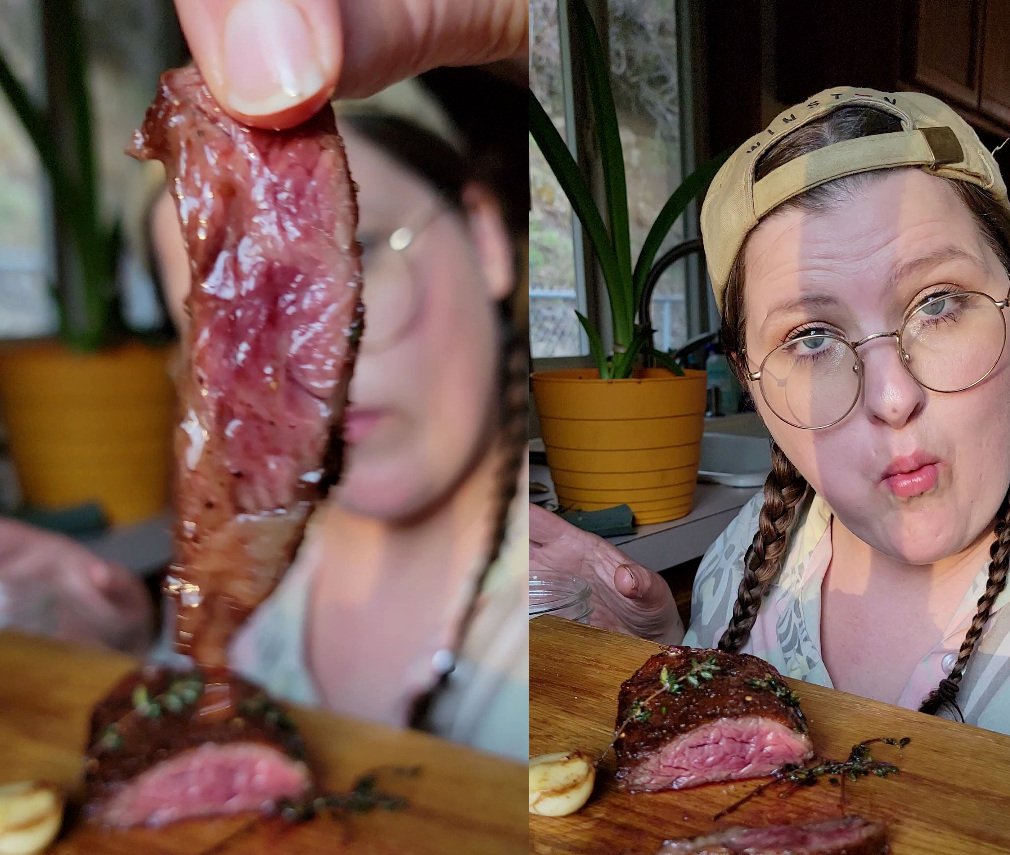
Credit: widnorfarmsblog.com
Monitoring The Temperature
For a medium raresteak, the target temperatureis usually 130°F to 135°F (54°C to 57°C). Insert the probe into the thickest part of the steak without touching bone or fat.
Use alerts and timerson your thermometer to notify you when the steak reaches the right temperature. This helps avoid overcooking or undercooking.
Adjust the cooking method based on the probe’s reading. If the temperature is low, continue grilling or searing. If close to the target, reduce heat or remove the steak to rest. Resting allows juices to redistribute, making the steak juicier.
Post-cooking Steps
Insert the probe into the thickest part of the steak, avoiding bones or fat. Ensure it reaches the center for an accurate medium-rare reading. Let the steak rest briefly after checking the temperature.
Resting The Steak
Rest the steak for about 5 to 10 minutes after cooking. This helps the juices spread evenly inside. Cutting it too soon can cause the juices to run out. Keep the steak covered loosely with foil to keep it warm.
Final Temperature Check
Insert the probe into the thickest part of the steak. For medium rare, the temperature should be around 130°F to 135°F (54°C to 57°C). Make sure the probe is not touching bone or fat for an accurate reading.
Serving Suggestions
- Slice the steak against the grain for tenderness.
- Serve with simple sides like salad or roasted vegetables.
- Add a small pat of butter or a squeeze of lemon for extra flavor.

Credit: butcherbbq.com
Common Mistakes To Avoid
Incorrect probe placement can lead to wrong temperature readings. Insert the probe into the thickest part of the steak, avoiding fat or bone. Placing it too close to the edge can cause undercooking or overcooking.
Overcooking risks increase if the probe stays in too long. A medium-rare steak should reach about 130°F to 135°F. Pull the steak out just before this temperature, as it will continue to cook while resting.
Ignoring resting time causes juices to spill out when cutting. Rest the steak for 5 to 10 minutesafter cooking. This helps the meat stay juicy and tender.
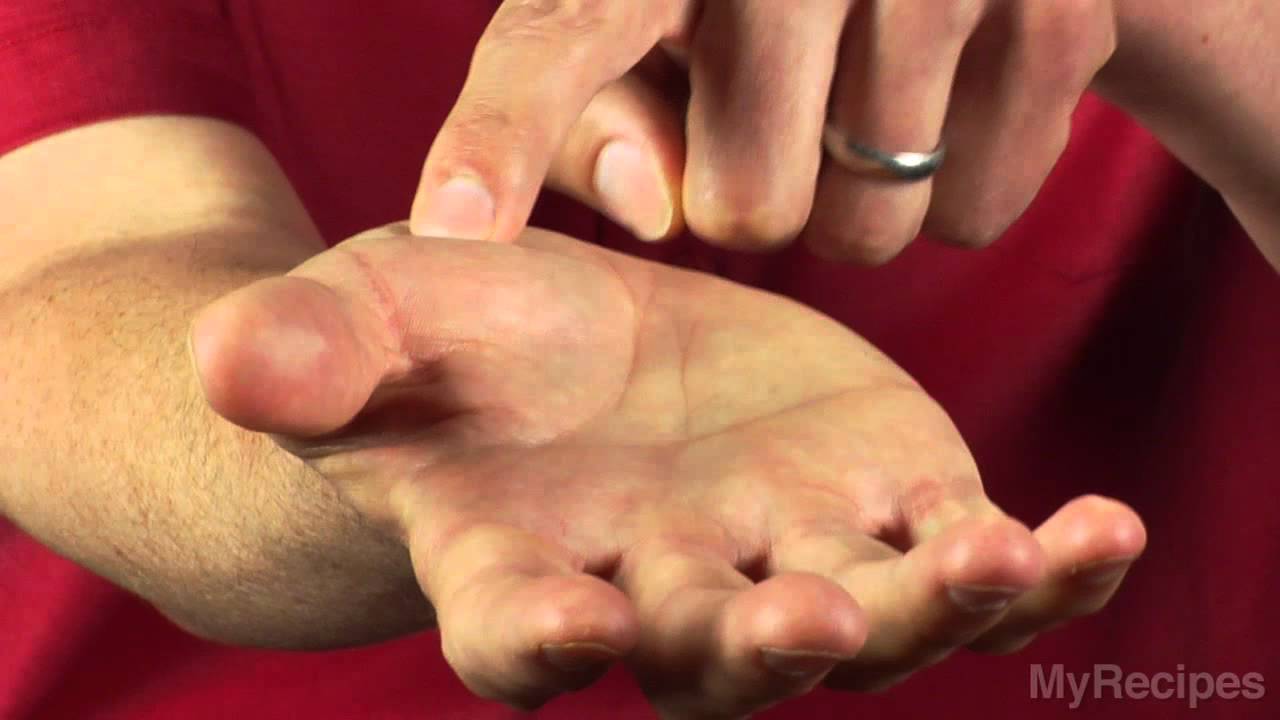
Credit: www.youtube.com
Frequently Asked Questions
How Do I Insert A Probe Into Steak For Medium Rare?
Insert the probe into the thickest part of the steak without touching bone or fat. This ensures accurate temperature reading for perfect medium rare doneness.
What Is The Ideal Probe Temperature For Medium Rare Steak?
Set the probe to 130°F to 135°F for medium rare steak. This temperature range guarantees a juicy, tender, and flavorful result.
Can I Insert The Probe Before Cooking The Steak?
Yes, insert the probe before cooking to monitor internal temperature continuously. This prevents overcooking and helps achieve consistent medium rare results.
How Deep Should I Insert The Steak Probe?
Insert the probe at least halfway through the steak’s thickness. This captures the steak’s true internal temperature for precise cooking.
Conclusion
Mastering the probe technique ensures perfect medium-rare steak every time. Proper insertion gives accurate internal temperature readings. Always aim for the center for precise results. Practice makes perfect, so don’t rush the process. A little patience goes a long way.
Check your thermometer regularly for accuracy. Enjoy cooking and savor the deliciousness of your perfectly cooked steak. Remember, the right tools and techniques make all the difference. Happy grilling!