

Imagine savoring a perfectly cooked steak, its flavors elevated by a rich, aromatic wine infusion. Your taste buds dance as the juicy, tender meat melts in your mouth, leaving you craving more.
This isn’t just a culinary dream; it’s a reality you can create in your own kitchen. If you’ve ever wondered how to inject wine into steak to achieve such mouthwatering results, you’re in the right place. This technique not only enhances the taste but also adds a touch of sophistication to your meals.
Ready to transform your steak-cooking game? Let’s dive into the art of infusing wine into steak and discover how you can impress yourself and your guests with this simple, yet transformative, method.
Benefits Of Injecting Wine
Injecting wine into steak helps to boost flavor depth. The wine seeps inside the meat, making each bite more tasty and rich. It brings a subtle, fruity notethat regular seasoning can’t match.
It also works as a tenderizer. The acid in the wine breaks down tough meat fibers, making the steak softer and easier to chew. This means juicier, more tender steakevery time.
Adding wine injects extra moistureinto the steak. This stops the meat from drying out during cooking. As a result, the steak stays moist and flavorfulinside.
Choosing The Right Wine
Red wineis usually best for steak. It adds deep, rich flavors. White wine can work but is lighter and less bold. Choose red if you want a strong taste.
Pick wine that tastes good on its own. Cheap wine can spoil the flavor. Use wine you enjoy drinking. It will make your steak better.
Avoid wines with strong smells like too much oak or sweetness. These can cover the meat’s taste. Look for balanced flavors that match the steak.
| Wine Type | Flavor Profile | Best Use |
|---|---|---|
| Red Wine | Rich, bold, deep | Perfect for marinating and injecting steak |
| White Wine | Light, crisp, mild | Good for lighter meats, less common for steak |
Selecting The Perfect Steak
The best steak cuts for injecting wine are thick and tender. Choose cuts like ribeye, sirloin,or filet mignon. These cuts hold the wine well and stay juicy.
Steak thickness matters a lot. Aim for steaks about 1 to 2 inches thick. Thicker steaks absorb wine better and keep flavor inside. Smaller steaks may dry out quickly.
Freshness is key. Select steaks that look bright red with firm texture. Avoid any steak that looks brown or slimy. Fresh meat absorbs wine flavors better and tastes best.
High-quality meat also affects taste. Look for steaks with good marbling. Fat inside the meat helps spread the wine flavor evenly.

Credit: shop.smithandwollensky.com
Preparing The Wine Injection
Choose a good meat injectorwith a sharp needle. It helps to inject wine deep into the steak easily. The injector should be easy to clean and hold enough liquid.
Mix wine with simple marinadeslike olive oil, garlic, and herbs. This mix adds more flavor and keeps the steak juicy. Avoid thick sauces that clog the needle.
Strain the wine and marinade mix to remove bits. Use a fine sieve or cheesecloth. Keep the liquid cold or room temperature. Warm liquids can affect meat texture and taste.
Injection Techniques
Inject wine deep into the steak for better flavor. Use a clean syringe or injector. Insert the needle into the thickest part of the meat. Push the wine slowly to avoid leaking.
Inject about 1 to 2 tablespoons of wine per pound. Too much wine can make the steak soggy. Small amounts help keep the meat juicy and tasty.
Use several injection points for even flavor. Space injections about 1 to 2 inches apart. Cover the whole steak by injecting near the edges and center.
Marinating After Injection
Marinating the steak after injecting wine lets flavors soak in deeply. The ideal marinating timeis usually 1 to 3 hours. Too little time won’t allow flavors to spread well. Too long can make the meat mushy.
Keep the steak in a sealed container or plastic bagwhile marinating. Store it in the refrigeratorto stay safe and fresh. This also helps the flavors mix better.
Some flavor enhancerswork great with wine injection:
- Garlic– adds a sharp, tasty kick
- Rosemary or thyme– gives a fresh, herby note
- Black pepper– adds a mild heat
- Butter– makes the steak juicy and rich
Cooking The Injected Steak
Cooking an injected steak keeps the flavor inside. It helps the wine soak deep into the meat. Grilling or pan-searing works best for these steaks. Both methods create a nice crustoutside while keeping the inside juicy.
| Cooking Method | Best Use | Notes |
|---|---|---|
| Grilling | Outdoor cooking | Gives smoky flavor and crisp surface |
| Pan-searing | Indoor cooking | Quick and easy; good crust formation |
Cook steak to the right temperaturefor best taste. Use a meat thermometer to check:
- Rare: 120-130°F (49-54°C)
- Medium-rare: 130-135°F (54-57°C)
- Medium: 135-145°F (57-63°C)
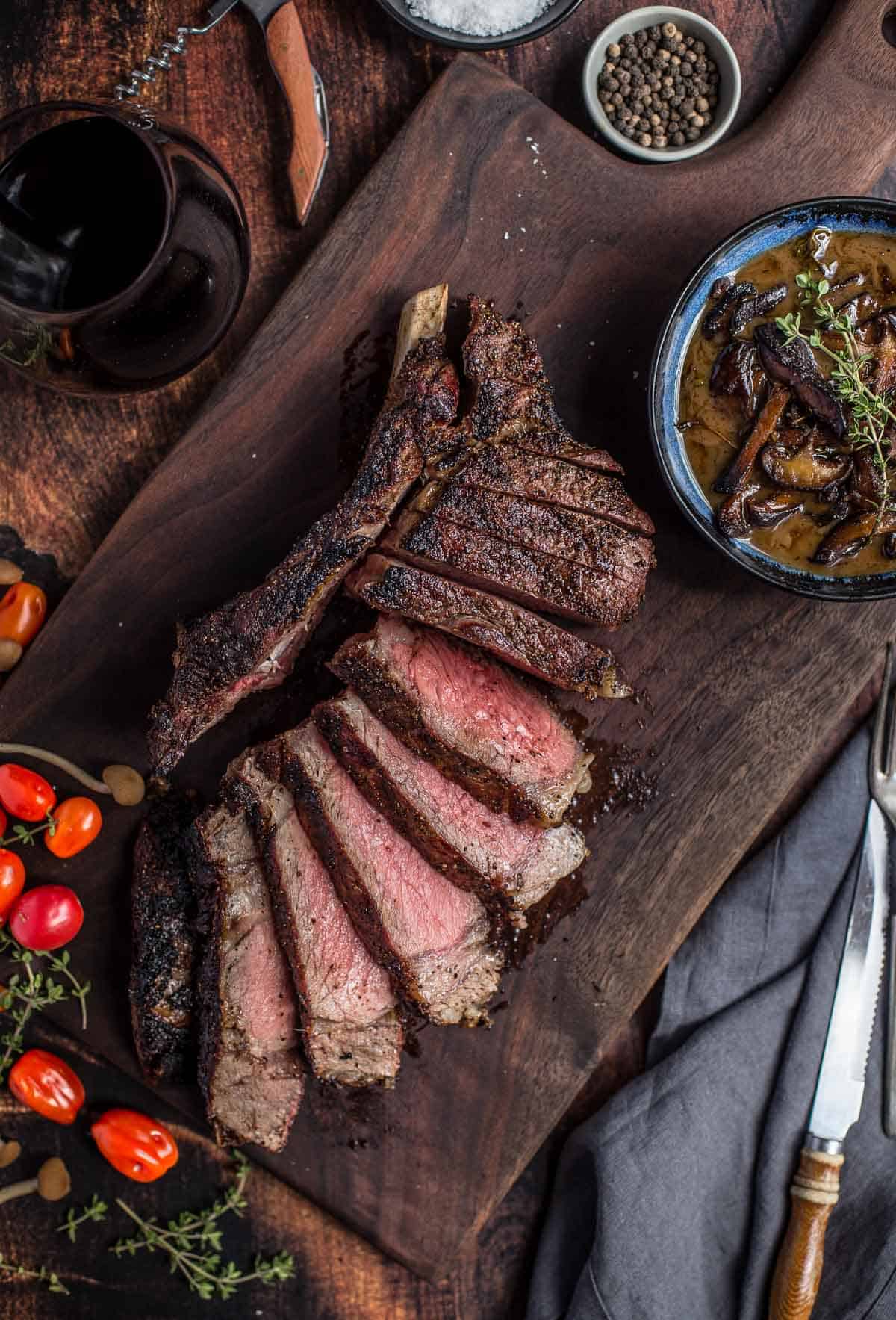
Rest the steak after cooking. Let it sit for 5-10 minutes. This helps juices spread evenly. Cutting too soon makes the steak dry.
Credit: www.vindulge.com
Troubleshooting Common Issues
Over-injectingwine can make steak soggy and hard to cook evenly. Use small amounts and inject slowly. Spread injections evenly across the meat.
Too much wine flavorcan hide the steak’s natural taste. Dilute wine with broth or water for a lighter taste. Let steak rest after injecting to absorb flavors.
Dry or tough steak often means overcooked meat or too much acid from wine. Cook steak at medium heat and avoid long marinating times. Use tender cuts of meat for better results.
Pairing Wine With Injected Steak
Red wineslike Cabernet Sauvignon and Merlot suit injected steaks well. These wines have bold flavors that match the rich taste of beef. For lighter injected steaks, Pinot Noiror Zinfandelwork nicely. White wines such as Chardonnay can also pair well if the injection has butter or garlic.
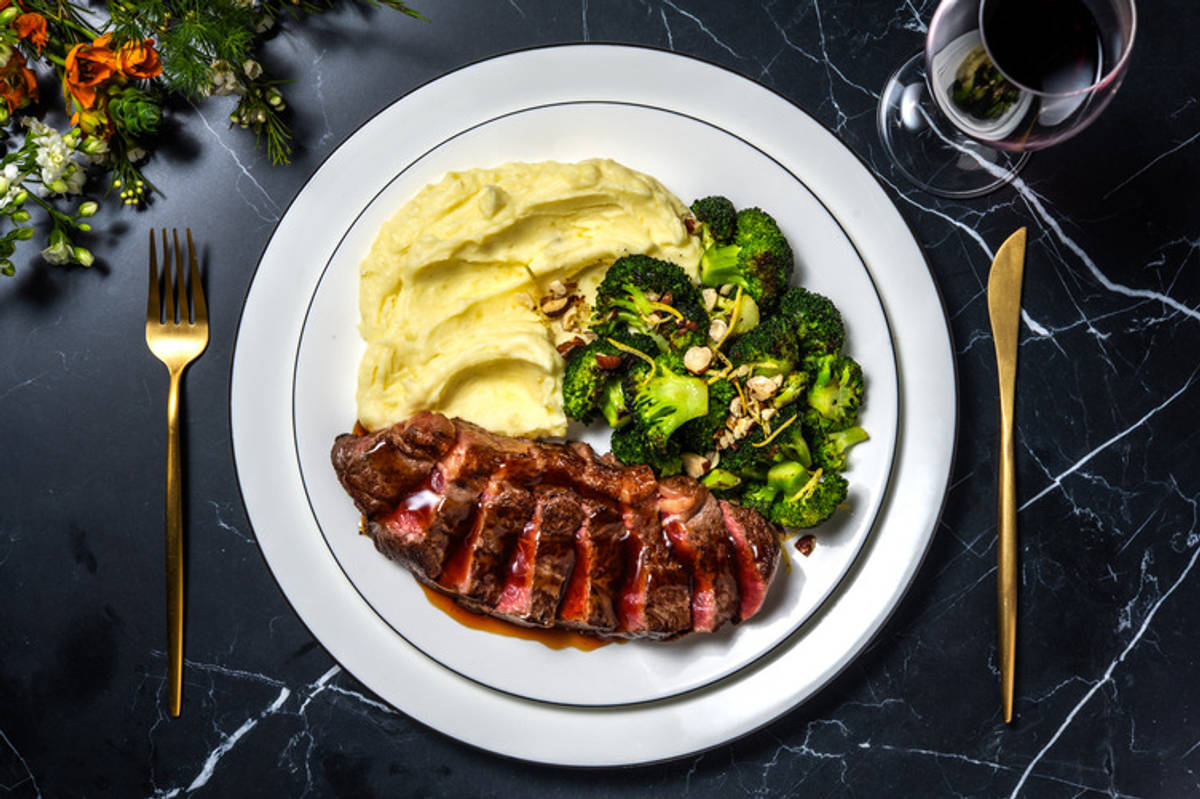
Side dishes can make a meal complete. Try roasted vegetables, garlic mashed potatoes, or a fresh green salad. These sides balance the strong flavors of the steak and wine.
Serve the steak hot and let it rest for a few minutes before cutting. Use simple plates to keep the focus on the food. Pour wine into wide glasses to help the flavors open up. Enjoy a relaxed meal with friends or family.
Credit: www.hellofresh.ie
Frequently Asked Questions
What Is The Benefit Of Injecting Wine Into Steak?
Injecting wine enhances steak flavor and tenderness. It adds moisture and a subtle wine aroma. This method infuses the meat deeply for a richer taste. It’s perfect for grilling or pan-searing steaks. Overall, it elevates your steak’s flavor profile effectively.
How Do You Inject Wine Into Steak Properly?
Use a meat injector syringe to inject wine. Insert the needle into the steak’s thickest part. Slowly inject wine evenly throughout the meat. Allow the steak to rest so flavors absorb well. Avoid over-injecting to prevent sogginess. This ensures balanced flavor and juiciness.
Which Wine Type Is Best For Injecting Steak?
Choose dry red wines like Cabernet Sauvignon or Merlot. These wines complement beef’s rich flavor without overpowering it. Avoid sweet or heavily oaked wines for injecting. The wine’s acidity helps tenderize the steak. Using the right wine enhances taste and texture.
Can Injecting Wine Replace Marinating Steak?
Injecting wine is quicker and penetrates deeper than marinating. It doesn’t replace marinating but complements it well. Marinating adds surface flavor; injecting adds internal moisture and taste. Combining both methods can maximize flavor and tenderness. Choose based on your preparation time and preference.
Conclusion
Injecting wine into steak adds flavor and keeps it juicy. Use a clean syringe and choose your wine carefully. Inject slowly and evenly for the best taste. Let the steak rest before cooking to absorb the wine. This simple step makes your steak more tender and tasty.
Try it at home and enjoy a richer meal. Cooking becomes more fun with small techniques like this. Keep practicing and discover what flavors you like best. Your next steak dinner can be special and delicious.