
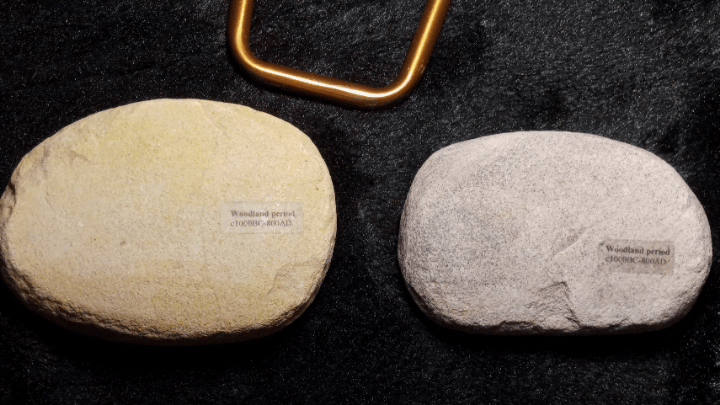
Have you ever come across a smooth, round stone and wondered if it might be a Native American grinding stone? These tools hold stories from the past, crafted and used by Native Americans for grinding seeds, grains, and other food.
Knowing how to identify one can connect you to history in a powerful way. You’ll learn simple and clear steps to recognize these unique stones. By the end, you’ll feel confident spotting a genuine Native American grinding stone and understanding its importance.
Keep reading to uncover the secrets hidden in these ancient tools.

Credit: www.youtube.com
Types Of Native American Grinding Stones
Native American grinding stones vary in shape and size based on their use. Identifying these stones involves examining wear patterns, material, and texture. Recognizing specific features helps distinguish authentic grinding tools from natural rocks.
Mano And Metate
Manois a small hand-held stone used to grind grains. The Metateis a larger flat stone with a shallow depression. The mano moves back and forth on the metate’s surface to crush seeds and nuts. These tools were common in daily food preparation.
Saddle Querns
Saddle querns are simple stones with a curved surface. A smaller stone is rubbed over the saddle to grind grains. They are shaped like a small trough or saddle. These stones often show wear marks from grinding.
Mortar And Pestle
The mortar is a bowl-shaped stone. The pestle is a heavy, rounded stone. Both stones work together to crush and grind food. Mortar and pestle are useful for grinding small amounts of spices or seeds.
Materials Used In Grinding Stones
Native American grinding stones are often made from hard rocksthat resist wear. Common types include sandstone, basalt, and granite. These rocks provide a rough surface needed to grind seeds and grains effectively.
The surface texture is usually coarse and roughbut may show signs of wear where grinding was frequent. Small pits or grooves appear from repeated use. The stone’s surface may feel uneven or gritty, helping to crush materials.
| Rock Type | Texture | Use |
|---|---|---|
| Sandstone | Coarse, gritty | Grinding grains and seeds |
| Basalt | Hard, rough | Crushing tough materials |
| Granite | Hard, uneven | Durable for heavy grinding |
Signs Of Authentic Use
Wear patternsshow where the stone was used most. Look for smooth, worn spots on the surface. These areas often have a polished look from grinding seeds or grains. Edges might be rounded from repeated use. Uneven wear can mean authentic use over a long time. Sharp edges usually mean the stone is new or unused.
Residue analysishelps find tiny bits left on the stone. These can be plant fibers, starch, or even bits of food. Residue often sticks in the cracks or rough parts of the stone. Using a simple microscope can reveal these clues. Genuine grinding stones have natural residues from old meals or plants.

Credit: www.reddit.com
Cultural And Regional Variations
Native American grinding stones show unique stylesfrom different tribes. Each tribe made tools that fit their needs and environment. Some stones are round and smooth, while others have rougher surfacesfor grinding seeds or grains.
Geography played a big role in the stone’s shape and size. Tribes near rivers used stones that worked well with wet materials. Those in dry areas had stones suited for harder seeds. The color and type of rock also changed based on what was nearby.
- Southwestern tribesoften used sandstone for their grinding stones.
- Plains tribespreferred granite or quartzite stones.
- Northwestern tribescrafted stones from basalt or other volcanic rocks.
Tools And Techniques For Identification
Native American grinding stones often show smooth, worn surfacesfrom repeated use. Look for rounded edgesand flat areaswhere grinding occurred. The stone may have visible groovesor striationscaused by grinding seeds or grains. The size is usually small to mediumand fits well in the hand.
Scientific tests can confirm the stone’s origin. Microscopic analysisreveals tiny scratches and residue. X-ray fluorescence (XRF)helps identify the stone’s material. Carbon datingcan estimate its age if organic residues are present. These tests show if the stone was used long ago by Native Americans.
Common Misconceptions
Many believe all grinding stones look alike, but Native American stones have unique shapes and wear patterns. Some think size alone matters, yet texture and material are key clues. These stones often show signs of use that differ from modern tools.
Distinguishing Natural Vs. Human-made Marks
Natural stonesoften have random scratches or cracks. Human-made markslook more uniform and smooth. Grinding stones show repeated wearin one area. Natural marks do not form neat patterns. Look for rounded edgesfrom use, not sharp breaks.
Color changesmay happen where the stone was ground. This is a sign of human activity. Natural stones usually keep the same color all over. Use a magnifying glass to check for small chipsfrom grinding.
Avoiding Modern Replicas
- Modern replicas often have perfect shapesand smooth surfaces.
- Look for tool marksmade by modern machinery, like straight lines.
- Old stones have uneven wearand rougher texture.
- Check if the stone feels heavyand natural. Replicas may feel lighter or artificial.
Credit: www.usmarble.com
Frequently Asked Questions
What Materials Are Native American Grinding Stones Made Of?
Native American grinding stones are typically made from hard, coarse-grained rocks like sandstone, granite, or basalt. These materials are durable and effective for grinding seeds, grains, and nuts. The rough texture helps in efficiently breaking down food particles for daily use.
How To Recognize Authentic Native American Grinding Stones?
Authentic Native American grinding stones often show signs of wear, such as smooth, concave surfaces from consistent grinding. They may have natural imperfections and hand-shaped edges. Look for patina and residue that indicate long-term use, distinguishing them from modern replicas or natural rocks.
What Are Common Shapes Of Grinding Stones?
Common shapes include flat, oval, or rectangular slabs called metates, paired with smaller handheld stones called manos. The metate usually has a shallow depression, while the mano is rounded for easy handling. These shapes facilitate efficient grinding with a back-and-forth motion.
Where Were Native American Grinding Stones Typically Used?
Grinding stones were mainly used in domestic settings for food preparation. They were common in villages, campsites, and near agricultural fields. These tools played a crucial role in daily life, helping process wild plants, seeds, and grains into edible forms.
Conclusion
Identifying a Native American grinding stone takes careful observation. Check the stone’s size, shape, and wear patterns. Look for smooth, worn areas showing repeated use. The material often comes from local rocks. These stones have historical and cultural value. Learning to spot them helps preserve Native heritage.
Keep practicing with real examples to improve your skill. Each stone tells a story of past daily life. Stay curious and respectful while exploring these artifacts.