

If you’re a coffee lover, knowing how to identify coffee beans from Kenya can transform your coffee experience. Kenyan beans are famous for their bright acidity and fruity flavors, but not all beans labeled “Kenyan” are the same.
What if you could easily spot the real deal every time? You’ll discover simple tips to recognize authentic Kenyan coffee beans by sight, smell, and taste. Unlocking this knowledge will help you choose better beans, brew richer coffee, and impress your friends with your expert palate.
Ready to become a Kenyan coffee connoisseur? Keep reading and learn how to pick the best beans for your perfect cup.
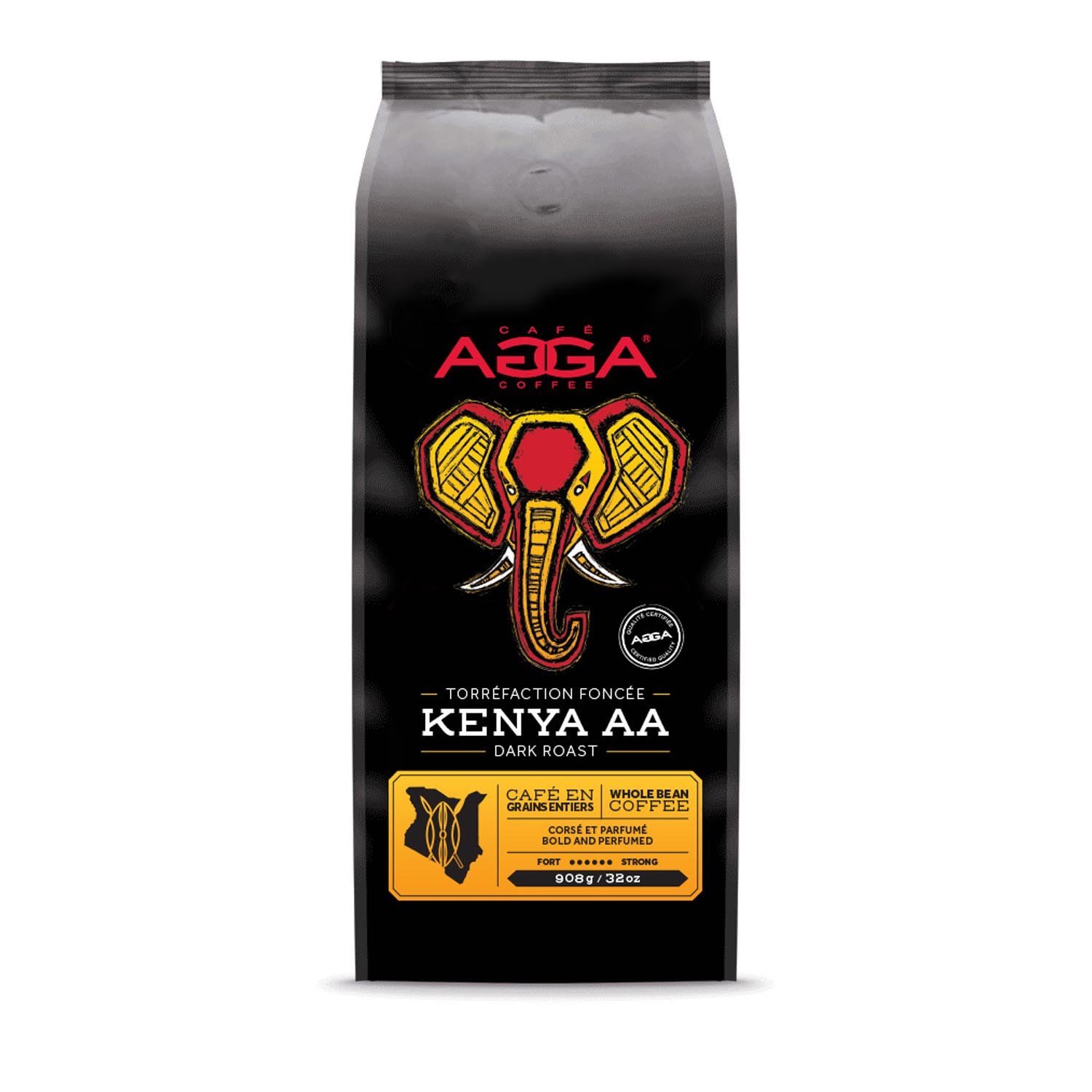
Credit: mayrand.ca
Kenyan Coffee Origins
Kenyan coffee beans often have a bright acidity and fruity aroma. Look for beans with a rich red color and a slightly oval shape. These traits help distinguish authentic Kenyan coffee from others.
Geography And Climate
Kenya’s coffee grows on high plateaus and slopes. The altitude ranges from 1,500 to 2,100 meters. This height helps beans develop a rich flavor. The climate is cool with plenty of rain. These conditions create slow coffee cherry ripening. This slow process makes the beans more flavorful and dense.
Famous Coffee Regions
| Region | Altitude (meters) | Flavor Notes |
|---|---|---|
| Nyeri | 1,500 – 2,100 | Bright acidity, fruity, wine-like |
| Kirinyaga | 1,600 – 2,000 | Sweet citrus, floral, full-bodied |
| Kiambu | 1,400 – 1,700 | Balanced, nutty, berry flavors |
| Murang’a | 1,500 – 2,000 | Bright, sweet, with hints of spice |
Visual Traits Of Kenyan Beans
Kenyan coffee beansare known for their distinct size and shape. They are generally large and roundcompared to beans from other regions. The beans have a slightly flat sidewith a noticeable crease. This shape helps in easy recognition.
Color plays a key role in identifying Kenyan beans. They usually have a bright green to dark greenhue when raw. Sometimes, a bluish tintappears due to the unique growing conditions. Roasted beans turn rich brownwith a hint of red.
Aroma And Flavor Profile
Kenyan coffee beanshave a distinct aromathat is fresh and bright. The common aromatic notesinclude hints of citrus fruits, like lemon and orange, along with a touch of blackcurrant. Some beans also show floral scents, such as jasmine or rose. This unique smell helps to identify the coffee’s origin quickly.
The taste characteristicsof Kenyan coffee beans are just as special. They often have a bright acidity, which feels lively on the tongue. The flavor is usually fruityand sweet, with notes of berries and sometimes tomato-like tartness. The aftertastecan be clean and crisp, leaving a fresh feeling.

Credit: www.helenacoffee.vn
Processing Methods
Wet processingwashes the coffee cherries right after picking. This method removes the outer fruit quickly. It helps keep the beans clean and bright. Beans processed this way often taste fruity and sharp. Wet processing uses a lot of water, so it is common in places with good water supply.
Dry processinglets the cherries dry in the sun before removing the fruit. This takes longer and needs space for drying. Beans processed this way have a heavier body and sweet taste. The process can add some earthy flavors too. It is popular in areas where water is limited.
Roast Level Indicators
Light roastskeep most original bean flavors. They have a lighter colorand a dry surface. The taste is fruity, floral, and acidic. Kenyan coffee beans often show these bright notes.
Dark roastsare shiny and oily. They have a deep brown to almost blackcolor. The flavor shifts to bitter, smoky, and chocolaty. The acidity lowers, and the body feels heavier.
| Roast Level | Color & Surface | Flavor Notes | Body & Acidity |
|---|---|---|---|
| Light Roast | Light brown, dry | Fruity, floral, acidic | Light body, high acidity |
| Dark Roast | Dark brown to black, oily | Bitter, smoky, chocolaty | Full body, low acidity |
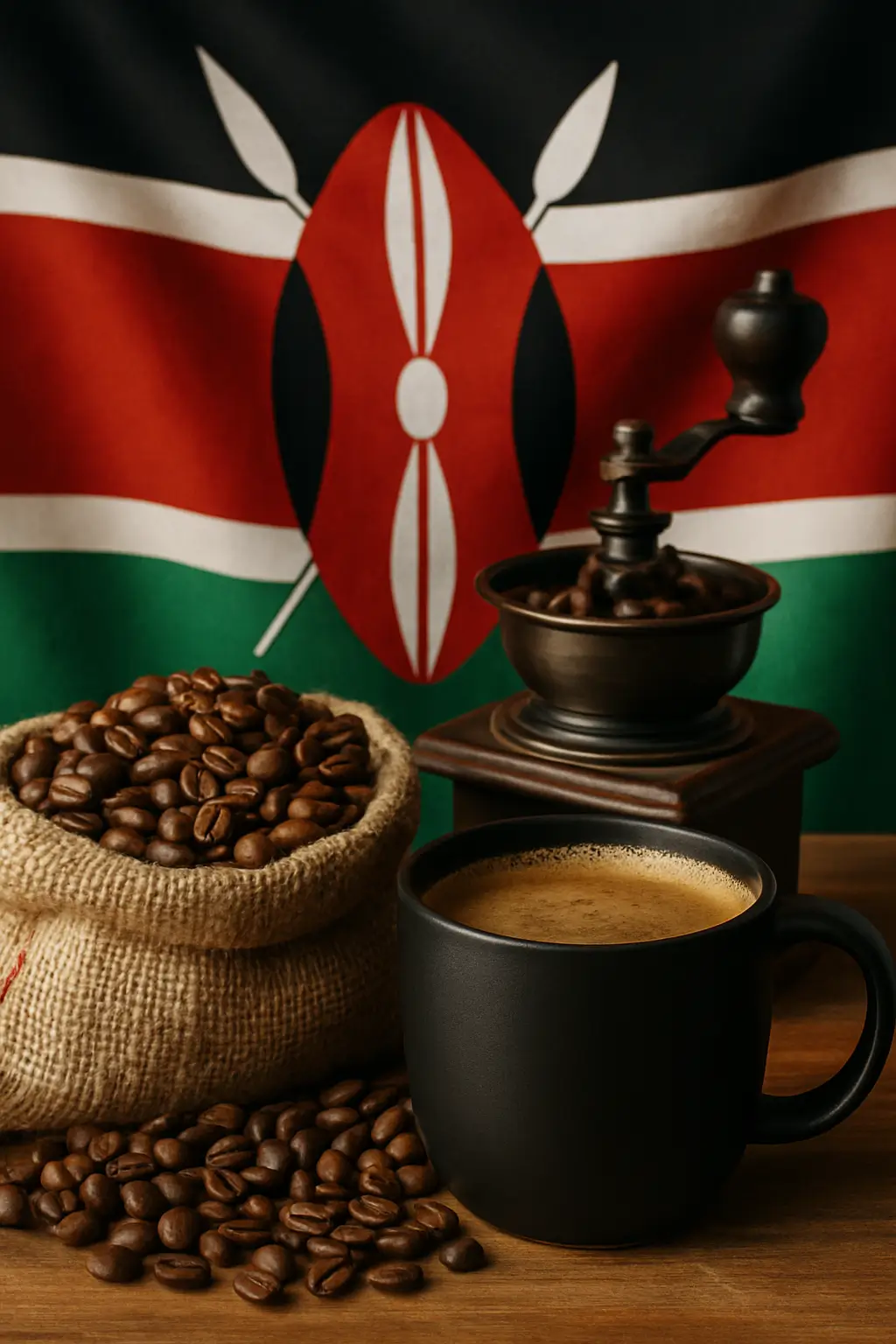
Credit: coffeefuze.com
Certifications And Labels
Certifications and labels help spot genuine Kenyan coffee beans. Look for marks like AA grade or Fair Trade to ensure quality and origin. These tags show the beans meet specific standards and support ethical farming.
Fair Trade And Organic Marks
Fair Trade marks mean farmers get fair prices. This helps small farmers. Organic marks show no harmful chemicals were used. These marks are important. They show the coffee is good and safe. Kenyan coffee often has these marks. Look for them on the package.
Kenya Coffee Grades
| Grade | Description |
|---|---|
| AA | Biggest beans, best quality |
| AB | Medium size, still good |
| PB | Peaberry beans, unique shape |
Kenya coffee grades show quality. AA is top grade. AB is also good. PB is special and rare. Check grades before buying. It helps pick the best coffee.
Expert Tools For Identification
Specialized tools like magnifying glasses and moisture meters help spot unique features of Kenyan coffee beans. These tools reveal size, shape, and texture differences that set them apart from other beans.
Using A Coffee Grinder
A coffee grinder reveals a lot about beans. Kenyan beans often have a fruity aroma. Their scent is strong and unique. Grinding releases these distinctive smells. Pay attention to the color and texture of the grounds. Kenyan beans usually produce a fine, consistent grind. This helps in recognizing them among others.Tasting Techniques
Taste is a powerful identification tool. Kenyan coffee often has a bright acidity. This means it tastes a bit like citrus fruits. It has a rich, full body too. Sip slowly and notice the flavors. Look for hints of berries or wine. These are common in Kenyan beans. Practice tasting to improve your skills. `Frequently Asked Questions
What Makes Kenyan Coffee Beans Unique?
Kenyan coffee beans are known for their bright acidity and fruity flavors. They often have berry and citrus notes. Their unique taste comes from high altitude growing regions and volcanic soil, producing high-quality Arabica beans with a distinctive profile.
How To Visually Identify Kenyan Coffee Beans?
Kenyan coffee beans are medium to dark brown with a slightly oily surface. They tend to be uniform in size and shape. Look for a clean, bright appearance with a visible crease. These visual cues help distinguish them from other coffee beans.
What Flavor Profile Do Kenyan Coffee Beans Have?
Kenyan coffee beans typically feature vibrant acidity with fruity and wine-like flavors. Common tasting notes include blackcurrant, berry, citrus, and floral hints. The beans often have a full body and a smooth, lingering finish, making them highly sought after by coffee enthusiasts.
Where Are Kenyan Coffee Beans Grown?
Kenyan coffee beans are grown mainly in the highlands around Mount Kenya. Regions like Nyeri, Kirinyaga, and Murang’a produce premium Arabica beans. The altitude, climate, and volcanic soil contribute to their unique flavor and quality.
Conclusion
Kenyan coffee beans have unique shapes and colors. Their bright acidity and fruity flavors stand out. Recognizing these beans helps you enjoy better coffee. Always check the size, shape, and aroma carefully. Practice makes it easier to spot Kenyan beans.
Enjoy the rich taste that these beans offer. Keep exploring different types to find your favorite. Coffee lovers will appreciate knowing these simple tips.