
Are you curious about what makes Ethiopian coffee beans so special? Imagine being able to spot these unique beans every time you shop or brew your coffee.
Knowing how to identify Ethiopian coffee beans can transform your coffee experience, giving you richer flavors and deeper satisfaction. You’ll discover simple tips and tricks to recognize these beans quickly. By the end, you’ll feel confident choosing the best Ethiopian coffee for your perfect cup.
Keep reading, and unlock the secret behind one of the world’s most celebrated coffees.
Ethiopian Coffee Regions
Sidamocoffee beans have a bright, fruity taste. They often carry floral notes and a light body. The beans grow at high altitudes, which helps develop their sweet flavor. Sidamo coffees are well-known for their balanced acidity and aroma.
Yirgacheffebeans are a type of Sidamo but with a distinct profile. They are famous for their clean, crisp flavor with hints of citrus and jasmine. Yirgacheffe coffee is light-bodied and often described as having a tea-like quality. Its unique taste comes from the wet processing method used.
Harrarcoffee beans come from eastern Ethiopia. They have a heavy body and a bold, wine-like flavor. These beans are often dry-processed, giving them a fruity and spicy taste. Harrar coffees are darker and have a rich, complex aroma.
Bean Characteristics
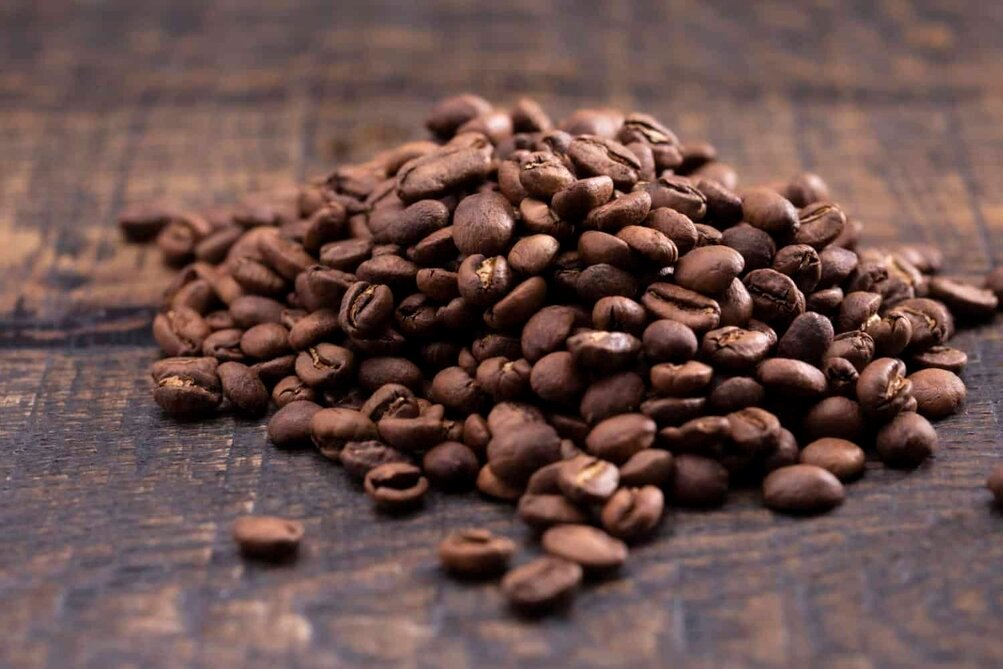
Ethiopian coffee beansare known for their unique size and shape. They tend to be medium to smalland have an oval shape. The beans are often slightly irregular, unlike uniform beans from other regions.
The color and textureof Ethiopian beans are quite distinct. They usually have a light to medium brownshade after roasting. The surface is smooth but not oily, showing a natural dryness.
These beans have rich aroma profiles. They often smell fruity and floral, with hints of jasmine, blueberry, or citrus. The aroma is fresh and bright, making Ethiopian coffee stand out.
Processing Methods
The Washed Processremoves the fruit from the beans before drying. It creates a clean and bright flavor. Beans are soaked in water and then dried in the sun.
The Natural Processdries the whole coffee cherry under the sun. This method gives the coffee a sweet and fruity taste. Beans absorb flavors from the fruit during drying.
The Honey Processremoves the skin but leaves some fruit on the beans. It creates a balanced flavorwith both sweetness and acidity. Beans are dried carefully to keep flavors intact.
Flavor Notes To Expect
Ethiopian coffee beans often have fruity and floralflavors. You might taste notes like berries, citrus, or jasmine. These flavors make the coffee bright and fresh.
The winey aciditygives the coffee a sharp, lively taste. It feels like a light tartness, similar to fruit juice. This acidity is part of what makes Ethiopian coffee special.
Spicy undertonesadd depth to the flavor. You can notice hints of cinnamon, clove, or even pepper. These spices give the coffee a warm and rich feeling.
Certifications And Labels
Organic coffee beans grow without harmful chemicals. These beans protect the environment. Fair Trade ensures farmers get a fair price. This helps support their families. Look for these labels on packages. They guarantee quality and fairness. Organic and Fair Trade marks mean better coffee for you.
Protected Geographical Indications show a coffee’s origin. Ethiopian beans have unique flavors. These flavors are special to the region. This label protects their identity. It ensures authenticity. Ethiopian coffee with this mark is genuine. It’s a taste of its homeland.
Direct Trade connects farmers with buyers. No middlemen involved. This builds strong relationships. Buyers know where beans come from. Farmers get better prices. Direct Trade marks ensure freshness. It means better quality coffee. Look for this label when buying.

Credit: www.mysticmonkcoffee.com
Common Packaging Features
The origin informationon Ethiopian coffee packaging often includes the specific region or farm name. This helps buyers know exactly where the beans come from, such as Sidamo or Yirgacheffe. The label usually mentions the country, Ethiopia, clearly.
The roast dateis important to check freshness. Coffee tastes best when brewed within weeks of roasting. Most packages show the roast date near the seal or barcode.
Farmer detailsmay be included to show transparency. This can be a name, cooperative group, or village. It connects the buyer with the people who grew the coffee. This is common in specialty Ethiopian coffee packaging.
Spotting Fake Or Mixed Beans
Authentic Ethiopian coffee beans are usually uniform in size and have a distinct fruity aroma. Mixed or fake beans often vary in color and lack the rich, natural scent typical of true Ethiopian beans. Checking these details helps ensure genuine quality.
Inconsistent Roasts
Real Ethiopian coffee beans have uniform roasts. If the beans look different, they might be mixed. Check the color and size. Real beans should match in these aspects. Consistency is key for quality.
Unusual Price Points
Very cheap coffee beans are suspicious. Good Ethiopian coffee is not too cheap. Prices too low may mean the beans are fake. It’s important to check the source. Quality coffee has a fair price.
Lack Of Transparency
Trustworthy sellers provide clear information. They tell where the beans come from. If details are missing, be careful. Always ask for the coffee’s origin. Genuine sellers are open about their sources.
Credit: www.coffeeordie.com
Tasting Tips For Authenticity
Brewing Ethiopian coffee with a French pressor pour-overkeeps its unique flavors clear. These methods help to highlight the coffee’s bright acidityand fruity notes. Avoid overly strong brews that hide delicate tastes.
Flavor consistency is key. Ethiopian beans often have citrus, floral, and berryflavors. These notes should be present every time. If the flavor changes too much, the beans might not be authentic.
The aftertaste of Ethiopian coffee is usually cleanand lingering. It often leaves a sweet or wine-liketaste. A bitter or burntaftertaste could suggest lower quality or a different origin.

Credit: thebasicbarista.com
Frequently Asked Questions
What Are The Key Features Of Ethiopian Coffee Beans?
Ethiopian coffee beans have unique fruity and floral aromas. They often show bright acidity and complex flavor profiles. Their beans vary in size and shape depending on the region. Recognizing these traits helps identify authentic Ethiopian coffee.
How To Visually Identify Ethiopian Coffee Beans?
Ethiopian coffee beans are typically medium-sized with a slightly oval shape. The color ranges from light to medium brown after roasting. Their surface may appear slightly rough compared to other beans. Visual cues assist in distinguishing Ethiopian beans from others.
Which Regions Produce The Best Ethiopian Coffee Beans?
Top Ethiopian coffee regions include Sidamo, Yirgacheffe, and Harrar. Each region offers distinct flavor notes like citrus, blueberry, or wine-like tastes. Knowing these regions helps in identifying specific Ethiopian coffee beans and their flavor profiles.
Why Is Ethiopian Coffee Bean Origin Important?
Origin affects coffee flavor, quality, and aroma significantly. Ethiopian beans are prized for their diverse and unique taste profiles. Understanding origin ensures you select authentic beans and enjoy the full Ethiopian coffee experience.
Conclusion
Identifying Ethiopian coffee beans takes practice and attention. Notice their unique fruity and floral aroma. Observe the bean size and shape carefully. Color varies from light to medium brown. Taste tests help confirm origin and quality. Small details make a big difference.
Enjoy exploring Ethiopia’s rich coffee flavors. Keep learning and tasting different beans. Your coffee experience will grow richer every time.