
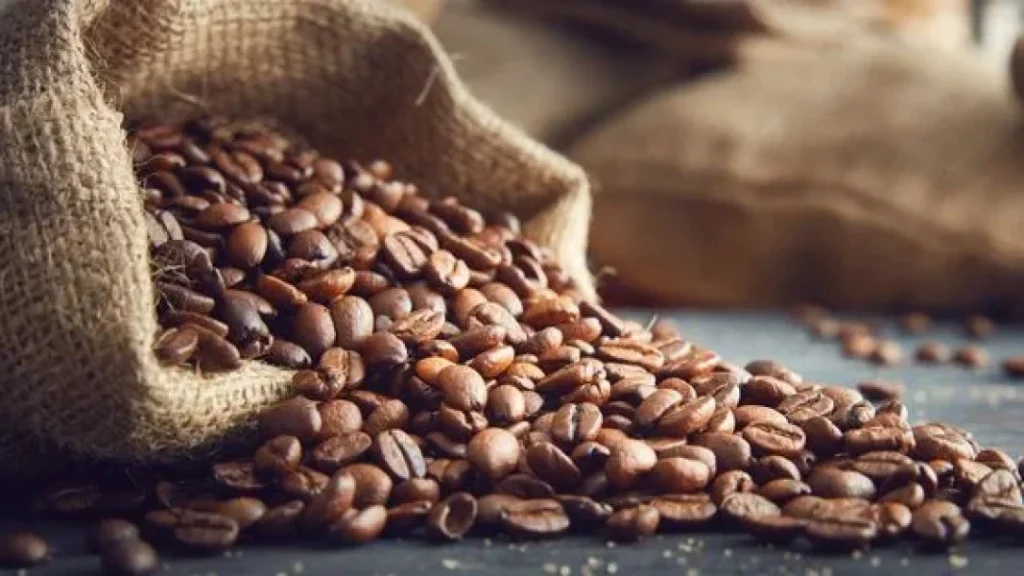
If you love coffee, knowing how to identify coffee beans from Brazil can change the way you enjoy your cup. Brazilian coffee beans have unique flavors and qualities that set them apart.
But how can you tell if the beans you have are truly from Brazil? By learning a few simple tips, you’ll be able to spot these beans with confidence. Keep reading, and you’ll discover insider secrets that make choosing the right coffee easier and more enjoyable for you.
Credit: japanesecoffeeco.com
Brazilian Coffee Origins
Brazilis the largest coffee producer globally. Its coffee grows in many regions, each with a unique taste. The main regions include Minas Gerais, São Paulo, and Espirito Santo. These areas produce most of Brazil’s coffee beans.
The climate is warm and has a dry season. Coffee plants need these conditions to grow well. The soil is rich and volcanic in many parts. This helps beans develop a smooth and nutty flavor. Coffee from Brazil often tastes mildand sweet, with hints of chocolate or nuts.
| Region | Climate | Soil Type | Flavor Notes |
|---|---|---|---|
| Minas Gerais | Warm, dry season | Volcanic, rich | Mild, nutty, chocolate |
| São Paulo | Warm, moderate rain | Loamy, fertile | Sweet, balanced |
| Espirito Santo | Warm, coastal | Sandy, well-drained | Light, fruity |
Bean Varieties In Brazil
Brazilmainly grows two types of coffee beans: Arabicaand Robusta. Arabica beans are known for their mild flavorand aroma. They have less caffeine and a smoother taste. Robusta beans have a stronger tasteand more caffeine. They often taste more bitter and have a heavier body.
Most Brazilian coffee is Arabica. It is preferred for specialty coffeeand has a sweeter, softerflavor. Robusta is less common but used in blends to add strengthand body.
| Popular Cultivars | Description |
|---|---|
| Bourbon | Sweeter taste, smooth and balanced flavor. |
| Mundo Novo | High yield, good disease resistance, mild flavor. |
| Catuai | Resistant to wind, bright acidity, fruity notes. |
Visual Characteristics
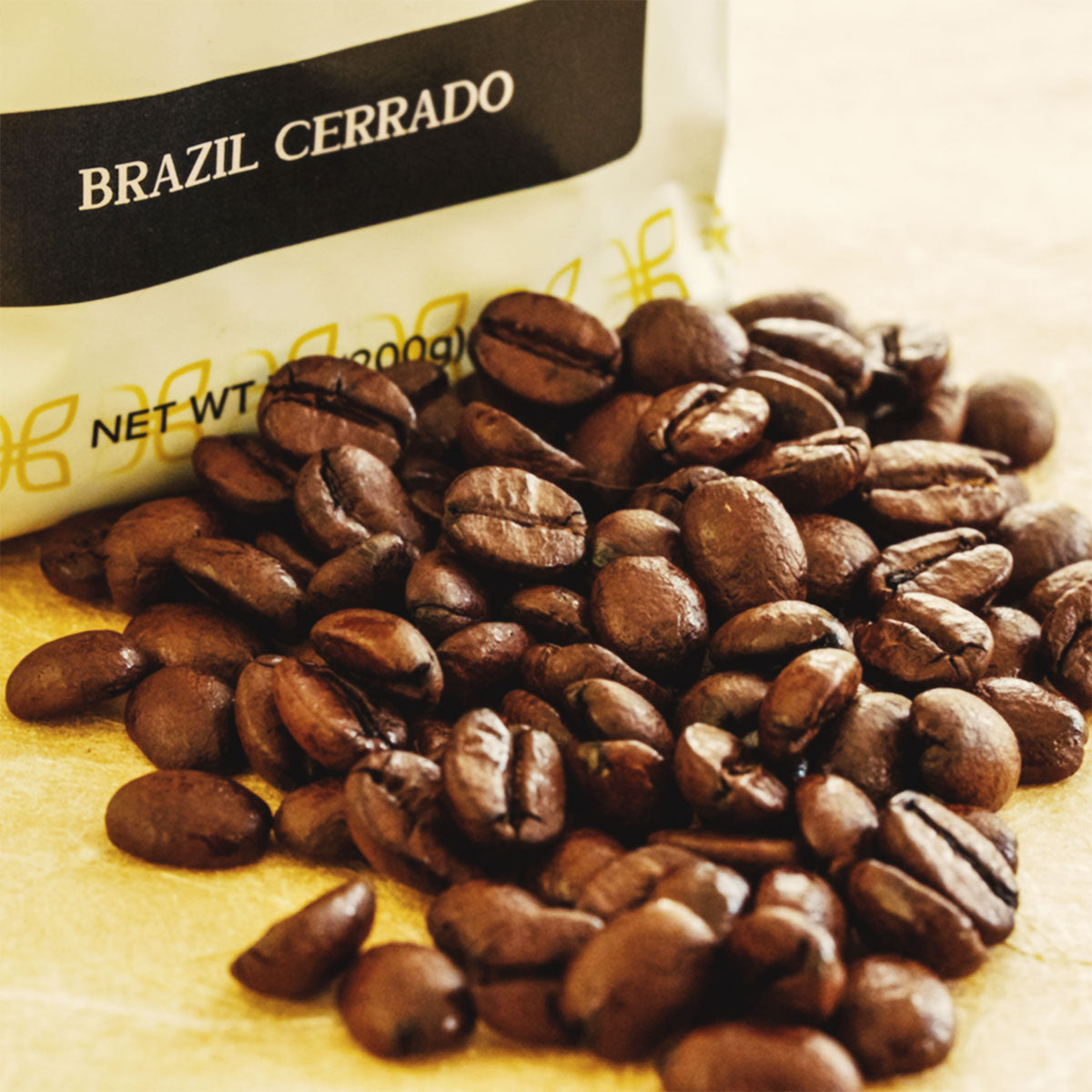
Brazilian coffee beansare usually medium to large in size. They have an oval shape with a flat side. This makes them easy to spot among other beans.
The color of these beans ranges from light brown to medium brown. Their surface is smooth, with a slight shine. The texture feels firm but not too hard.
| Feature | Brazilian Coffee Beans |
|---|---|
| Size | Medium to large |
| Shape | Oval with a flat side |
| Color | Light brown to medium brown |
| Texture | Smooth with slight shine |

Credit: www.mysticmonkcoffee.com
Aroma And Flavor Profiles
Brazilian coffee beanshave a distinct aromathat sets them apart. The common aromatic notesinclude nutty, chocolatey, and caramel scents. These smells are often mild and sweet, making the coffee easy to enjoy.
The tasteof Brazilian beans is usually smooth and balanced. Expect low aciditywith flavors of nuts, cocoa, and sometimes a hint of fruit. The bodyis often medium to full, offering a rich mouthfeel.
| Common Aromatic Notes | Taste Attributes |
|---|---|
| Nutty | Smooth |
| Chocolate | Balanced |
| Caramel | Low Acidity |
| Mild Fruit Hints | Medium to Full Body |
Processing Methods
Brazilian coffee beans undergo two main processing methods: Naturaland Washed. Natural processing means the beans dry inside the whole fruit. This method gives the coffee a fruitierand heavier body. It often has sweet, berry-like flavors.
Washed processing removes the fruit before drying the beans. This results in a cleaner, brighter taste. Washed beans usually have higher acidityand more floral or citrus notes. The flavors are lighter and more delicate.
The choice of processing impacts the bean’s traits a lot. Natural beans are rich and sweet, while washed beans are clean and crisp. Both types are popular and show different sides of Brazilian coffee.
Roasting Brazilian Beans
Brazilian coffee beans often have a medium size and a smooth, rounded shape. Their color ranges from light to medium brown after roasting, with a mild, nutty aroma. Tasting notes usually include chocolate and caramel flavors, making them distinct among global coffee varieties.
Roast Levels & Flavor Development
Roasting Brazilian beans can bring out unique flavors and aromas. Light Roast beans have a light brown color and a light body. They have a fruity flavor and a dry finish. Medium Roast beans have a medium brown color and a balanced body. They have a nutty flavor and a smooth finish. Dark Roast beans have a dark brown color and a heavy body. They have a bitter flavor and a rich finish.| Roast Level | Color | Body | Flavor | Finish |
|---|---|---|---|---|
| Light Roast | Light Brown | Light | Fruity | Dry |
| Medium Roast | Medium Brown | Balanced | Nutty | Smooth |
| Dark Roast | Dark Brown | Heavy | Bitter | Rich |
Expert Tasting Techniques
To taste Brazilian coffee beans, start with cupping. This means smelling the dry grounds first. Then, pour hot water over the grounds. Let it brew for a few minutes. Break the crust with a spoon and smell again. This step reveals the coffee’s aromasand freshness.
Use a spoon to taste the coffee by slurping it quickly. This spreads the coffee over your tongue. Notice the sweetness, acidity, and bitterness. Brazilian beans usually have a nuttyor chocolateflavor. They tend to be smooth with low acidity.
- Southeast Brazil:rich and full-bodied
- Northeast Brazil:fruity and bright notes
- South Brazil:balanced with mild acidity

Credit: naturevalleyuae.com
Authenticity Verification
Authenticity verification involves checking the size, shape, and color of Brazilian coffee beans. Genuine beans often have a uniform appearance and a mild, nutty aroma. Identifying the origin helps ensure quality and taste consistency.
Certifications To Look For
Check for certificationson the coffee packaging. The most common ones are Fair Trade, Rainforest Alliance, and Organic. These labels ensure the coffee meets certain quality and ethical standards.
Brazilian coffee often carries a Brazil Specialty Coffeemark. This helps to confirm the beans are truly from Brazil and grown in recognized regions.
Avoiding Counterfeits
- Buy from trusted sellersor stores.
- Look for clear origin infoon the package.
- Check for fresh roast datesto avoid old beans.
- Beware of very cheap prices; they may indicate fake products.
Frequently Asked Questions
What Are The Key Features Of Brazilian Coffee Beans?
Brazilian coffee beans are medium to dark roasted with a nutty, chocolatey flavor. They often have low acidity and a smooth, balanced body, making them popular worldwide.
How To Visually Identify Brazilian Coffee Beans?
Brazilian beans are usually medium-sized and oval-shaped. They have a consistent light to medium brown color with a slightly oily surface when roasted.
Why Is Brazilian Coffee Bean Quality Important?
Brazil produces 35% of the world’s coffee. High quality beans ensure rich flavor, better aroma, and a superior brewing experience.
Which Coffee Varieties Are Grown In Brazil?
Brazil mainly grows Arabica and Robusta beans. Arabica dominates, prized for its sweet, mild flavor and aromatic complexity.
Conclusion
Identifying Brazilian coffee beans is easier with practice. Look for their size, color, and shape carefully. Notice the aroma and taste for clues. These beans often have a nutty, chocolate flavor. Remember, each region in Brazil gives beans unique traits.
Keep exploring different beans to find what you like best. Enjoy the rich world of Brazilian coffee with every cup. Your coffee journey becomes more fun with each try. Keep learning and tasting—there is always more to discover.