
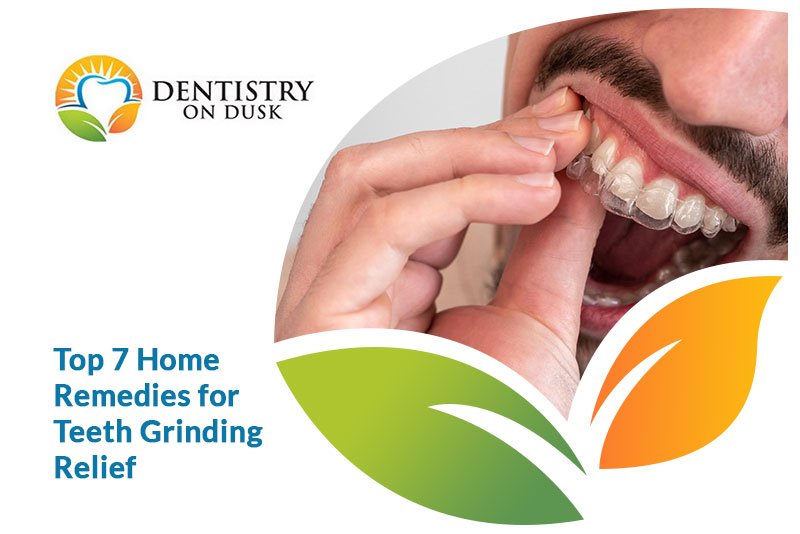
Are you waking up with a sore jaw or headaches and don’t know why? Grinding your teeth, also called bruxism, might be the cause.
It can happen without you even realizing it, especially when you’re asleep. If you want to protect your teeth and find relief from the discomfort, you’re in the right place. This article will show you simple, effective ways to stop grinding your teeth and keep your smile healthy.
Keep reading to discover easy tips that can make a big difference in your daily life.

Credit: www.smiledentalturkey.com
Causes Of Teeth Grinding
Stress and anxietyoften cause people to grind their teeth. Tension builds up in the jaw muscles, leading to clenching or grinding during sleep or awake hours. Managing stress can reduce this habit.
Sleep disorderslike sleep apnea or restless leg syndrome can trigger teeth grinding. These conditions disrupt normal sleep patterns, causing unconscious grinding or clenching at night.
Misaligned teethor an uneven bite may cause discomfort. The jaw tries to find a comfortable position, leading to grinding as it adjusts. Orthodontic treatment can help fix this issue.
Lifestyle factorssuch as caffeine, alcohol, or smoking increase chances of grinding. These can stimulate the nervous system and cause jaw muscles to tighten. Reducing these habits may ease teeth grinding.
Credit: vancouverdentistbc.ca
Signs And Symptoms
Jaw pain and sorenessoften happen after clenching or grinding teeth. The muscles feel tight and tired. This pain may spread to the face and neck. It can make it hard to open the mouth wide.
Tooth damageappears as worn or cracked teeth. The enamel may get thin or chipped. Teeth may become sensitive to hot or cold foods. This damage can cause more problems over time.
Headachesare common, especially near the temples. These headaches may come early in the morning. They feel like a dull, constant ache.
Sleep disturbanceshappen because grinding makes it hard to rest well. Sounds of grinding may wake a partner. The person may feel tired even after sleeping.
Home Remedies
Stress management techniqueshelp reduce teeth grinding by calming the mind. Try deep breathing or meditation to relax. Taking breaks during the day can lower tension. Avoid stressful situations before bedtime for better rest.
Jaw exercisescan ease muscle tightness. Gently open and close the mouth. Move the jaw side to side slowly. These exercises help keep jaw muscles loose and prevent grinding.
- Avoiding stimulantslike caffeine and nicotine reduces jaw clenching.
- Drink less coffee, tea, and energy drinks, especially in the evening.
- Nicotine can increase stress, making grinding worse.
Proper sleep hygienesupports better rest and less grinding. Keep a regular sleep schedule. Make the bedroom quiet, dark, and cool. Avoid screens at least one hour before bed. Good sleep helps muscles relax and heal.
Dental Treatments
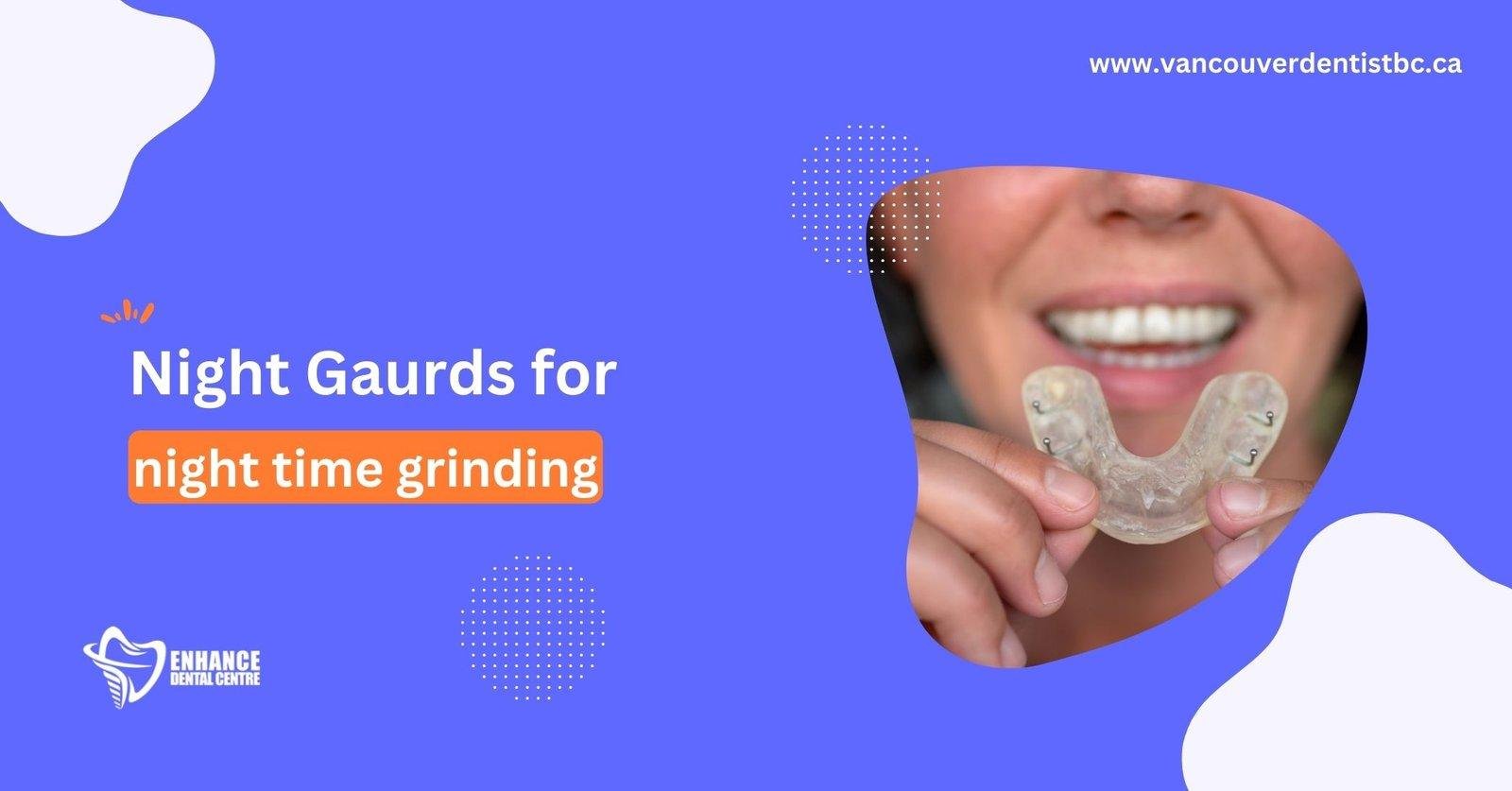
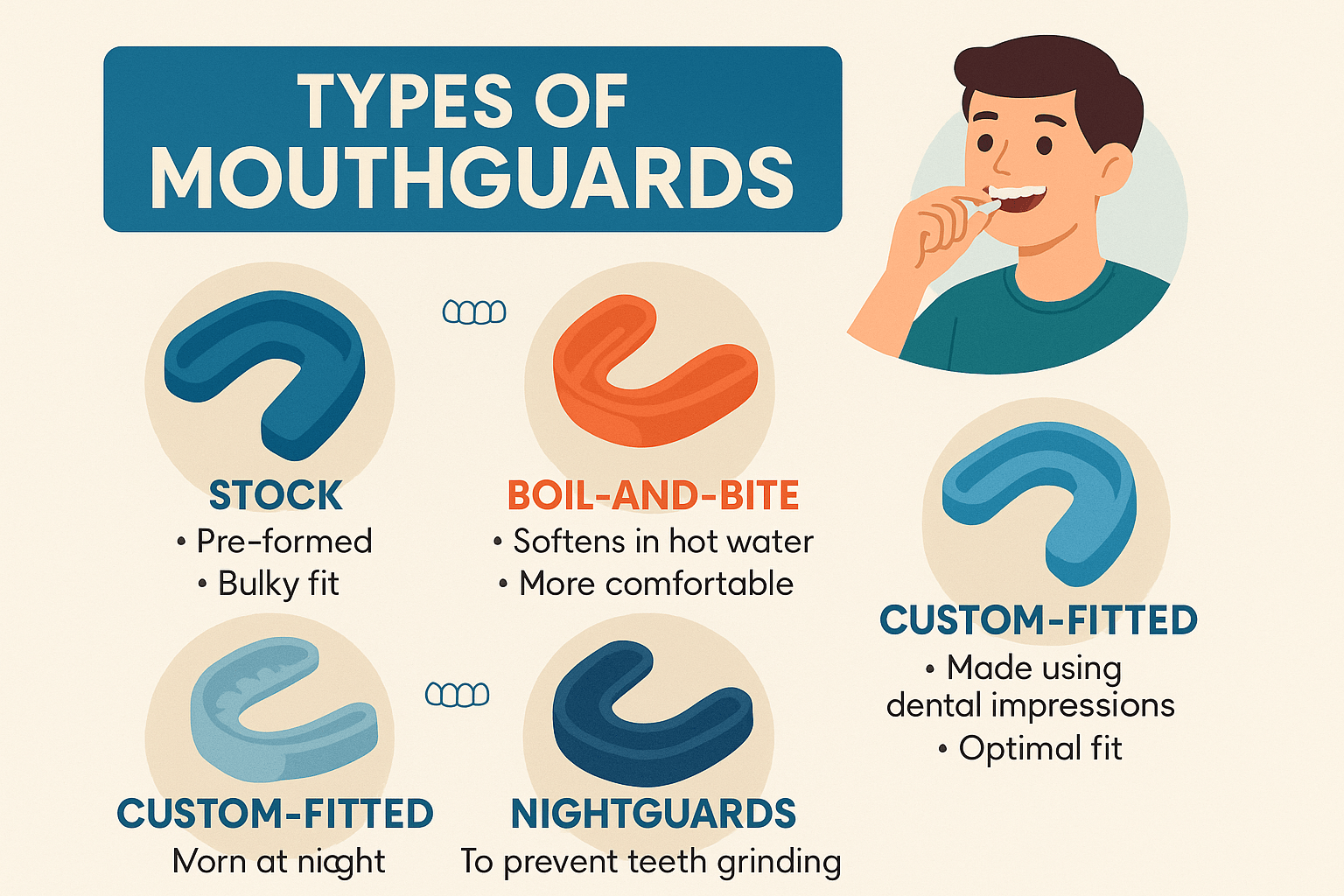
Mouthguards and splintsprotect teeth from damage caused by grinding. They fit over teeth and create a barrier. This reduces wear and stops pain in the jaw. These devices are easy to use and often custom-made by dentists.
Dental correctionhelps if teeth alignment causes grinding. Braces or other tools can fix teeth positions. This reduces grinding by making the bite more even. Straight teeth also improve chewing and speaking.
Botox injectionsrelax muscles that cause grinding. Botox weakens the jaw muscles slightly to stop tight clenching. This reduces pain and prevents damage to teeth. The effect lasts a few months and can be repeated.
When To See A Professional
Persistent symptomssuch as jaw pain, headaches, or worn teeth need medical attention. These signs show grinding is harming your mouth. Ignoring these can lead to more pain and damage.
Severe tooth damageincludes cracks, chips, or loose teeth. These issues require a dentist’s care. They can fix damage and stop further harm.
Sleep study considerationsapply if grinding happens during sleep. A doctor may suggest a sleep study to check for problems like sleep apnea. This helps find the best treatment plan.
Credit: www.caledoniacrosstowndental.ca
Frequently Asked Questions
What Causes Grinding Teeth During Sleep?
Grinding teeth, or bruxism, is often caused by stress, anxiety, misaligned teeth, or sleep disorders. It can also result from lifestyle factors like caffeine or alcohol consumption.
How Can I Stop Grinding Teeth Naturally?
To stop grinding teeth naturally, try stress reduction techniques, maintain good sleep hygiene, avoid stimulants, and use relaxation exercises before bed. Wearing a mouthguard may also help protect your teeth.
What Treatments Help With Teeth Grinding?
Treatments include custom-fitted mouthguards, dental correction, stress management, and behavioral therapy. In some cases, medication or Botox injections may be recommended to reduce muscle activity.
When Should I See A Dentist For Grinding?
See a dentist if you experience jaw pain, headaches, worn teeth, or disrupted sleep. Early diagnosis prevents damage and helps find the right treatment plan.
Conclusion
Grinding teeth can cause pain and damage over time. Try using a mouth guard to protect your teeth. Practice relaxing your jaw during the day. Reduce stress with simple breathing exercises. Avoid chewing gum or hard foods before sleep. See a dentist if pain or damage continues.
Small changes can bring big relief. Start caring for your teeth today. Your smile will thank you.