
Are you craving fresh coffee but don’t have a grinder at hand? Don’t worry—you can still enjoy the rich aroma and flavor of ground coffee without one.
Whether you’re at home, traveling, or facing a broken grinder, this guide will show you simple, effective ways to grind your coffee beans using everyday items. By the end, you’ll be ready to brew a perfect cup with tools you already have.
Let’s dive in and unlock the secret to great coffee without a grinder!

Credit: kauaicoffee.com
Manual Grinding Techniques
A mortar and pestlehelps crush coffee beans by hand. Place beans inside the mortar. Use the pestle to press and twist in a circular motion. Keep grinding until beans become coarse or fine, as needed. This method takes a few minutes but gives good control over grind size.
The rolling pinbreaks beans by rolling over them. Put coffee beans in a plastic bag or between two cloths. Press down firmly and roll the pin back and forth. Repeat until beans reach desired size. This is simple and works well with some effort.
Use a hammer or malletto crush coffee beans carefully. Put beans in a thick cloth or bag to avoid scattering. Lightly tap the beans until crushed to the right size. This approach needs care to avoid smashing beans too much or too little.
Household Tools For Grinding
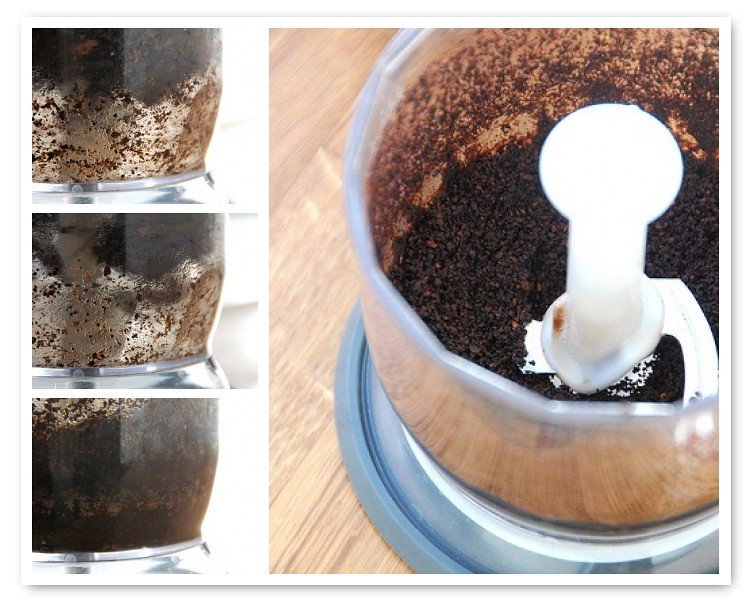
A blender or food processor can grind coffee beans quickly. Use short pulses to avoid overheating. This helps keep the coffee fresh and tasty. Don’t fill the container too full. Grinding in small batches works best.
Placing coffee beans inside a plastic bag is a simple way to grind without a machine. Seal the bag well to avoid spills. Use a rolling pin or heavy object to crush the beans. Keep pressing and rolling until the beans reach the right size.
A meat tenderizer can also help grind coffee beans. Put beans in a sturdy bag or between cloths. Gently pound with the flat side of the tenderizer. Stop and check the grind often. This method takes a bit of effort but works well.
Adjusting Grind Size
Different brewing methods need different grind sizes. The grind size affects the flavorand strengthof coffee.
- Coarse grindlooks like sea salt. It works best for French Pressbecause water flows slowly.
- Medium grindis similar to sand. It is good for drip coffee makers. It balances speed and flavor.
- Fine grindis like powder or sugar. It suits espresso machinessince water pressure is high.
Adjusting the grind size helps to get the best taste from each brew.

Credit: www.helenacoffee.vn
Tips For Consistent Grinding
Grinding coffee in small batcheshelps keep the grind even. Large amounts can lead to uneven sizeand affect taste. Use a bowl or plate for better control.
The pulsing techniqueinvolves quick bursts of grinding or crushing. This avoids overheating and keeps the beans from turning into powder. It also gives you better control over grind size.
Keep tools cleanto avoid old coffee oils mixing with fresh grounds. Regularly wash and dry your equipment. This helps maintain the best flavorand extends tool life.
Safety Precautions
Handle coffee beans carefully to avoid spills and mess. Use a sturdy surface and protect your hands while crushing beans. Keep sharp tools away from children and work slowly to prevent accidents.
Protecting Surfaces
Use a cutting board or cloth to protect your kitchen surface. Avoid placing tools directly on tables to prevent scratches. Keep your workspace clean to avoid stains from coffee grounds. Clean spills immediately to stop stains from setting in.
Handling Tools Carefully
Hold tools firmly to avoid slips. Use steady, even pressure when crushing coffee beans. Keep fingers away from sharp edges. Store tools safely after use to prevent accidents.
Avoiding Overgrinding
Grind coffee in short bursts to control texture. Stop grinding once beans reach the right size. Overgrinding can make coffee taste bitter. Coarse grounds brew better in some methods, so check your recipe.

Credit: wild-kaffee.com
Frequently Asked Questions
How Can I Grind Coffee Without A Grinder?
You can grind coffee using a mortar and pestle, rolling pin, or a blender. These tools crush beans into a coarse or fine grind, suitable for brewing. Grinding manually takes effort but yields fresh coffee without needing a dedicated grinder.
What Household Items Work For Grinding Coffee Beans?
Common items like a mortar and pestle, rolling pin, or a clean hammer can grind coffee beans. Place beans in a plastic bag or between cloth layers before crushing. These methods allow you to control grind size at home without a grinder.
How Fine Can Coffee Be Ground Without A Grinder?
Without a grinder, coffee beans typically get ground to a medium or coarse texture. Achieving a very fine powder is difficult manually. However, coarse grinds work well for French press or cold brew methods.
Is Hand Grinding Coffee Beans Better Than Electric Grinders?
Hand grinding lets you control grind size and preserves bean flavor. It’s slower but more affordable and portable than electric grinders. Both methods can produce good coffee, but hand grinding requires more time and effort.
Conclusion
Grinding coffee without a grinder is simple and effective. Use common tools like a mortar and pestle, rolling pin, or even a hammer. These methods save money and still create fresh grounds. Experiment to find the best way that suits your taste.
Fresh ground coffee always tastes better. Enjoy your coffee moments with these easy tips. No grinder? No problem at all.