
If you’ve ever wondered how to grind oyster shells effectively, you’re in the right place. Whether you want to create natural fertilizer for your garden, improve your soil’s health, or find a sustainable way to recycle waste, grinding oyster shells can make a big difference.
But how do you turn those hard, rough shells into something useful? You’ll discover simple, practical steps to crush oyster shells quickly and safely. Keep reading to learn the best tools and techniques that will save you time and effort—so you can get the results you want without frustration.

Credit: www.youtube.com
Choosing The Right Oyster Shells
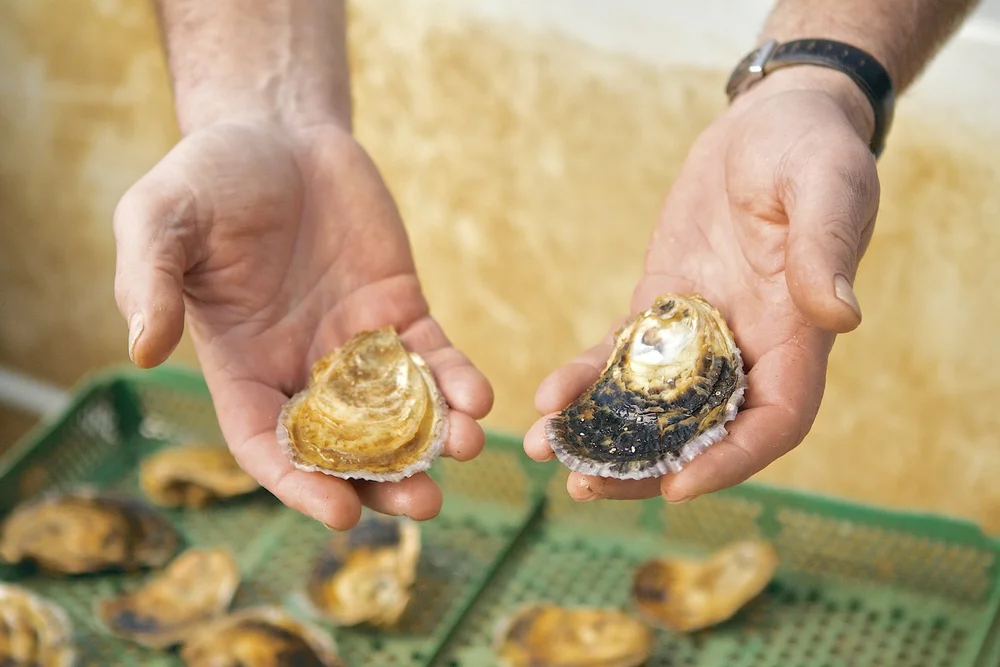
Oyster shells come in different types, like Pacific, Atlantic, and Kumamoto. Each type has a unique shape and size. Pacific shells are large and flat, while Atlantic shells are rounder and thicker. Kumamoto shells are small and deep. Choose shells that are cleanand intactfor better grinding results.
Before grinding, shells must be cleanedwell. Rinse them under cold water to remove dirt and sand. Use a brush to scrub off any leftover bits. Let the shells dry completely in the sun. Dry shells grind more easily and produce finer powder.
Essential Tools For Grinding
Manual grindingis simple and low cost. A hammeror mortar and pestlecan crush oyster shells into small pieces. It takes time but works well for small amounts.
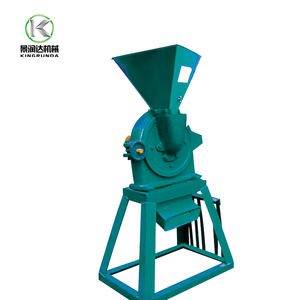
Electric grinders save effort and grind shells faster. A coffee grinderor grain millcan be used. Make sure the machine is strong enough to handle hard shells.
| Tool | Pros | Cons |
|---|---|---|
| Hammer | Cheap, easy to find | Time-consuming, uneven pieces |
| Mortar and Pestle | Control over size, simple | Hard work, slow |
| Coffee Grinder | Fast, fine powder | May need cleaning often |
| Grain Mill | Durable, consistent grind | Costly, bulky |
Step-by-step Grinding Process
Oyster shells need to be fully drybefore grinding. Spread them out in the sun or use an oven at low heat. This removes moisture and makes crushing easier.
Large pieces must be crushedinto smaller chunks. Use a hammer or a heavy tool. Place shells in a sturdy bag or cloth to avoid mess and injury. Crushing helps the grinder work better.
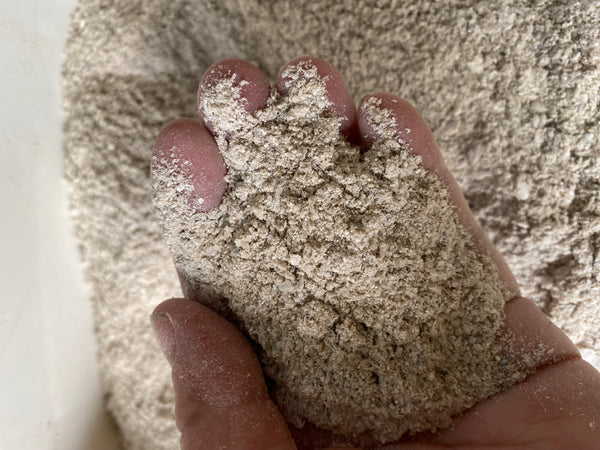
Grinding should continue until the shells reach the desired fineness. Use a grinder or a strong blender. Fine powder is good for gardening or animal feed. Coarser pieces work well for paths or decoration.
Safety Tips During Grinding
Wearing protective gearis very important. Use safety goggles to protect your eyes from sharp shell pieces. Wearing a dust mask keeps you safe from breathing in fine dust. Gloves protect your hands from cuts and rough edges.
Dust and debris can cause problems. Work in a well-ventilated area to avoid dust build-up. Use a vacuum or wet cloth to clean the workspace often. Avoid touching your face or eyes while grinding shells.
| Protective Gear | Purpose |
|---|---|
| Safety Goggles | Protect eyes from flying shell pieces |
| Dust Mask | Prevent inhaling fine dust |
| Gloves | Protect hands from cuts and rough shells |
Storing Ground Oyster Shells
Store ground oyster shellsin airtight containers to keep them dry. Moisture causes clumping and spoilage. Glass jars with tight lids work well. Plastic containers with secure seals are also good. Avoid metal containers, as they may react with the shells.
Keep containers in a cool, dry place away from sunlight. Sunlight can weaken the shells over time. A pantry or cupboard is ideal. Proper storage helps maintain the shells’ quality for a long time.
| Storage Factor | Best Practice |
|---|---|
| Container Type | Glass jars or sealed plastic containers |
| Temperature | Cool, room temperature |
| Humidity | Keep dry, avoid moisture |
| Light Exposure | Store away from direct sunlight |
| Shelf Life | Up to 1 year if stored well |
Credit: www.fishersislandoysters.com
Common Mistakes To Avoid
Avoid grinding oyster shells while they are wet. Moisture can clog your grinder and cause damage. Use dry shells for best results.
Do not try to grind too many shells at once. Overloading the grinder can lead to uneven grinding or machine jams.
Ensure the shells are clean before grinding. Dirt or debris can harm your equipment and reduce the quality of the powder.
Never use a grinder that is not designed for hard materials. Oyster shells are tough and need a strong grinder.
- Avoid small grinders meant for soft materials.
- Use safety gear like goggles and gloves.
- Clean the grinder after use to prevent buildup.
Credit: www.tassiebirdandpoultrysupplies.com
Frequently Asked Questions
Why Grind Oyster Shells?
Grinding oyster shells creates a powder that enhances soil quality. The powder provides calcium, improves soil structure, and boosts plant growth. It’s also useful in chicken feed for strong eggshells. Grinding ensures faster breakdown and absorption by plants or animals.
This process maximizes the benefits of oyster shells efficiently.
What Tools Grind Oyster Shells Effectively?
Common tools include a hammer, mortar and pestle, and a coffee grinder. For larger batches, a blender or food processor works well. Industrial grinders are ideal for commercial use. Ensure the tool is sturdy to handle the hard shells. Always prioritize safety by wearing protective gear.
Can Ground Oyster Shells Improve Garden Soil?
Yes, they enrich garden soil by adding calcium and improving pH balance. This enhances plant growth and vitality. The ground shells improve soil structure, aiding in water retention and aeration. Over time, they break down, offering long-term benefits. They’re particularly beneficial for tomatoes, peppers, and other calcium-loving plants.
Are Oyster Shells Safe For Chickens?
Yes, ground oyster shells are safe and beneficial for chickens. They provide essential calcium, ensuring strong eggshells and healthy bones. Introduce them gradually into their diet. Offer them as a supplement rather than mixing directly into feed. Monitor chickens to prevent overconsumption, ensuring balanced nutrition.
Conclusion
Grinding oyster shells is simple with the right tools and steps. Clean the shells well before grinding. Use a strong grinder or hammer for best results. Ground shells help improve soil and feed animals. Store the ground shells in a dry place to keep them fresh.
Taking time to grind shells properly makes them useful for many tasks. Give it a try to see the benefits yourself. Small efforts bring great results. Keep grinding and enjoy the rewards.