

Are you tired of store-bought ground meat that doesn’t taste fresh or meet your quality standards? Grinding your own meat with a food processor can change the way you cook forever.
It’s quicker, cleaner, and lets you control exactly what goes into your meals. You’ll discover simple, step-by-step tips to grind meat perfectly every time using your food processor. Ready to take your cooking to the next level? Keep reading and unlock the secret to fresh, flavorful ground meat right in your own kitchen.

Credit: www.amazon.ca
Choosing The Right Food Processor
Food processors come in many types. Some are better for grinding meat. Compact models are easy to store but may have less power. Larger ones handle more meat at once. Look for a machine with a strong motor to grind meat smoothly.
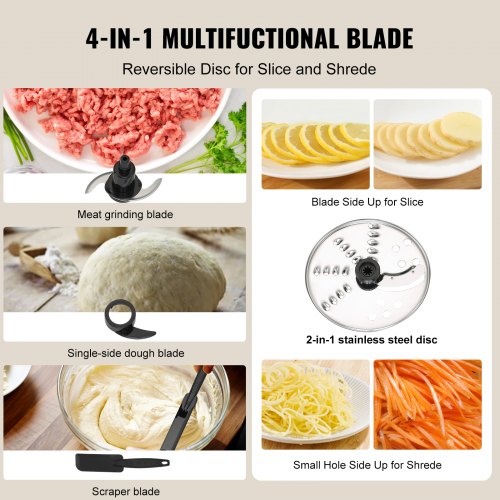
Blade design is key for good grinding. S-shaped bladesare common and cut meat finely. Some processors have special blades for tougher jobs. Stainless steel blades last longer and stay sharp.
Capacity matters. Small bowls work for quick meals or snacks. Bigger bowls save time when making large batches. Choose a size that fits your usual cooking needs.
| Type | Blade | Capacity | Best For |
|---|---|---|---|
| Compact | S-shaped | 1-3 cups | Small meals |
| Standard | S-shaped or special | 4-7 cups | Daily cooking |
| Large | Heavy duty | 8+ cups | Big batches |
Preparing Meat For Grinding
Freshnessis key for good meat grinding. Choose cuts like chuck, sirloin, or brisket for best flavor and texture. Avoid meat with dark spots or bad smell.
Trim off fat, sinew, and silver skin. These parts can clog the processor or make the grind uneven. Cut meat into small cubes, about 1-inch pieces. This helps the processor work smoothly.
Chillthe meat and the food processor parts for at least 30 minutes before grinding. Cold meat grinds cleaner and avoids smearing. Keep meat cold but not frozen solid. This keeps the texture firm and helps the blades cut better.
Setting Up Your Food Processor
Start by placing the food processor on a clean, flat surface. Ensure all parts are dry and ready to use. Fit the bowl securely on the base until it clicks. Attach the lid firmly to avoid spills during grinding. Insert the blade designed for grinding meat carefully, making sure it locks in place.
- Always unplug the processor before assembling or cleaning.
- Keep fingers away from the blade to prevent injury.
- Do not overload the processor with large meat chunks.
- Use the pulse button to control grinding speed.
- Stop the machine immediately if it jams or overheats.
Adjust the speed settings for different textures. Use a low speed for soft meat and higher speed for tougher cuts. Pulse the processor in short bursts to avoid overheating. Check the meat texture often to get the desired grind. Clean the processor parts right after use to keep it safe and efficient.
Grinding Meat Step-by-step
Cut meat into small pieces before loading the food processor. Avoid overfilling; fill the bowl halfway for best results. Keep meat cold to prevent smearing and ensure clean cuts. Use a sturdy, sharp blade designed for grinding meat. Secure the lid tightly to avoid spills.
Pulsinghelps control the grind size. Use short bursts to avoid over-processing. Continuous grinding produces finer, smoother meat but may heat the meat. Pulse first for coarse texture, then grind continuously if finer meat is needed.
Stop grinding to check texture often. Look for uniform pieces without large chunks. Meat should hold together but not be mushy. Adjust grinding time to get the perfect consistency for your recipe.
Cleaning And Maintenance
Carefully take apart the food processor before cleaning. Always unplug it first. Remove the blade, bowl, and lid gently. Avoid touching sharp edges directly to prevent injury. Keep all parts on a clean surface to avoid losing small pieces.
Use warm water and mild soap to wash parts. A soft brush can help remove meat bits stuck in small spaces. Rinse thoroughly to clear soap residue. Dry parts completely before reassembling to stop rust or mold growth.
Store the food processor in a dry, cool place. Keep all parts together to avoid damage or loss. Cover the blade with a protective sheath or cloth. This keeps the machine ready and safe for next use.

Credit: microwix.com
Troubleshooting Common Issues
Common problems like clogging or uneven grinding can occur with meat food processors. Cleaning blades and cutting meat into smaller pieces often helps. Checking for proper assembly ensures smooth operation and consistent results.
Dealing With Overheating
Overheating can stop the food processor from working. Let the machine rest for a few minutes. Avoid running it for too long at once. Keep the blades clean to reduce heat. Use smaller meat pieces for easier grinding.
Avoiding Clogs And Jams
Clogs slow down the grinding process. Cut meat into small, even pieces. Remove all bones and tough parts. Clean the blade and bowl after each use. Do not overload the food processor.
Improving Grinding Efficiency
- Chill the meat before grinding.
- Use sharp blades for better cutting.
- Pulse in short bursts to avoid jams.
- Check for blade alignment regularly.
- Clean parts thoroughly to keep performance high.
Tips For Best Results
Mixing different meats creates a richer taste and texture. Combine lean meats like chicken with fattier ones like pork. This balance keeps meat juicy and flavorful. Cut meats into small pieces before grinding to avoid clogging the processor.
Adding fat enhances flavor and moisture. Use about 20% fat to keep ground meat tender. Fat also helps bind ingredients in recipes like meatballs or burgers. Avoid very lean cuts unless you add extra fat.
Ground meat works well in many dishes:
- Use for burgers, tacos, or meat sauces.
- Mix with herbs and spices for better taste.
- Cook ground meat thoroughly to ensure safety.
Credit: www.vevor.ca
Frequently Asked Questions
How Do I Prepare Meat For Grinding In A Food Processor?
Cut the meat into small, uniform cubes about 1-inch size. Chill the meat and blades for 30 minutes. This prevents smearing and ensures even grinding. Remove excess fat and sinew for better texture.
Can I Grind Frozen Meat In A Food Processor?
Yes, partially freeze the meat until firm but not solid. This helps the blades cut cleanly. Avoid fully frozen meat to prevent damage to the processor and uneven grinding.
What Is The Best Speed Setting For Grinding Meat?
Use a pulse or low speed setting to control grinding. Pulse in short bursts to avoid over-processing. This maintains texture and prevents the meat from turning into paste.
How Often Should I Clean My Food Processor After Grinding Meat?
Clean immediately after use to prevent bacterial growth. Disassemble all parts and wash with hot, soapy water. Dry thoroughly before reassembling to maintain hygiene and equipment longevity.
Conclusion
Grinding meat with a food processor is quick and simple. You control the texture and size easily. Always cut meat into small pieces first. Avoid over-processing to keep the meat fresh and tender. Clean your food processor well after use.
This keeps it safe and ready for next time. Practice a few times, and you will get better. Enjoy fresh ground meat at home anytime you want.