
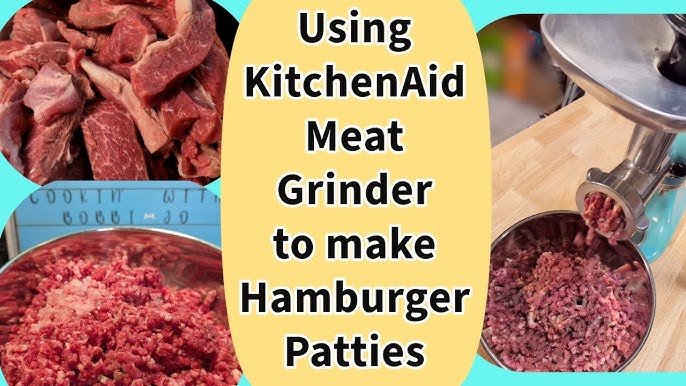
Are you tired of buying ground beef that doesn’t taste as fresh as you want? What if you could make your own ground beef at home, tailored to your taste and quality standards?
Grinding your own beef gives you control over the texture, fat content, and flavor. Plus, it’s easier than you might think. Keep reading, and you’ll discover simple steps that will turn you into a pro at grinding ground beef—saving money and making your meals more delicious.
Ready to take your cooking to the next level? Let’s get started!

Credit: www.youtube.com
Choosing The Right Cut
Choosing the right cut of beef is key for good ground meat. Cuts with enough fat keep the meat juicy and tasty. Lean cuts can make dry, crumbly ground beef.
| Cut | Fat Content | Best Use |
|---|---|---|
| Chuck | 15-20% | Great all-purpose ground beef |
| Brisket | 20-30% | Rich flavor, good for burgers |
| Sirloin | 10-15% | Lean, good for tacos or sauces |
| Round | 10-15% | Lean, best for mixing with fattier cuts |
Balance fat for the best taste and texture. About 15-20% fat is ideal for juicy, flavorful ground beef. Too little fat makes it dry. Too much fat can make it greasy.
Preparing Meat For Grinding
Chill the meat in the fridge or freezer for about 30 minutes. Cold meat grinds better and stays fresh. Cut the meat into small cubes, about 1 to 2 inches. This helps the grinder work smoothly and prevents clogging.
Trim off large pieces of fat and silver skin. Too much fat can make the ground beef greasy. Aim for about 15-20% fat for good flavor and texture. Keep some fat for juiciness, but remove excess.
- Cold meat is easier to grind.
- Cut into small, even pieces.
- Remove large fat chunks and silver skin.
- Keep some fat for taste and moisture.
Grinding Equipment Options
Manual grindersneed hand power to crush meat. They are cheapand easy to clean. Great for small amounts of beef. But they take time and effort.
Electric grinderswork fast and need little effort. They are perfect for large batches. Usually, they have different blade sizes for fine or coarse grind. They cost more and need electricity.
Food processors can grind meat too. Cut meat into small pieces first. Use short pulses to avoid turning meat into paste. Great for quick use but less control over texture.
Grinding Techniques
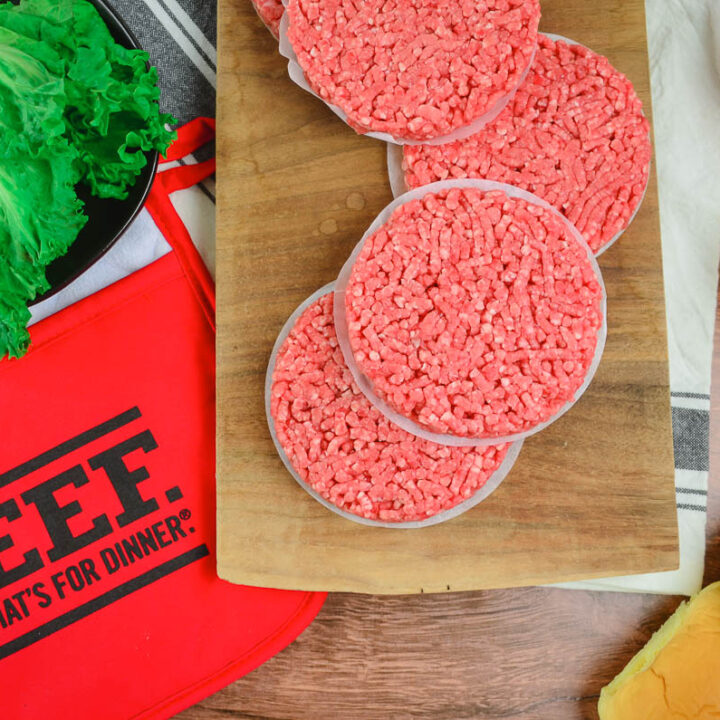
Single grindingpushes meat through the grinder once. It keeps the meat chunks larger. This is good for burgers that need a chunky texture.
Double grindingruns the meat twice through the grinder. It makes the meat finer and smoother. This is best for sausages or meatballs.
Choosing the right grind size helps control the meat texture and cooking style. Below is a quick guide.
| Grind Size | Texture | Best Use |
|---|---|---|
| Coarse | Chunky and loose | Burgers, chili |
| Medium | Balanced texture | Meatballs, tacos |
| Fine | Soft and smooth | Sausages, pâtés |
Maintaining Texture And Flavor
Keeping the meat cold is very important to maintain its textureand flavor. Cold meat grinds better and stays firm. Warm meat can become mushy and lose its taste.
Grinding meat slowly helps to avoid overheating. Overheating can make the fat melt and change the texture. It can also make the meat less tasty.
- Chill the meat and grinder parts before use.
- Cut meat into small pieces for even grinding.
- Grind in short bursts to keep temperature low.
- Keep meat in the fridge until ready to grind.

Credit: www.youtube.com
Cleaning And Safety Tips
Disassembling the grinder is key for thorough cleaning. Remove all parts carefully. Pay attention to the blade, plate, and feed tube. Dirt and meat residue hide in small spaces. Cleaning these parts prevents bacteria growth.
Use warm water and dish soap to wash each piece. A soft brush helps remove stuck particles. Rinse well to remove soap.
Sanitizing properly kills harmful germs. Soak parts in a solution of one tablespoon bleach and one gallon water. Let them sit for 10 minutes. Rinse again with clean water and dry with a clean towel.
- Wash hands before and after handling parts.
- Use separate towels for drying parts.
- Store dry parts in a clean, dry place.
Credit: homeinthefingerlakes.com
Frequently Asked Questions
What Is The Best Meat For Grinding Ground Beef?
The best meat for grinding ground beef is chuck. It has a good fat-to-lean ratio. This balance ensures juicy, flavorful ground beef. You can also mix cuts like sirloin for leaner options.
How Do I Grind Ground Beef At Home?
To grind ground beef at home, start with cold meat. Cut it into small cubes. Use a meat grinder or food processor. Grind in small batches for even texture. Chill the ground beef before cooking.
Can I Freeze Ground Beef After Grinding?
Yes, you can freeze ground beef after grinding. Place it in airtight containers or freezer bags. Label with date and use within 3 months. Thaw in the fridge before cooking to maintain quality.
Why Should I Keep Meat Cold When Grinding?
Keeping meat cold prevents bacterial growth and maintains texture. Cold meat is easier to grind evenly. It also helps avoid smearing and keeps fat from melting. Chill all equipment for best results.
Conclusion
Grinding ground beef at home is simple and rewarding. Fresh meat means better taste and control over fat. Use clean tools and chill the meat for best results. Grinding your own beef lets you create meals just how you like.
Practice a few times to get comfortable with the process. Enjoy cooking with fresh, homemade ground beef in your favorite dishes. It’s a small step that makes a big difference in flavor and quality. Give it a try and see how it improves your meals.