
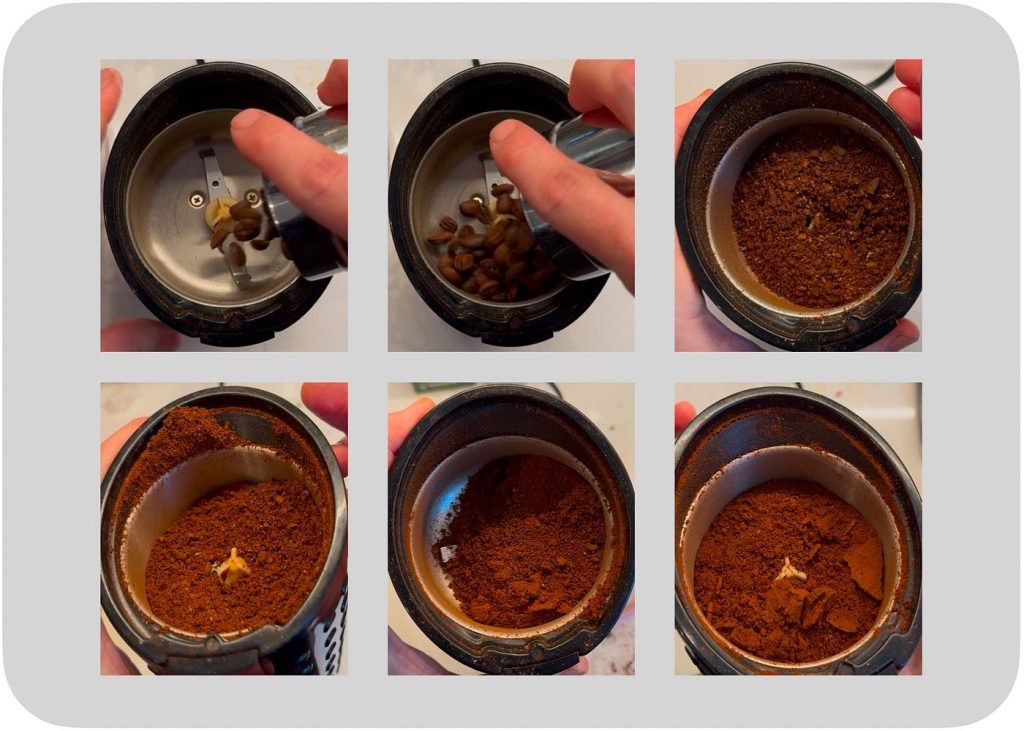
If you want to enjoy a perfect cup of espresso, grinding your beans just right is key. The texture and size of your grind can change the flavor and strength of your coffee completely.
But how do you know what grind works best for your espresso machine? And how can you make sure you get it right every time? You’ll discover simple tips and tricks that will help you grind your espresso beans like a pro.
Keep reading to unlock the secret to richer, bolder coffee that will make every morning better.

Credit: pesado585.com
Choosing The Right Grinder
Choosing the right grinder affects the taste of your espresso. Burr grinderscrush beans evenly, giving a consistent grind. Blade grinderschop beans unevenly, which can cause bitter flavors.
Manual grinders use a hand crank and work well for small amounts. Electric grinders are faster and easier for daily use. Both types can produce good results if used correctly.
| Feature | Why It Matters |
|---|---|
| Grind Settings | Allows control over grind size for different coffee styles. |
| Bean Hopper Size | Holds enough beans for your daily needs. |
| Ease of Cleaning | Important to keep grinder working well and tasting fresh. |
| Noise Level | Quieter grinders are better for early mornings. |
Selecting The Perfect Grind Size
Fine grindsare small and powdery. They help make a strong espresso with rich flavor. But too fine can cause bitterness and slow brewing.
Coarse grindsare larger and grainy. They let water flow faster and create a lighter taste. Too coarse can lead to weak espresso.
| Grind Size | Flavor Impact | Brewing Time |
|---|---|---|
| Fine | Bold, rich, sometimes bitter | Slow |
| Medium | Balanced, smooth | Medium |
| Coarse | Mild, light | Fast |
Different espresso machines need different grind sizes. Machines with high pressure work best with fine grinds. Lower pressure machines need coarser grinds for good flow.
Adjust grind size slowly to match your machine and taste. Small changes can make big flavor differences. Keep testing to find the perfect grind.
Grinding Techniques For Consistency
Measuring coffee beanscorrectly ensures a consistent grind. Use a scale to weigh beans before grinding. This keeps coffee taste balanced every time. Avoid guessing amounts to prevent weak or bitter espresso.
Grinding speedaffects the quality of the beans. Slow, steady grinding prevents overheating. Too fast grinding creates heat that changes flavor. Electric grinders with adjustable speed work best for control.
Avoid overheating beansby grinding in short bursts. Let the grinder rest if it feels hot. Hot beans lose aroma and taste. Cool beans make the best espresso.

Credit: medium.com
Maintaining Your Grinder
Regular cleaning keeps your grinder working well and your espresso fresh. Clean the burrs and chamber often to remove coffee oils and dust. Use a brush or cloth to wipe away leftover grounds. Avoid water on electric parts, but dry cloth works fine on metal parts. Cleaning stops old flavors from mixing with fresh beans.
Replacing burrs and parts keeps the grinder sharp and efficient. Dull burrs make uneven grinds and bad taste. Check the burrs every few months. Follow the grinder’s guide to change parts safely. Use only parts made for your grinder model.
Store your grinder in a dry, cool place to avoid damage. Keep it away from moisture and direct sunlight. Cover it when not in use to stop dust from getting inside. Proper storage helps the grinder last longer and stay clean.
Common Grinding Mistakes To Avoid
Dull bladescause uneven grinding. Coffee may taste bitter or weak. Replace blades often to keep grind consistent.
Grinding too much coffeewastes beans and can cause stale taste. Grind only the amount needed for fresh espresso.
Ignoring grind size adjustmentsaffects espresso quality. Finer grinds create stronger coffee but can clog machines. Coarser grinds make weak coffee. Adjust grind size to match your espresso machine and taste.

Credit: www.cibodargento.com
Frequently Asked Questions
What Grind Size Is Best For Espresso Beans?
The best grind size for espresso beans is fine and consistent. This allows optimal extraction and rich flavor. Too coarse or too fine grinds can cause under or over-extraction, affecting taste.
How Do I Grind Espresso Beans At Home?
Use a burr grinder for uniform particle size. Set it to fine grind and grind fresh before brewing. Avoid blade grinders as they produce uneven grinds and heat the beans.
Can I Use Pre-ground Coffee For Espresso?
Pre-ground coffee is less fresh and may lose flavor quickly. Grinding beans just before brewing ensures optimal aroma and taste for espresso.
How Much Coffee Should I Grind For One Espresso Shot?
Grind about 18-20 grams of coffee for a double espresso shot. Adjust slightly based on your machine and taste preferences.
Conclusion
Grinding espresso beans takes practice and attention to detail. Choose the right grind size for your espresso machine. Fresh beans give the best flavor and aroma. Adjust the grind if the espresso tastes bitter or weak. Clean your grinder regularly to keep it working well.
Small changes can make a big difference in taste. Enjoy the process and experiment to find what you like. Perfect espresso starts with well-ground beans. Keep trying, and you will brew great coffee every time.