
If you love cold brew coffee, you know that the grind size can make or break your brew. Getting it just right means smoother taste, richer flavor, and no bitter surprises.
But how do you grind coffee perfectly for cold brew? This guide will show you simple steps to help you grind your beans like a pro. By the end, you’ll have the secrets to making every cup of cold brew your new favorite.
Ready to transform your coffee game? Let’s dive in.

Credit: thewoodenskillet.com
Choosing The Right Coffee Beans
Arabicabeans offer a smooth and sweet flavor, perfect for cold brew. Robustabeans provide a stronger, more bitter taste with more caffeine. Mixing both can create a balanced cold brew.
Choose beans with a medium to dark roast. Dark roasts bring out rich and chocolatey notes. Medium roasts keep some fruitiness and brightness in the brew.
Freshnessis key. Beans should be used within a few weeks of roasting. Store them in an airtight container away from light and heat. This keeps flavors vibrant and fresh.

Credit: thewoodenskillet.com
Grind Size Essentials
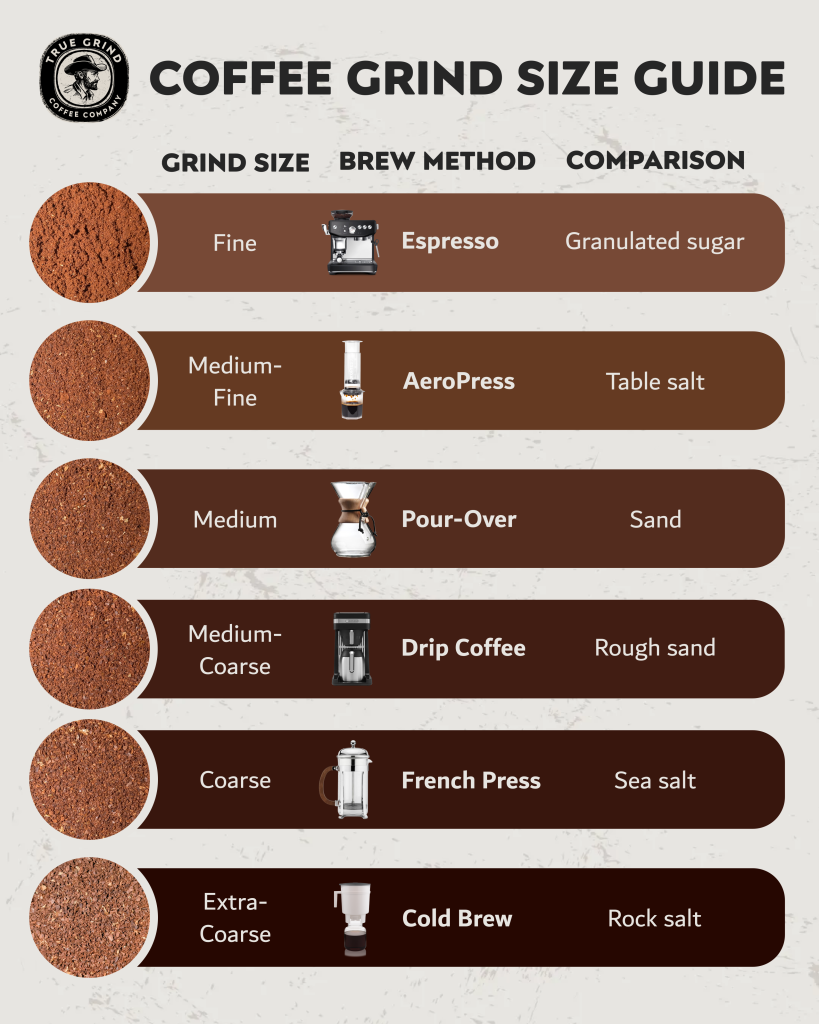
Coarse grindis essential for making cold brew coffee. It allows water to flow slowly through the coffee grounds. This slow extraction creates a smooth and less bitter taste. Fine grinds can make the coffee too bitterand cloudy. Larger grinds might not extract enough flavor, resulting in weak coffee.
Using the right grind size helps balance flavor and clarity. Coarse grounds are similar to sea saltin size. They prevent over-extraction and reduce sedimentin the final brew. This makes cold brew easy to filter and enjoy.
| Grind Size | Effect on Cold Brew |
|---|---|
| Coarse | Smooth, balanced flavor; easy to filter; less bitterness |
| Fine | Bitter taste; cloudy brew; hard to filter |
| Extra Large | Weak flavor; under-extracted; watery coffee |
Grinding Methods
Using a burr grindergives a consistent grind size, which is great for cold brew. It crushes coffee beans slowly, keeping the flavor intact. The grind should be coarse, like sea salt. This helps water flow through easily during brewing. Burr grinders are easy to adjust for different coarseness levels.
Blade grinder tipsinvolve pulsing the grinder in short bursts. This avoids uneven grinding and overheating the beans. Stop and shake the grinder to mix the grounds. Aim for a coarse texture, but it may be less consistent than burr grinding.
Manual grinding techniquesinclude using a hand crank grinder. These give good control over grind size. Grind slowly and evenly. It takes more time but can produce a nice coarse grind. Good for small batches or travel use.
Adjusting Grind For Flavor
Adjusting the grind sizeaffects the cold brew’s flavor. A coarser grindcreates a lighter, smoother taste. It also reduces bitternessand makes brewing faster. A finer grindmakes the brew stronger and more intense, but it can cause bitternessif brewed too long.
Finding the right balanceis key. Use a grind size that matches your preferred strength and smoothness. Start with a medium-coarse grindand adjust based on taste.
- Coarse grind: smooth, mild, less bitter
- Medium grind: balanced flavor and strength
- Fine grind: strong, bold, more bitterness risk
Brewing timechanges how grind size works. Longer brew needs a coarser grindto avoid bitterness. Shorter brew can use a finer grindfor more flavor.
Storage And Consistency
Store coffee groundsin an airtight container to keep them fresh. Moisture and air can make coffee lose flavor quickly. Keep the container in a cool, dark placelike a pantry or cupboard. Avoid places near heat or sunlight.
Use coffee grounds within two weeksfor the best taste. Grinding coffee just before making cold brew helps maintain freshness.
- Uniform grind sizeensures even extraction.
- Coarse grounds work best for cold brew.
- Use a burr grinder for consistent size.
- Blade grinders often produce uneven grounds.
- Check grounds visually to keep size uniform.
Common Mistakes To Avoid
Over-grinding coffeefor cold brew can lead to bitter flavors.
Fine grounds extract too fast, making the taste harsh and unpleasant.
Cold brew needs coarse, even groundsfor smoothness.
Using pre-ground coffee often means it’s too fine or old.
This reduces freshness and affects the final flavor negatively.
- Buy whole beans and grind just before brewing.
- Use a burr grinder for consistent coarse grind size.
- Avoid blade grinders that create uneven particle sizes.
- Store beans in a cool, dark place to keep freshness.

Credit: thewoodenskillet.com
Frequently Asked Questions
What Grind Size Is Best For Cold Brew Coffee?
A coarse grind is ideal for cold brew. It allows slow extraction and prevents over-extraction. This results in smooth, rich flavor without bitterness.
How Does Grind Size Affect Cold Brew Taste?
Grind size controls extraction rate. Coarse grounds extract slowly, yielding balanced flavor. Fine grounds extract quickly, causing bitterness and sediment in cold brew.
Can I Use A Regular Coffee Grinder For Cold Brew?
Yes, a burr grinder is best for consistent coarse grind. Blade grinders can work but produce uneven particles, affecting cold brew taste.
How Long Should I Grind Coffee For Cold Brew?
Grinding time depends on grinder type. Burr grinders take a few seconds for coarse grind. Avoid overgrinding, which creates fines and bitterness.
Conclusion
Grinding coffee for cold brew is simple with practice. Choose the right grind size. Coarse grounds work best. They prevent bitterness. Use a burr grinder for consistency. Experiment with different beans. Each variety has unique flavors. Freshly ground coffee enhances taste.
Store beans properly for freshness. Cold brew offers smooth, rich flavor. Perfect for hot days. Enjoy experimenting with your brew. Find your favorite taste profile. Share your creations with friends. Cold brew is easy and rewarding. Start grinding, brewing, and savoring.
Your perfect cup awaits.