
Imagine craving a fresh cup of coffee but realizing you don’t have a grinder. Frustrating, right?
What if you could still enjoy that rich, aromatic brew without any fancy equipment? You don’t need to run out and buy a grinder to get the perfect grind. You’ll discover simple, clever ways to grind your coffee beans using things you already have at home.
By the end, you’ll be ready to make a delicious cup anytime, anywhere. Keep reading to unlock these easy, effective methods that will change how you enjoy your coffee forever.

Credit: www.helenacoffee.vn
Why Freshly Ground Coffee Matters
Freshly ground coffeeholds more flavor than pre-ground coffee. The oils and aromas stay locked in the beans until ground. Once ground, these elements start to fade quickly. This is why fresh grinding is key to a rich, tasty cup.
Grinding coffee just before brewing keeps the aromas strong. It also controls the size of the grounds, which affects how the coffee brews. Finer grounds brew faster and stronger. Coarser grounds brew slower and milder.
Fresh grounds help the coffee taste clean and bright. Stale grounds can taste flat or bitter. Fresh coffee smells wonderful too, making the whole experience nicer.

Credit: www.roastthecoffee.com
Tools You Can Use Instead Of A Grinder
A mortar and pestleis great for grinding small amounts of coffee beans. Press and twist the pestle to crush beans into a coarse or fine powder. It may take some time but gives good control over the grind size.
Using a rolling pinworks well on a flat surface. Place beans inside a plastic bag or between two sheets of paper. Roll over the beans with the pin, applying steady pressure. This method can create uneven grinds but is simple and quick.
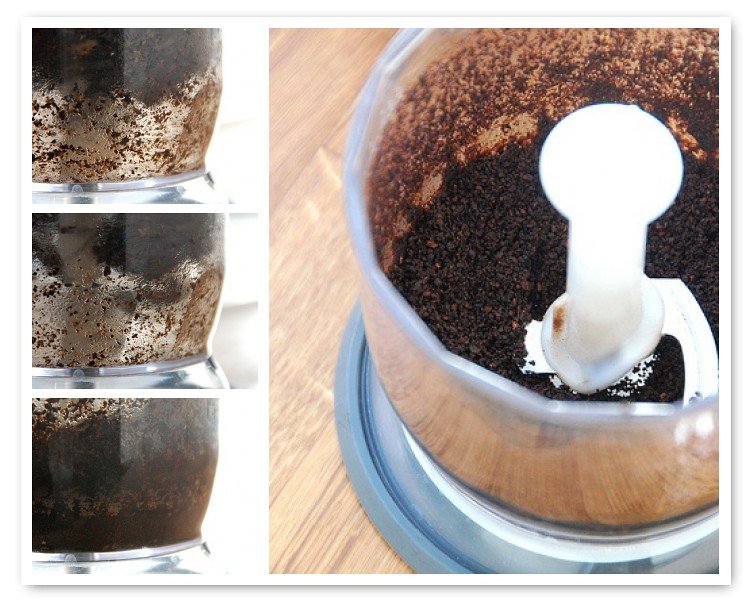
A blender or food processorcan grind beans faster. Use short pulses to avoid overheating the beans. Be careful not to grind too long or the coffee might become powdery and bitter.
A hammer or meat tenderizercan crush beans inside a sturdy bag. Tap gently to break beans into smaller pieces. This method needs patience and care to avoid making a mess.
Using a coffee can or jarlets you shake beans to break them. Close the container tightly and shake vigorously. This helps crack the beans but may not produce even grounds.
Step-by-step Grinding Techniques
Start with fresh, dry coffee beans for the best taste. Measure the amount you need to avoid waste. Clean your tools to keep flavors pure. Make sure beans are at room temperature to grind evenly.
Place coffee beans in a mortar. Use the pestle to press down firmly and twist. Repeat until beans are crushed to your desired size. This method takes time but gives control over grind size.
Put beans in a sturdy plastic bag or between two cloths. Roll a rolling pinover the beans with steady pressure. Roll back and forth until beans are crushed. Check grind size often to avoid over crushing.
Use a blenderon the lowest setting. Pulse in short bursts to prevent overheating. Stop and shake the blender jar between pulses. This method is faster but can create uneven grinds.
Place beans on a hard surface like a cutting board. Cover with a cloth to avoid flying bits. Gently tap beans with a hammeruntil broken into smaller pieces. Use light taps to avoid smashing beans into powder.
Tips For Getting The Right Grind Size
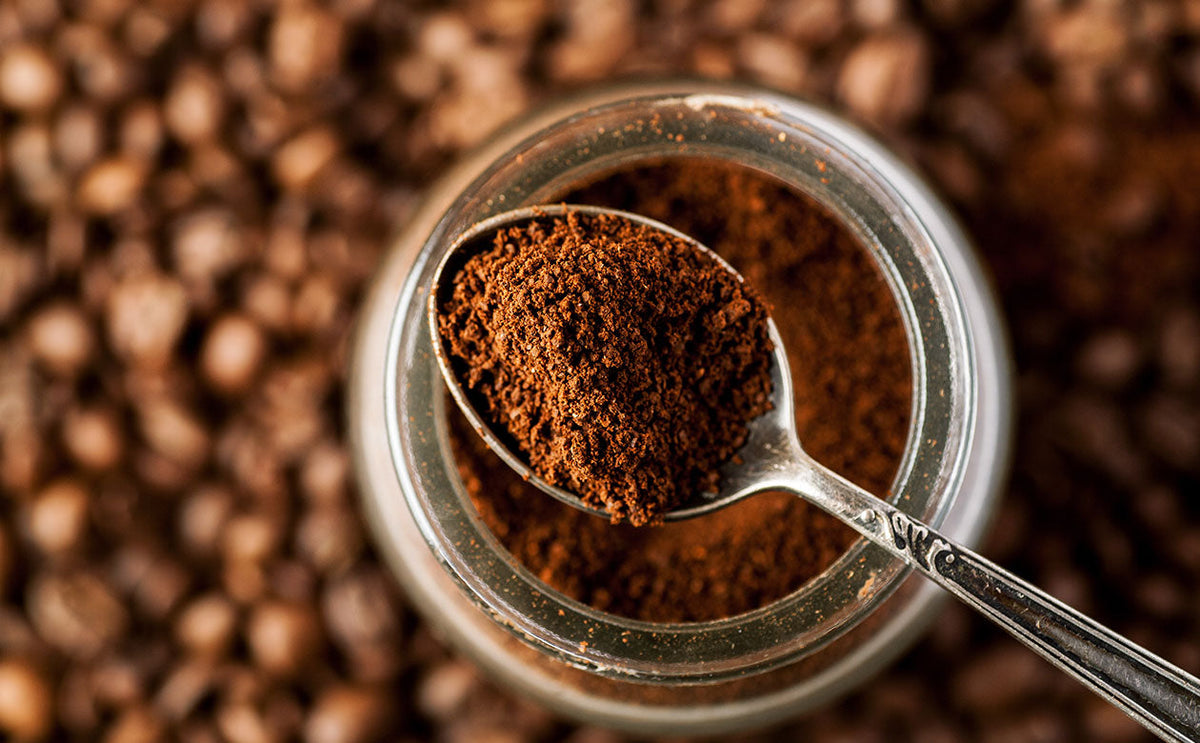
Grinding time affects the sizeof coffee particles. Short grinding makes coarsergrounds, good for French press. Longer grinding creates finergrounds, ideal for espresso. Check the grind often to get the right texture.
Look at the particles to check consistency. The grind should be mostly uniform. Uneven size can cause bad tastein coffee. Use a flat surface and good light to see the grind clearly.
- Grind slowly to avoid overheatingbeans.
- Overheating changes the flavor and aroma.
- Take breaks if using manual tools to keep beans cool.
- Cool beans keep the coffee fresh and tasty.
Cleaning And Maintaining Your Diy Tools
DIY tools used for grinding coffee beans need regular cleaning. This keeps them working well and helps coffee taste fresh. After each use, wipe tools with a dry cloth. Remove leftover coffee bits carefully to avoid clogging.
For deeper cleaning, wash tools with warm water and mild soap. Make sure to dry them fully before storing. Moisture can cause rust or mold, which damages tools and spoils flavor.
- Use a soft brush to clean hard-to-reach spots.
- Avoid harsh chemicals that can harm tools.
- Store tools in a dry place to keep them safe.
- Check tools regularly for wear and tear.
Credit: kauaicoffee.com
When To Consider Buying A Grinder
Buying a grinder is useful when you want fresh coffee often. It saves time and gives a consistent grind size. A grinder helps make better coffee by controlling the coarseness. Use a grinder if you like different brewing styles. It can be handy for espresso, drip, or French press.
Manual grinding tools can work but need effort and time. A grinder is better for busy mornings or large amounts of coffee. It also reduces noise compared to manual methods.
Frequently Asked Questions
How Can I Grind Coffee Beans By Hand?
You can use a mortar and pestle to grind coffee beans by hand. Begin by adding a small amount of beans and grind in a circular motion. This method offers control over grind size, producing anything from coarse to fine grounds.
What Household Items Can Grind Coffee Beans?
Common household items like a blender or food processor can effectively grind coffee beans. Use short, controlled bursts to avoid overheating the beans. A rolling pin or hammer can also crush beans by applying consistent pressure.
Is It Safe To Grind Coffee Beans With A Blender?
Yes, it is safe to use a blender to grind coffee beans. Use the pulse setting for better control and avoid overheating. Ensure the blender is clean to prevent flavor contamination.
Can I Use A Food Processor For Coffee Beans?
A food processor can grind coffee beans effectively. Use short pulses to achieve the desired grind size. This method may produce inconsistent results, so check the grind frequently.
Conclusion
Grinding coffee beans without a grinder is easier than you think. Use simple tools like a mortar and pestle, rolling pin, or even a spoon. These methods let you enjoy fresh coffee anytime, anywhere. Experiment with different techniques to find what suits you best.
Freshly ground beans always make a better cup. So, don’t worry if you lack a grinder. Just try these easy tricks and enjoy your coffee moment. Simple, quick, and satisfying.