
Imagine waking up craving a fresh cup of coffee, only to realize you don’t have a coffee grinder. Frustrating, right?
But don’t worry—grinding coffee beans without a grinder is easier than you think. In fact, you can still enjoy that rich, aromatic brew using simple tools you already have at home. Keep reading, and you’ll discover easy, effective ways to grind your beans and unlock the full flavor of your coffee.
Your perfect cup is just a few steps away.

Credit: www.helenacoffee.vn
Choosing The Right Beans
Choosing fresh whole beansis key to good coffee. Look for beans with a roast dateon the package. Beans are best used within two weeksafter roasting.
The roast levelaffects flavor and grind ease. Light roasts are harder and need more effort to grind. Dark roasts are softer and easier to crush.
- Choose beans that match your taste: light, medium, or dark roast.
- Check for a sealed bag to keep beans fresh.
- Buy small amounts to avoid old beans.
- Whole beans keep flavor longer than pre-ground coffee.

Credit: kauaicoffee.com
Prep Before Grinding
Clear a flat surface for your workspace. Make sure it is clean and dry.
Gather all tools needed to grind coffee beans. A bowl, spoon, and a strong bag help.
Measure the coffee beans carefully for best taste. Use a kitchen scale or measuring spoon.
| Amount of Coffee Beans | Number of Cups |
|---|---|
| 10 grams | 1 cup |
| 20 grams | 2 cups |
| 30 grams | 3 cups |
Using A Mortar And Pestle
Place a small amount of coffee beans into the mortar. Use the pestle to press down gently on the beans. Start crushing them with a circular motion, applying steady pressure.
Keep grinding until the beans break into smaller pieces. Use a back-and-forth motion to create a finer grind. Pause and check the texture often to avoid over-grinding.
- Grind small batches for better control.
- Apply even pressure to avoid uneven pieces.
- Use slow, steady movements to get a uniform grind.
- Clean the mortar and pestle before use to avoid old flavors.
Rolling Pin Method
Preparing coffee beansfor crushing makes grinding easier. Spread the beans on a clean surface. Use a strong bag or cloth to hold them tight. This keeps beans from flying everywhere while crushing.
Choose a smooth, sturdy rolling pin. Place it over the bag with beans. Use your hands to roll and press down slowly. Apply steady pressure. Roll back and forth to crush beans evenly.
- Start with gentle pressure to avoid breaking the bag.
- Increase pressure gradually for finer grind.
- Stop and shake the bag to move beans around.
- Repeat rolling until you get the right texture.
Rolling pin works well on flat surfaces like a kitchen counter or table. This simple tool can grind beans without any special equipment.
Blender Or Food Processor
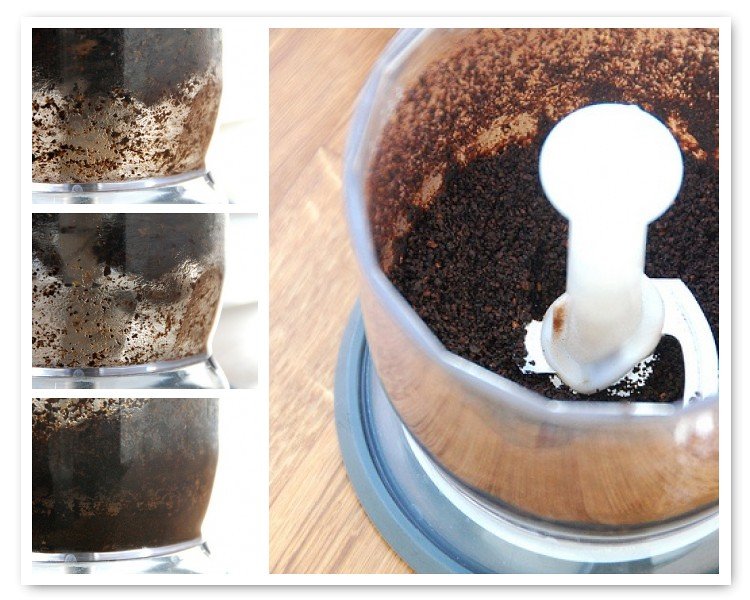
Use the pulse settingon your blender or food processor. This helps to avoid overheatingthe coffee beans. Overheating can change the flavorand aromaof the coffee. Grind in short bursts of 5-10 seconds. Pause between pulses to let the machine cool. Check the beans often to get the right size. Small pulses give better control than continuous grinding.
Cleaning the blender or food processor is important. Remove any coffee grounds quickly to stop stainingor smell. Wash the parts with warm, soapy water. Use a small brush to clean hard-to-reach areas. Make sure to dry the parts well before storing. This keeps your appliance ready for the next use and keeps it fresh.
Hammer Or Meat Tenderizer
A hammer or meat tenderizer can crush coffee beans by placing them in a sealed bag. Gently tap until beans reach the desired grind size. This simple tool works well without needing a coffee grinder.
Safety Precautions
Place coffee beans inside a strong, sealed plastic bag. Use a flat surface like a cutting board. Hold the bag firmly to avoid slipping. Strike gently with the hammer or meat tenderizer. Wear safety glasses to protect your eyes. Keep fingers away from the bag’s edges. Grind in small batches to control the process.
Achieving Desired Grind Size
Light taps create coarse grounds for French press. Harder strikes make finer grounds for drip coffee. Check the grind size often to avoid over crushing. Shake the bag gently between strikes for even grinding. Stop once the beans reach your preferred texture. Adjust hammer strength to get the right consistency.
Using A Plastic Bag And Heavy Object
Place the coffee beans inside a strong plastic bag. Seal the bag tightly to keep beans from spilling. Use a double layerbag for extra protection. Make sure no air is inside the bag to avoid mess.
Use a heavy object like a rolling pin or a small hammer. Press down gently at first to avoid tearing the bag. Gradually increase pressure to crush the beans evenly. Keep crushing until beans reach the size you want.
Adjusting Grind Size Without A Grinder
Coarse grindingis best for methods like French press and cold brew. It allows water to flow slowly, extracting rich flavors without bitterness. Coarse grounds look like small pebbles and feel rough between fingers.
Fine grindingsuits espresso and Aeropress. It helps water pass quickly, creating strong, bold coffee. Fine grounds feel like sand and are dense.
Match grind size to brewing style for best taste:
| Brewing Method | Grind Size | Why |
|---|---|---|
| French Press | Coarse | Prevents over-extraction and sediment |
| Espresso | Fine | Allows quick extraction under pressure |
| Drip Coffee | Medium | Balances flow and flavor extraction |
| Cold Brew | Coarse | Slow steeping without bitterness |
Storing Ground Coffee
Store ground coffee in an airtight container to keep it fresh and flavorful. Keep it in a cool, dark place away from heat and moisture. Avoid storing near the stove or window to prevent stale taste.
Maintaining Freshness
Ground coffeeloses freshness quickly due to air, light, and moisture. Store coffee in an airtight containerto keep it fresh longer. Keep the container in a cool, dark place, away from heat and sunlight. Avoid storing coffee in the fridge or freezer, as moisture can harm the flavor.
Best Containers For Storage
| Container Type | Features | Why It’s Good |
|---|---|---|
| Glass Jar with Airtight Lid | Seals tightly, blocks air | Keeps coffee fresh, easy to clean |
| Ceramic Canister | Opaque, airtight seal | Blocks light, preserves flavor |
| Stainless Steel Container | Durable, airtight | Protects from light and air |

Credit: www.roastthecoffee.com
Frequently Asked Questions
Can I Grind Coffee Beans Without A Grinder?
Yes, you can grind coffee beans without a grinder using household tools like a mortar and pestle, rolling pin, or blender. These methods can crush beans to a coarse or fine consistency depending on your brewing needs.
What Household Items Can Grind Coffee Beans?
Common items like a mortar and pestle, rolling pin, hammer, or blender can grind coffee beans effectively. These tools help break down beans manually or with mechanical force, offering a practical alternative when a grinder isn’t available.
How Fine Can I Grind Coffee Beans Manually?
Manual methods can achieve a coarse to medium grind easily. Fine grinds may be more challenging but possible with consistent effort using a mortar and pestle or blender on low speed.
Will Grinding Coffee Beans Manually Affect Flavor?
Manual grinding might produce uneven particles, slightly affecting extraction and flavor. However, fresh grinding still preserves coffee’s aroma and taste better than pre-ground beans.
Conclusion
Grinding coffee beans without a grinder is easier than you think. Use common household tools like a mortar and pestle or rolling pin. These methods help release fresh coffee flavors. Freshly ground coffee makes a better cup. Take your time and grind evenly for best taste.
Enjoy your coffee moments, no grinder needed. Small effort, great flavor. Keep experimenting with what works for you. Your perfect coffee is just a grind away.