
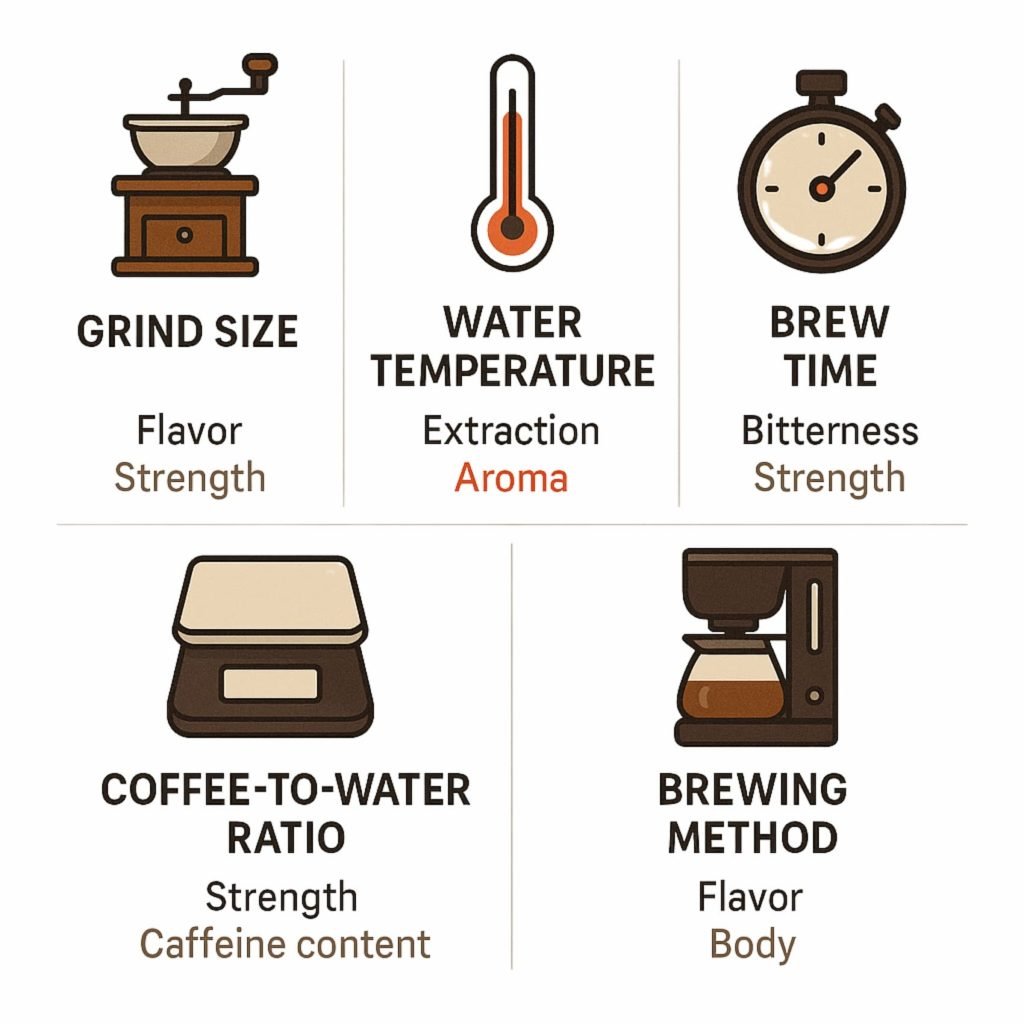
You know that perfect cup of coffee starts with great beans, but did you realize how much the grind affects the flavor? Grinding your coffee beans the right way can make all the difference between a bitter sip and a smooth, rich taste.
If you want to enjoy coffee that’s consistently delicious every morning, learning how to grind your beans properly is key. You’ll discover simple tips and tricks to get the perfect grind every time—making your coffee experience better than ever. Ready to unlock the full flavor of your coffee?
Keep reading.
Choosing The Right Grinder
Choosing the right grinder affects your coffee’s flavorand consistency. Blade grinders chop beans unevenly. This makes some coffee grounds too fine and others too coarse. Burr grinders crush beans between two surfaces. This produces a uniform grind sizefor better taste.
| Blade Grinder | Burr Grinder | |
|---|---|---|
| Grind Quality | Uneven, inconsistent | Even, uniform |
| Price | Usually cheaper | More expensive |
| Ease of Use | Simple to operate | Requires some learning |
Manual grinders use hand power to crush beans. They are quiet and portable but take effort. Electric grinders grind beans quickly and with less effort. They suit busy mornings but can be noisy.

Credit: www.drinktrade.com
Selecting The Perfect Grind Size
Grind sizeaffects the taste and strength of coffee. Different brewing methods need different grind sizes to work best.
| Brewing Method | Grind Size | Reason |
|---|---|---|
| Espresso | Fine | Fast extraction needs small particles |
| Drip Coffee | Medium | Balanced extraction time |
| French Press | Coarse | Longer steeping, avoids over-extraction |
| Cold Brew | Extra Coarse | Slow brewing over many hours |
Adjust grind size to change taste. A finer grind makes coffee bitter. A coarser grind makes it weaker. Try small changes to find your favorite flavor.
Grinding Techniques For Consistency
Measuring beans accuratelyhelps keep the coffee taste steady. Use a scale to weigh beans for each brew. Too many or too few beans change the flavor. Precision matters for a balanced cup. Keep the same amount for every grind.
Grinding in small batcheskeeps the beans fresh. Only grind what you need right away. Ground coffee loses flavor fast when exposed to air. Small batches mean better aroma and taste. Avoid grinding too much at once.
Maintaining Your Grinder
Clean your grinder after every use. Coffee oils can stick to blades. Use a brush to remove leftover grounds. A damp cloth is helpful for wiping. Ensure the grinder is completely dry. Moisture can cause clumping. Remember to unplug before cleaning.
Use separate grinders for different coffee types. Flavors can mix easily. Store beans in airtight containers. This keeps flavors fresh. Label containers to avoid confusion. Always clean the grinder when switching beans. It helps maintain flavor consistency. Keep your grinder in a clean place.
Storing Ground Coffee Properly
Best containerskeep ground coffee fresh longer. Airtight containers stop air and moisture. Glass jars with tight lids are good choices. Metal tins work well too. Plastic containers can be used if airtight.
Ideal storage keeps coffee cool and dry. Avoid heat, light, and humidity. Store containers in a dark cupboard or pantry. Keep away from the stove or sunlight. Room temperature is best; do not freeze coffee.
| Container Type | Pros | Cons |
|---|---|---|
| Glass Jar | Non-reactive, airtight with lid | Can break if dropped |
| Metal Tin | Durable, good seal | May affect taste if not lined |
| Plastic Container | Lightweight, airtight options | Can absorb odors over time |

Credit: www.youtube.com
Troubleshooting Common Grinding Issues
Uneven grind sizes can cause weak or bitter coffee. Adjust the grinder settings to a finer or coarser level. Clean the grinder regularly to remove old coffee grounds. Using a burr grinder instead of a blade grinder helps keep the size consistent. Grinding in small batches also improves uniformity.
Grinder jams happen when beans get stuck inside. Clear jams by unplugging the grinder first. Remove any stuck beans with a small brush or wooden stick. Avoid using metal tools to prevent damage. Grinding dry, fresh beans reduces the chance of jams. Regular cleaning prevents buildup that causes blockages.

Credit: kauaicoffee.com
Frequently Asked Questions
What Grind Size Is Best For Consistent Coffee Flavor?
The best grind size depends on your brewing method. For espresso, use fine grounds. For drip coffee, medium grind works best. Coarse grind suits French press. Consistency in grind size ensures balanced extraction and flavor.
How Does Grind Consistency Affect Coffee Taste?
Uniform grind size allows even extraction of coffee flavors. Uneven grounds cause over-extraction or under-extraction, leading to bitterness or sourness. Consistent grinding produces a smoother, well-balanced cup with rich aroma and taste.
Should I Grind Coffee Beans Fresh Every Time?
Yes, grinding beans fresh preserves flavor and aroma. Pre-ground coffee loses freshness quickly due to exposure to air. Freshly ground coffee ensures maximum flavor and a better coffee experience.
What’s The Best Grinder Type For Consistent Results?
Burr grinders provide consistent grind size and better flavor extraction. Blade grinders produce uneven grounds, affecting taste. Investing in a quality burr grinder improves coffee quality and consistency.
Conclusion
Grinding coffee beans right makes a big difference in taste. Use the correct grind size for your brewing method. Consistent grinding helps keep flavors balanced and fresh. Adjust the grinder settings slowly until you find what works best. Freshly ground beans give the best aroma and flavor.
Practice and patience bring better coffee every time. Enjoy the process as much as the coffee itself. Your perfect cup is just a grind away.