
If you love cooking, you know how important fresh spices are to bring out the best flavors. But what if you don’t have a grinder to crush those whole cloves?
Don’t worry—you can still get that strong, aromatic punch you want. Grinding cloves without a grinder might sound tricky, but with a few simple tools and tricks, you’ll be turning whole cloves into fine powder in no time. Keep reading, and you’ll discover easy, effective ways to grind cloves right in your kitchen—no special equipment needed.
Your dishes will thank you!
Credit: rawspicebar.com
Tools You Can Use
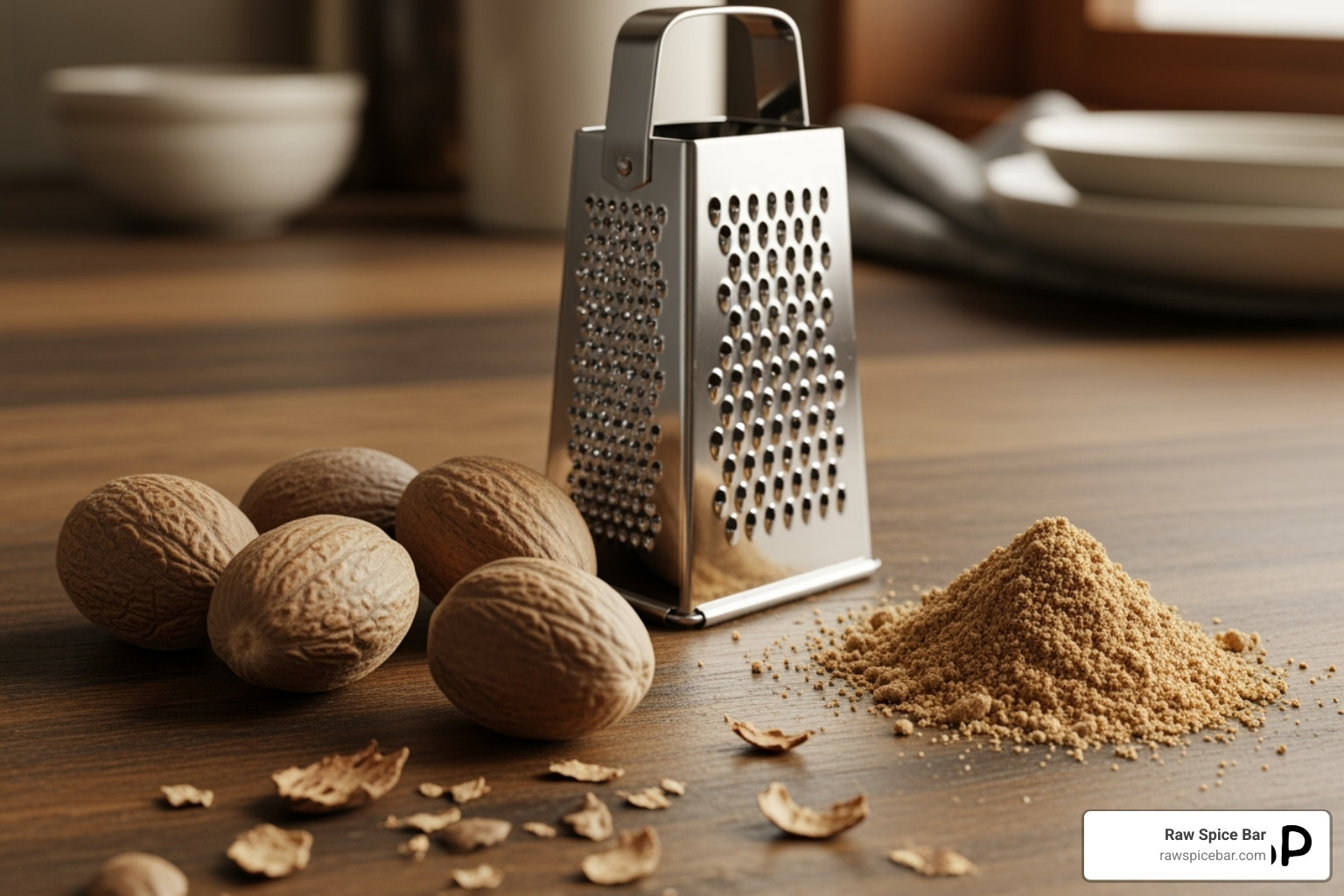
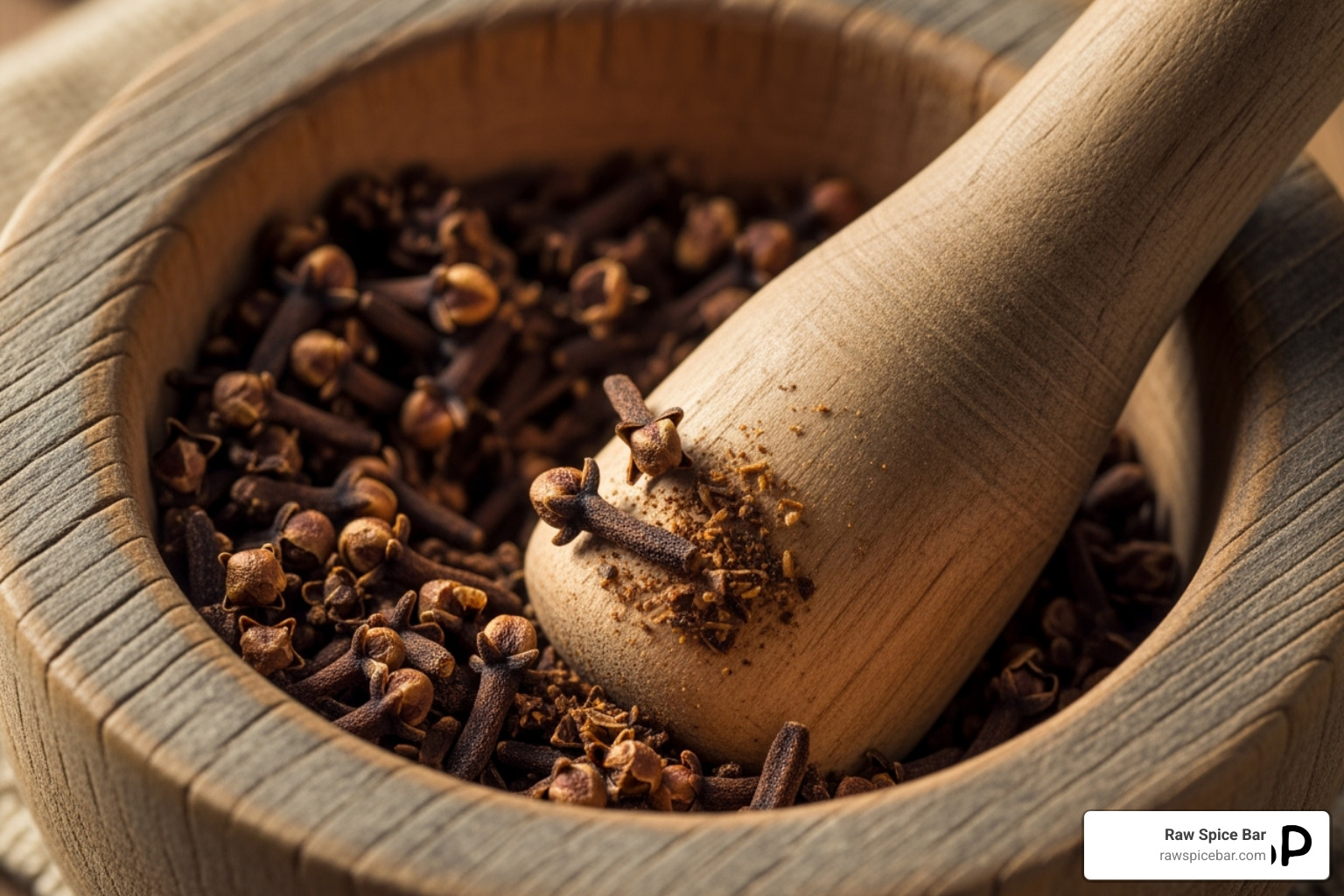
Mortar and pestleis a traditional tool for grinding spices. It lets you crush cloves into a fine powder. This method gives good control over texture. It is quiet and easy to clean.
Place cloves in the mortar. Use the pestle to press and twist until ground.
Using a rolling pin and plastic bagis simple. Put cloves in a sealed bag. Roll the pin over the bag to crush cloves. This method needs some force and patience but works well.
A hammer or malletcan smash cloves quickly. Wrap cloves in a cloth or bag first. Then gently hit them. Be careful not to hit too hard to avoid damage.
A coffee grindercan be used if no spice grinder is available. Clean it well before and after grinding cloves to avoid flavor mixing. This tool grinds cloves fast and fine.
Credit: rawspicebar.com
Preparing Cloves For Grinding
Cloves should be drybefore grinding to get the best flavor. Spread them out in a single layeron a clean cloth or paper towel. Leave them in a dry, warm placefor a few days. This helps remove moisture and makes grinding easier.
Check cloves for stems and debris. These can affect the taste and texture. Pick out any stems, leaves, or dirtby hand. Use a small brush or cloth to clean the cloves gently. Clean cloves give a purer, fresher flavor.
Step-by-step Grinding Methods
Using Mortar and Pestleis a simple way to grind cloves. Place cloves in the mortar and press down with the pestle. Use a circular motion to crush them. This method gives you control over the coarseness. It works well for small amounts.
Crushing with Rolling Pinrequires placing cloves inside a plastic bag. Seal the bag tightly to avoid spills. Roll the pin back and forth over the bag. Apply firm pressure to break the cloves into smaller pieces. This method is quick and easy.
Hammer Techniqueneeds cloves in a sturdy cloth or bag. Place it on a hard surface. Gently tap with a hammer to crush the cloves. Avoid hitting too hard to prevent powder mess. This way works for larger quantities.
Manual Coffee Grinder Methoduses a hand grinder to grind cloves. Adjust the grinder to a coarse setting first. Add cloves and turn the handle slowly. This method is efficient and gives a consistent grind.
Credit: rawspicebar.com
Tips For Fine Powder
Grinding cloves in small batches helps get a finer powder. Small amounts are easier to crush evenly. Large batches may stay coarse or uneven.
Use a mortar and pestle or a spoon and plate to grind cloves. Press and twist gently but firmly. This breaks cloves into tiny pieces.
- Start with a few cloves at a time.
- Grind until powder looks smooth.
- Check for any big pieces.
Sifting helps get a uniform texture. Use a fine mesh sieve or a tea strainer. Shake the powder gently to separate big bits.
Return larger pieces to grind again. This makes the powder consistent for cooking or baking.
Storage And Freshness
Store ground cloves in an airtight container to keep their flavor fresh. Avoid moisture and heat to preserve their strong aroma and taste. Use within a few weeks for the best quality.
Proper Containers
Store cloves in airtight containersto keep them fresh longer. Glass jars with tight lids work well. Avoid plastic bags because they let air in. Dark containers help protect cloves from light. Light can make cloves lose flavor fast.
Keeping Away From Moisture
Moisture can ruin cloves quickly. Keep containers in a cool, dry place. Avoid storing near the stove or sink. Use silica gel packets to absorb moisture if needed. Dry cloves stay fresh and taste better.
Common Mistakes To Avoid
Over-grinding clovescan make the spice bitter and lose its flavor. Grinding too much creates a fine powder that burns easily when cooked. Stop grinding once cloves turn into small, coarse pieces for the best taste.
Using damp clovescauses clumping and uneven grinding. Moisture makes cloves sticky, which can damage kitchen tools. Always dry cloves completely before grinding. Spread them on a paper towel and let air dry for a few hours.
- Use dry cloves only to avoid clumps.
- Grind in short bursts for control.
- Check texture often to prevent over-grinding.
- Store ground cloves in a dry place.
Frequently Asked Questions
How Can I Grind Cloves Without An Electric Grinder?
You can use a mortar and pestle to crush cloves manually. Alternatively, place cloves in a plastic bag and crush them using a rolling pin or heavy pan for a fine powder.
What Household Tools Work Best For Grinding Cloves?
A mortar and pestle, rolling pin, or heavy pan work well. These tools help crush cloves evenly without needing an electric grinder. Use consistent pressure for best results.
Can I Use A Coffee Grinder To Grind Cloves?
Yes, a clean coffee grinder can grind cloves effectively. Ensure no coffee residue remains to avoid flavor mixing. Grind in short bursts for a fine, even powder.
How Do I Prevent Cloves From Sticking While Grinding?
Dry your cloves thoroughly before grinding to reduce stickiness. Use a dry grinder or clean tools. Grinding in small batches also helps prevent clumps.
Conclusion
Grinding cloves without a grinder is simple and quick. Use common kitchen tools like a mortar and pestle or a rolling pin. These methods work well and give fresh, strong flavor. Freshly ground cloves make your dishes taste better. You don’t need special equipment to enjoy this spice.
Try these easy ways next time you cook. Enjoy the rich aroma and taste of cloves anytime. Simple, practical, and effective. That’s all you need.