
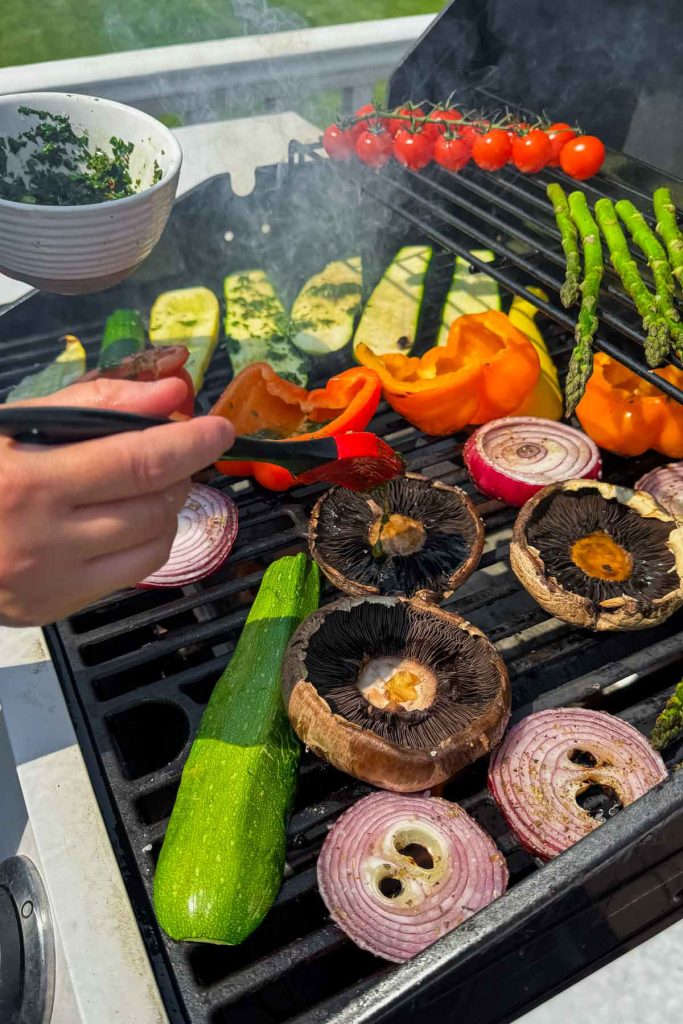
Grilling vegetables on your built-in grill can turn simple veggies into a delicious, smoky treat. If you’ve ever wondered how to get that perfect char and flavor without overcooking or drying them out, you’re in the right place.
This guide will help you unlock the full potential of your grill and make your veggies the star of every meal. Ready to impress your family and friends with easy, mouth-watering grilled vegetables? Keep reading, and you’ll discover tips and tricks that will transform your grilling game.
Credit: www.theexaminernews.com
Choosing Vegetables
Grilling vegetables brings out their natural flavors and adds a smoky taste. Picking the right vegetables is key for a great grilled dish.
Some vegetables grill better than others because of their texture and water content. Choose veggies that hold up well on the heat.
Best Vegetables For Grilling
Vegetables with firm textures and low water content work best on the grill. They stay intact and develop good grill marks.
- Zucchini and summer squash
- Bell peppers
- Asparagus
- Mushrooms
- Eggplant
- Onions
- Carrots
- Corn on the cob
Avoid very leafy or watery vegetables like lettuce or cucumber. They can wilt or burn quickly on the grill.
Preparing Vegetables For The Grill
Cut vegetables into even pieces so they cook at the same speed. Larger pieces hold moisture better on the grill.
Brush vegetables with oil to prevent sticking. Light seasoning with salt and pepper enhances flavor without overpowering.
- Slice zucchini and squash lengthwise
- Cut bell peppers into large strips
- Trim asparagus ends
- Leave mushrooms whole or halved
- Slice eggplant into thick rounds
- Peel and cut carrots into sticks
- Soak wooden skewers in water if using
Setting Up The Built-in Grill
Grilling vegetables on a built-in grill needs proper setup. Clean and prepare the grill for even cooking.
Adjusting the heat zones helps control the cooking speed. This prevents burning and ensures crisp, tender vegetables.
Cleaning And Preheating
Start by removing any leftover food or ash. Use a grill brush to clean the grates well. This stops old flavors from mixing with your vegetables.
- Turn on the grill to high heat for 10 minutes.
- Brush the grates again to clear any stuck residue.
- Let the grill cool to medium heat before placing vegetables.
Adjusting Heat Zones
Divide your grill into different heat areas. Use high heat for quick searing and medium or low heat for gentle cooking.
| Heat Zone | Purpose | Temperature Range |
| High Heat | Sear vegetables quickly | 450°F – 550°F (232°C – 288°C) |
| Medium Heat | Cook vegetables evenly | 350°F – 450°F (177°C – 232°C) |
| Low Heat | Keep vegetables warm | 250°F – 350°F (121°C – 177°C) |
Grilling Techniques
Grilling vegetables on a built-in grill is simple and tasty. You can use different ways to cook them well.
Using the right grilling technique helps vegetables cook evenly and taste great.
Direct Vs Indirect Heat
Direct heat means placing vegetables right over the flame. It cooks fast and gives nice grill marks.
Indirect heat means placing vegetables away from the flame. It cooks slower and avoids burning.
- Use direct heat for quick cooking vegetables like peppers and zucchini.
- Use indirect heat for thicker vegetables like potatoes and corn.
- Turn vegetables often on direct heat to prevent burning.
- Cover the grill when using indirect heat to keep the heat inside.
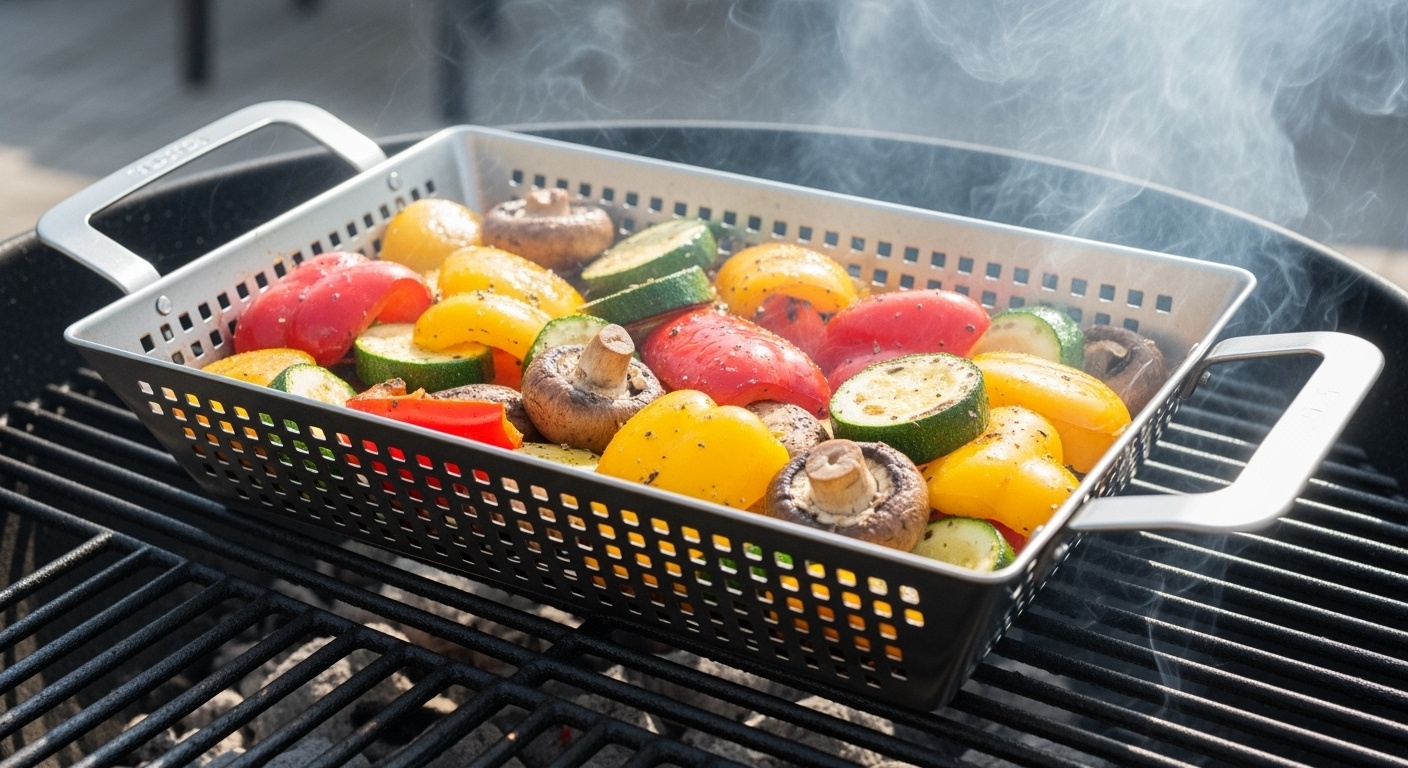
Using Skewers And Grill Baskets
Skewers hold small pieces of vegetables together. This makes turning easier on the grill.
Grill baskets hold loose vegetables. They stop vegetables from falling through the grates.
- Use metal or soaked wooden skewers for safety.
- Thread vegetables tightly but leave space for heat.
- Fill grill baskets loosely for even cooking.
- Shake or stir vegetables in baskets to cook all sides.

Credit: sohappyyoulikedit.com
Seasoning And Marinating
Grilling vegetables on a built-in grill tastes better with good seasoning. Marinating adds extra flavor and keeps veggies juicy.
Simple seasonings bring out the natural taste of vegetables. Marinating helps the flavors sink in before grilling.
Simple Marinades
Use easy marinades made from oil, acid, and seasonings. Olive oil and lemon juice are great bases for vegetable marinades.
Mix ingredients and soak vegetables for at least 30 minutes. This gives them a fresh and tasty flavor before grilling.
- Olive oil, lemon juice, garlic, salt
- Balsamic vinegar, honey, mustard
- Soy sauce, sesame oil, ginger
- Yogurt, curry powder, lime juice
Herbs And Spices For Flavor
Fresh herbs and spices add depth to grilled vegetables. Use herbs like rosemary, thyme, or basil to enhance taste.
Spices such as paprika, cumin, and black pepper give a warm, smoky flavor. Sprinkle them before or after grilling.
- Fresh herbs: rosemary, thyme, basil, oregano
- Spices: paprika, cumin, black pepper, chili flakes
- Salt and garlic powder for basic flavor
- Mix herbs and spices to create your own blend
Timing And Doneness
Grilling vegetables needs careful timing to get the best taste and texture.
Cooking too long can make vegetables mushy, while too short leaves them hard.
Grill Times For Common Vegetables
| Vegetable | Grill Time | Heat Level |
| Asparagus | 4-6 minutes | Medium-high |
| Bell Peppers | 8-10 minutes | Medium |
| Zucchini | 6-8 minutes | Medium |
| Mushrooms | 5-7 minutes | Medium-high |
| Eggplant | 7-10 minutes | Medium |
| Onions | 10-12 minutes | Medium |
Checking For Perfect Texture
- Look for grill marks that are dark but not burnt.
- Use a fork to test tenderness; it should pierce easily.
- Vegetables should still feel firm, not mushy.
- Remove from grill as soon as desired texture is reached.
- Rest vegetables briefly before serving to keep juices.

Credit: sohappyyoulikedit.com
Serving Ideas
Grilled vegetables taste great on their own. You can also serve them with other foods to make a full meal.
Here are some ideas on how to combine grilled vegetables and what sauces and sides to serve with them.
Combining Grilled Vegetables
Mix different grilled vegetables for a colorful plate. Use a variety of shapes and flavors to keep it interesting.
Combine vegetables like zucchini, bell peppers, eggplant, and mushrooms. This mix adds texture and taste.
- Slice vegetables evenly for consistent cooking
- Use a mix of soft and firm vegetables
- Add fresh herbs for extra flavor
- Serve warm or at room temperature
Pairing With Sauces And Sides
Sauces add moisture and enhance the flavor of grilled vegetables. Choose light and fresh options.
Serve grilled vegetables with simple sides to balance the meal. Grains, breads, or proteins work well.
- Tzatziki or yogurt sauce
- Balsamic glaze or vinaigrette
- Hummus or baba ganoush
- Rice, quinoa, or couscous
- Grilled chicken or fish
- Crusty bread or flatbreads
Troubleshooting Common Issues
Grilling vegetables on a built-in grill is simple but can cause problems. Some common issues include burnt vegetables and food sticking to the grill.
Fixing these problems helps make your grilled vegetables taste better and look great. Use these tips to improve your grilling experience.
Avoiding Burnt Vegetables
Vegetables burn easily if the grill is too hot or if you leave them too long. Use medium heat to cook vegetables slowly and evenly.
Cut vegetables into similar sizes so they cook at the same time. Turn them often to stop burning on one side.
- Set grill to medium heat
- Cut vegetables evenly
- Turn vegetables every 2-3 minutes
- Watch vegetables closely while cooking
Preventing Sticking
Vegetables stick to the grill if the surface is dirty or dry. Clean the grill grates before cooking to avoid sticking.
Brush vegetables lightly with oil to create a barrier. Use a grill basket or skewers for small or delicate pieces.
- Clean grill grates well before use
- Brush vegetables with oil
- Use grill basket or skewers
- Do not move vegetables too soon after placing
Frequently Asked Questions
How Do You Prepare Vegetables For Grilling?
To grill vegetables, wash and cut them into uniform pieces. Season with olive oil, salt, and pepper. Preheat your grill to medium-high heat. This ensures even cooking and enhances their natural flavors.
What Vegetables Are Best For Grilling?
Bell peppers, zucchini, mushrooms, and asparagus are perfect for grilling. They hold their shape and absorb flavors well. These vegetables are nutritious and offer a variety of textures and tastes when grilled.
How Long Should Vegetables Be Grilled?
Grill vegetables for 5-10 minutes, turning occasionally. Cooking time depends on the vegetable’s thickness. Keep an eye on them to prevent burning. They should be tender yet slightly charred.
Can You Grill Vegetables Without Foil?
Yes, you can grill vegetables directly on the grates. Use a grill basket for smaller pieces to prevent falling through. Direct grilling enhances the smoky flavor and adds attractive grill marks.
Conclusion
Grilling vegetables on a built-in grill is simple and fun. Start with fresh veggies and cut them evenly. Keep the grill clean and preheated for best results. Use a light oil and season to your taste. Turn the vegetables often to avoid burning.
Enjoy the smoky flavor and healthy meal you create. With practice, your grilling skills will improve quickly. Give it a try and enjoy delicious grilled vegetables anytime.