
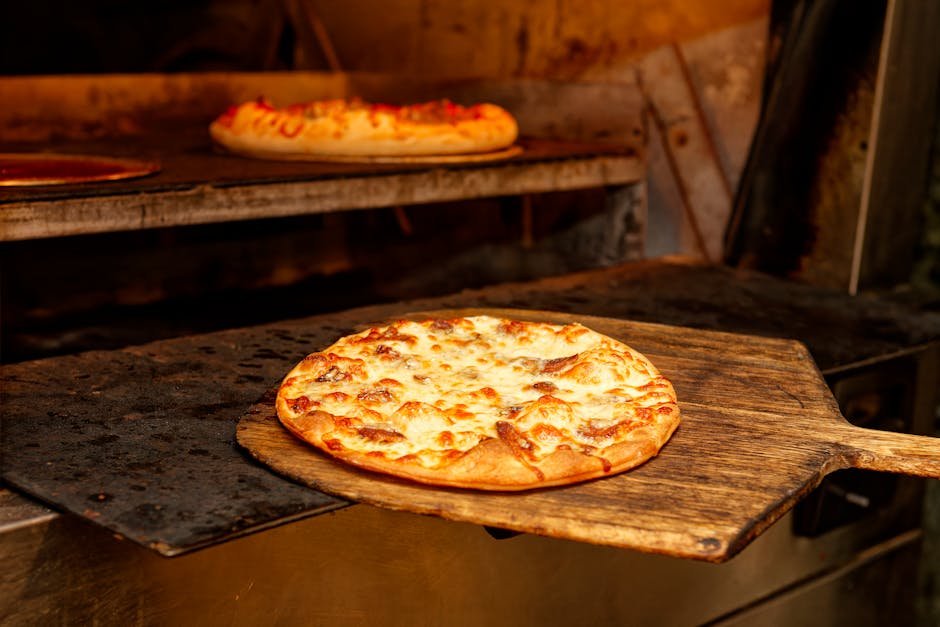
Imagine biting into a slice of pizza with a crust that’s perfectly crispy, holding just the right amount of toppings. Sounds irresistible, right?
If you’ve been struggling to achieve that perfect crunch when using your pizza stone grill, you’re not alone. Achieving that golden, crispy crust can feel like a mystery. But don’t worry—you’re about to discover the secrets to nailing it every single time.
You’ll learn the simple techniques and insider tips to transform your homemade pizza into a gourmet delight. Get ready to impress your taste buds and your dinner guests with a crust that’s as satisfying to hear as it is to taste. Ready to become a pizza crust master? Let’s dive in!
Choosing The Right Pizza Stone
Pizza stonescome in different materials. Common types include cordierite, ceramic, and cast iron. Cordierite heats evenly and resists cracking. Ceramic stones absorb moisture well but can break easily. Cast iron stones heat fast and hold heat longer.
Size and thicknessaffect how the stone cooks pizza. Larger stones hold heat better and fit more pizzas. Thicker stones stay hot longer but take more time to heat up. Thin stones heat quickly but cool down fast.
Pre-seasoned stoneshave a coating to stop food from sticking. Unseasoned stones need to be seasoned before use. Seasoning helps create a non-stick surface and protects the stone from moisture.
Preparing Your Pizza Stone
Cleaning your pizza stoneis key for a crispy crust. Use a stiff brush or plastic scraper to remove food bits. Avoid soap; it can soak into the stone and cause bad taste. Rinse with warm water and let it dry fully before use.
Regular maintenancehelps your stone last longer. After each use, remove leftover crumbs and stains. Store the stone in a dry place to prevent cracking.
Preheating the pizza stone is very important. Place the stone in a cold oven and heat it to the highest temperature. This usually takes 30-45 minutes. A hot stone cooks the dough quickly, creating a crunchy crust.
Avoid thermal shockto prevent cracks. Never put a cold stone into a hot oven. Also, avoid adding cold water to a hot stone. Let the stone cool down slowly before cleaning or moving it.
Setting Up The Grill
Gas grills heat up quickly and offer easy temperature control. Charcoal grills give a smoky flavor but need more time to reach the right heat. Both can work well with a pizza stone.
Keep the grill temperature steady at about 500°F for the best crust. Use a grill thermometer to check heat levels often. Avoid very high heat to stop burning the crust.
Heat deflectors help spread heat evenly under the pizza stone. They block direct flames, which stops hot spots. Place the deflector below the stone for gentle, even heat.

Credit: sipbitego.com
Dough Tips For Crispy Crust
Hydration levelsin dough affect crust crispiness. Use water amounts between 60% and 65% of flour weight for best texture. Too much water makes dough sticky and soft. Too little water causes a dry, tough crust.
Resting and proofinglet dough develop flavor and structure. Rest dough for 1 to 2 hours at room temperature. Longer proofing helps air pockets form, making the crust light and crisp.
Stretching techniquesinfluence crust thickness and texture. Gently stretch dough by hand, avoiding a rolling pin. This keeps air bubbles intact for a crispier crust. Avoid pressing out all the air.
Cooking Process On Pizza Stone Grill
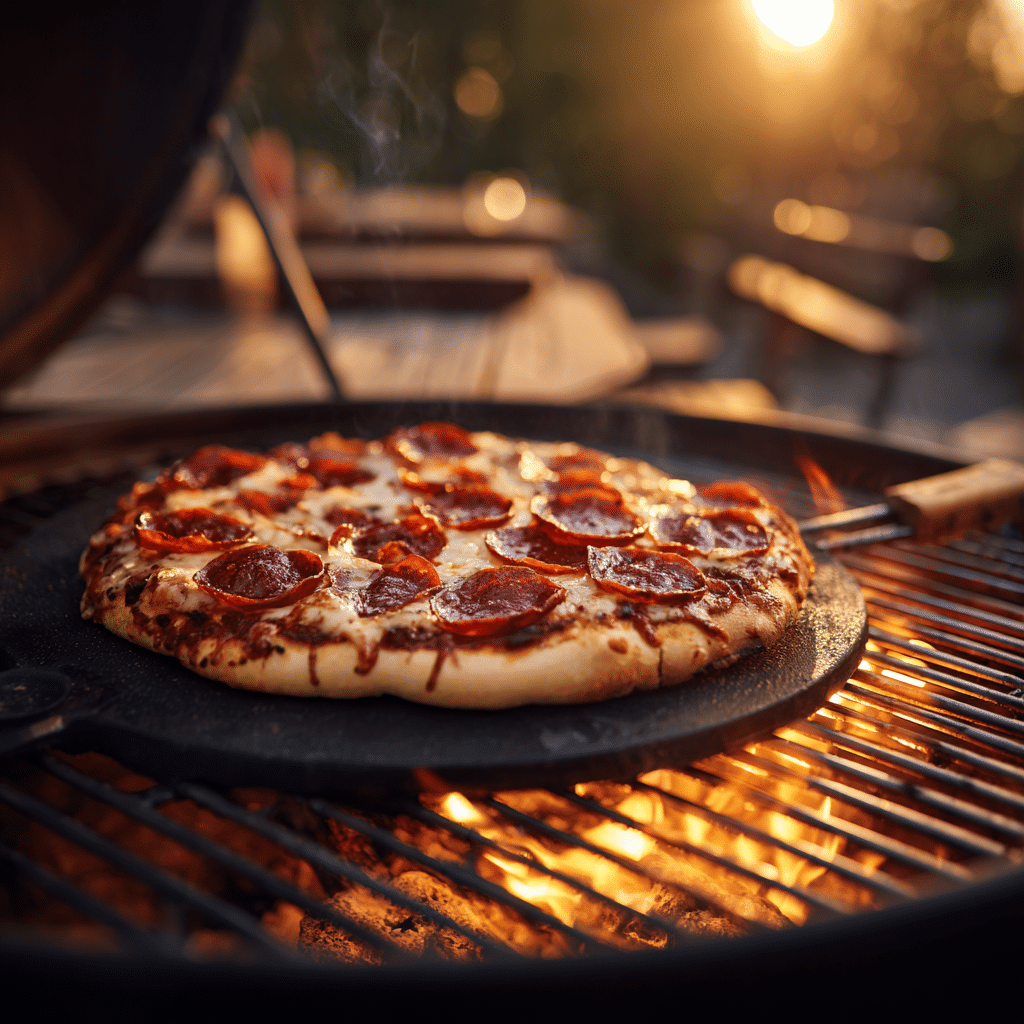
Place the pizza in the center of the stone for the best heat. The middle gets the most even heat, making the crust crispy. Avoid putting the pizza too close to the edges where heat is less strong.
Keep an eye on the cooking time. Usually, it takes about 8-12 minutes. Check the pizza often to stop burning. Each oven and stone is different, so timing may change.
Turn the pizza halfway through cooking. This helps all sides cook evenly. Rotating the pizza avoids hot spots and ensures a crispy crust all around.
Credit: www.easycookedrecipes.com
Common Mistakes To Avoid
Avoid placing cold dough directly on the hot stone, as it can cause uneven cooking. Using too low heat will result in a soft crust instead of crispy. Make sure the pizza stone is fully preheated before baking for best results.
- Overloading toppingsmakes the crust soggy and soft. Use fewer toppings.
- Insufficient preheatingstops the stone from getting hot enough. Preheat the stone for at least 30 minutes.
- Using wet ingredientsadds moisture to the pizza. Pat dry vegetables and use thick sauces.
Enhancing Flavor And Texture
Sprinkle cornmealor flouron the pizza stone before placing the dough. This stops the dough from sticking and helps create a crispy crust. Cornmeal adds a slight crunch, while flour gives a smooth texture.
To add a smoky flavor, use wood chips or smoked spices near the grill. The smoke clings to the pizza, giving it a tasty, grilled aroma. Keep the grill lid closed to trap the smoke inside.
After baking, brush the crust lightly with olive oilor garlic butter. This adds a nice shine and extra flavor. Let the pizza rest for a few minutes so the crust stays firm and crunchy.
Cleaning And Storing Your Pizza Stone
After cooking, let the pizza stone cool down naturally. Avoid using soap or harsh cleaners to preserve its porous surface. Instead, scrape off stuck food with a plastic or wooden spatula. Rinse the stone with warm water and dry it fully before storing. Never soak the stone or put it in a dishwasher.
For long-term storage, keep the stone in a dry place. Avoid stacking heavy items on top to prevent cracks. Wrapping the stone in a cloth can protect it from dust and damage.
Regular cleaning and proper storage extend the pizza stone’s life. Avoid rapid temperature changes that can cause breaking. Treat the stone gently to keep it working well for many pizzas to come.
Credit: www.pitboss-grills.com
Frequently Asked Questions
How Hot Should The Pizza Stone Grill Be?
Preheat your pizza stone grill to 500°F or higher. High heat ensures a crispy crust by quickly cooking the dough’s exterior while keeping the inside soft and chewy.
How Long To Preheat A Pizza Stone Grill?
Preheat the pizza stone grill for at least 30-45 minutes. This allows the stone to absorb and retain enough heat for an evenly crispy crust.
Can I Use Flour Or Cornmeal On The Stone?
Yes, sprinkle flour or cornmeal on the stone to prevent sticking. Cornmeal adds extra crunch and helps slide the pizza off easily without tearing the crust.
How To Avoid Soggy Pizza Crust On Stone Grill?
Use minimal sauce and avoid watery toppings. Preheat the stone thoroughly, and bake the pizza directly on it to absorb moisture and achieve a crispy crust.
Conclusion
Getting a crispy crust on a pizza stone grill is simple with the right steps. Preheat the stone well for even heat. Use a thin layer of dough for quick crispiness. Avoid adding too many toppings that make the crust soggy.
Rotate the pizza during cooking for a uniform bake. Clean the stone after use to keep it working well. These tips help you enjoy delicious, crispy pizza every time. Try them out and taste the difference. Your homemade pizza will impress friends and family.