
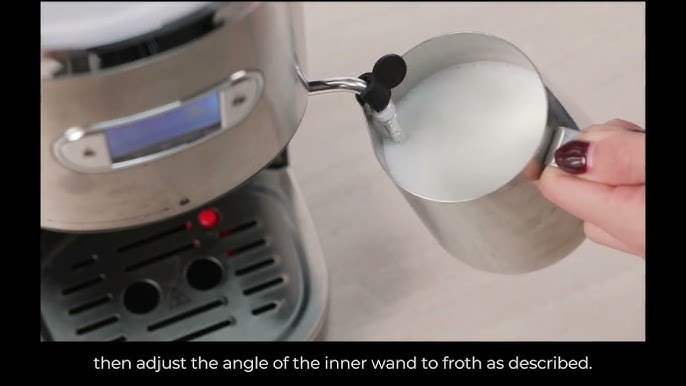
Want to make café-quality drinks right at home? Learning how to froth milk with your espresso machine can transform your coffee routine instantly.
Imagine creating creamy lattes and rich cappuccinos that taste like they came from your favorite coffee shop. In this guide, you’ll discover simple steps to master milk frothing, even if you’re a beginner. By the end, you’ll have the confidence to impress yourself—and your guests—with every cup.
Ready to unlock the secret to perfect froth? Let’s dive in!
Credit: www.acouplecooks.com
Choosing The Right Milk
Whole milkcreates the creamiest and richest froth. It has a good balance of fat and protein. These help to form a smooth texture and sweet taste. Alternativeslike skim, almond, or soy milk froth differently. Skim milk makes a lighter, airier foam but less creamy. Plant-based milks vary; some froth well while others stay flat.
Milk temperature is key. Milk should be heated to about 140-150°F (60-65°C). Warmer milk tastes sweeter and froths better. Too hot milk loses sweetness and texture. Use a thermometer or touch test to check. Warm but not boiling is best for frothing.

Credit: venezianocoffee.com.au
Preparing Your Espresso Machine
Cleaning the steam wand is essentialbefore frothing milk. Residue from old milk can block the wand and affect froth quality. Use a damp cloth to wipe the wand after each use. Purge the wand by releasing steam for a few seconds to clear any milk inside.
Setting the correct pressure helps create smooth and creamy foam. Most machines work best around 1.0 to 1.5 barsof steam pressure. Too much pressure can cause large bubbles; too little pressure creates weak froth. Check your machine’s manual to adjust settings properly.
Step-by-step Frothing Process
Fill the pitcher with cold milk. Use only enough milk for your cup size. Leave space for milk to expand.
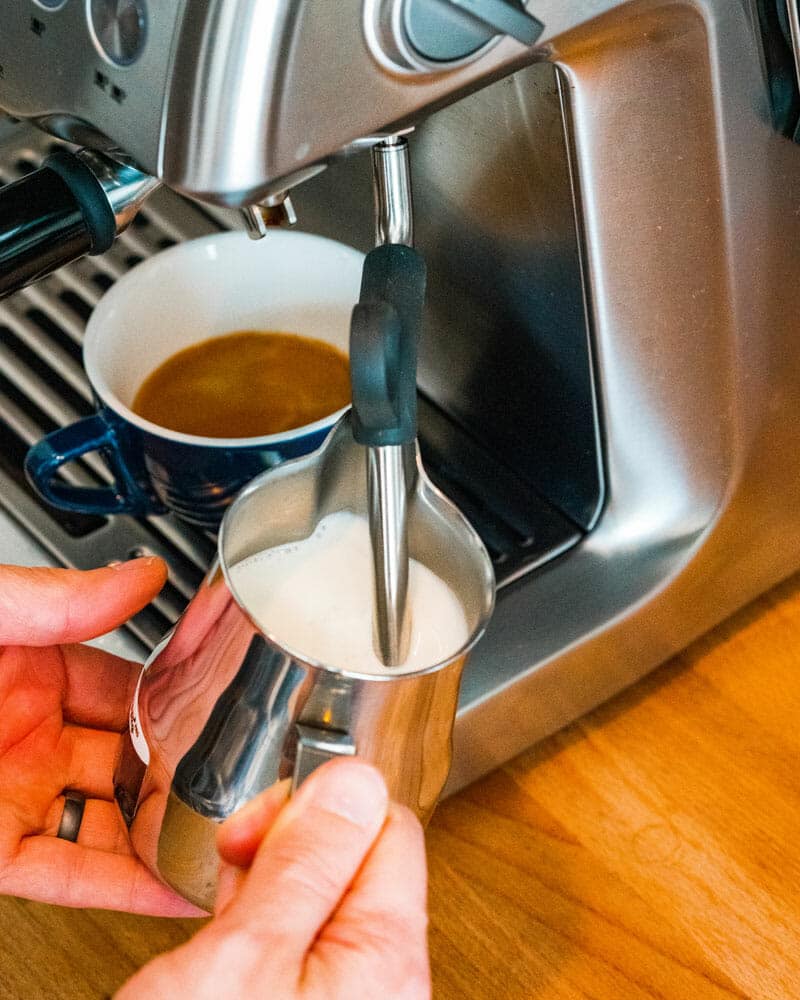
Place the steam wand just below the milk surface. Tilt the pitcher slightly for better control. Keep the wand near the side to create a whirlpool.
Turn on the steam to start frothing. Listen for a light hissing sound, not a loud roar. Move the pitcher down slowly as foam grows.
Stop steaming when the pitcher feels warm, about 65°C (150°F). Wipe the steam wand with a clean cloth. Tap the pitcher gently on the counter to remove big bubbles. Swirl the milk to mix foam and liquid.

Credit: kyivcityroast.com.ua
Common Mistakes To Avoid
Overheating the milkcan ruin its taste and texture. Milk should never go above 150°F (65°C). Hot milk loses sweetness and can taste burnt. Use a thermometer or feel the container; it should be warm but not too hot. Let the milk cool slightly if it feels too warm.
Incorrect wand placementcauses poor froth. The steam wand should be just below the milk surface. Too deep and it creates big bubbles; too shallow and it sprays milk everywhere. Move the pitcher slowly to keep the steam steady. Proper placement makes smooth, creamy froth.
Tips For Perfect Texture
Silky foamneeds the right temperature and technique. Use cold milk and a clean steam wand. Start with the wand just below the surface of the milk. Create small bubbles by moving the pitcher slightly. This adds air gently and makes the foam smooth. Keep the milk under 150°F to avoid burning it.
Practice and patienceare key. It takes time to feel the right texture. Watch the milk’s shine and swirl. Stop steaming when it looks glossy and thick. Pour slowly to mix the foam with the espresso. Each try helps improve your skill.
Cleaning And Maintenance
Frothing milk with an espresso machine involves heating and aerating milk to create a creamy texture. Start by filling the milk jug halfway and positioning it under the steam wand. Turn on the steam and move the jug in a circular motion until the milk reaches the desired frothiness.
Post-frothing Cleanup
Always clean the milk frother after each use. This prevents milk buildup. Use a damp cloth to wipe the frother. Remove the steam wand and rinse it. Dry everything with a soft towel. Cleaning after each use keeps the machine working well. It also makes the milk taste better.
Regular Machine Care
Descale the espresso machine every month. This removes any mineral deposits. Check the machine’s manual for instructions. Use only approved cleaning solutions. Clean the drip tray and empty it often. Wipe the exterior with a damp cloth. Keep the machine in a dry place. Regular care extends the machine’s life.
Frequently Asked Questions
How Do You Froth Milk With An Espresso Machine?
Start with cold milk in a metal pitcher. Purge the steam wand, then submerge it just below the milk surface. Turn on steam to create foam, moving the pitcher to mix air and heat evenly. Stop when milk reaches 150°F for best texture.
What Type Of Milk Froths Best For Espresso?
Whole milk froths best due to its fat content, creating creamy, rich foam. However, 2% milk also works well and produces a lighter foam. Non-dairy milks like oat and almond can froth but may require different techniques.
How Long Should You Froth Milk For Espresso?
Froth milk for about 20 to 30 seconds until it doubles in volume. Avoid overheating to prevent burning the milk. Aim for a silky, smooth microfoam texture ideal for espresso drinks like lattes and cappuccinos.
Can You Froth Milk Without A Steam Wand?
Yes, you can froth milk using a French press or handheld frother. Heat milk separately, then pump the French press plunger or use the frother to create foam. It won’t be as creamy as steam froth but works well.
Conclusion
Frothing milk with an espresso machine takes practice and patience. Start with cold milk and clean equipment for best results. Keep your steam wand just below the surface to create creamy foam. Listen for a steady hissing sound; it means you’re doing well.
Remember, each machine works a bit differently, so adjust as needed. Enjoy your smooth, frothy milk in lattes or cappuccinos. With time, your drinks will taste just like your favorite coffee shop. Keep trying, and soon frothing milk will feel easy and fun.