
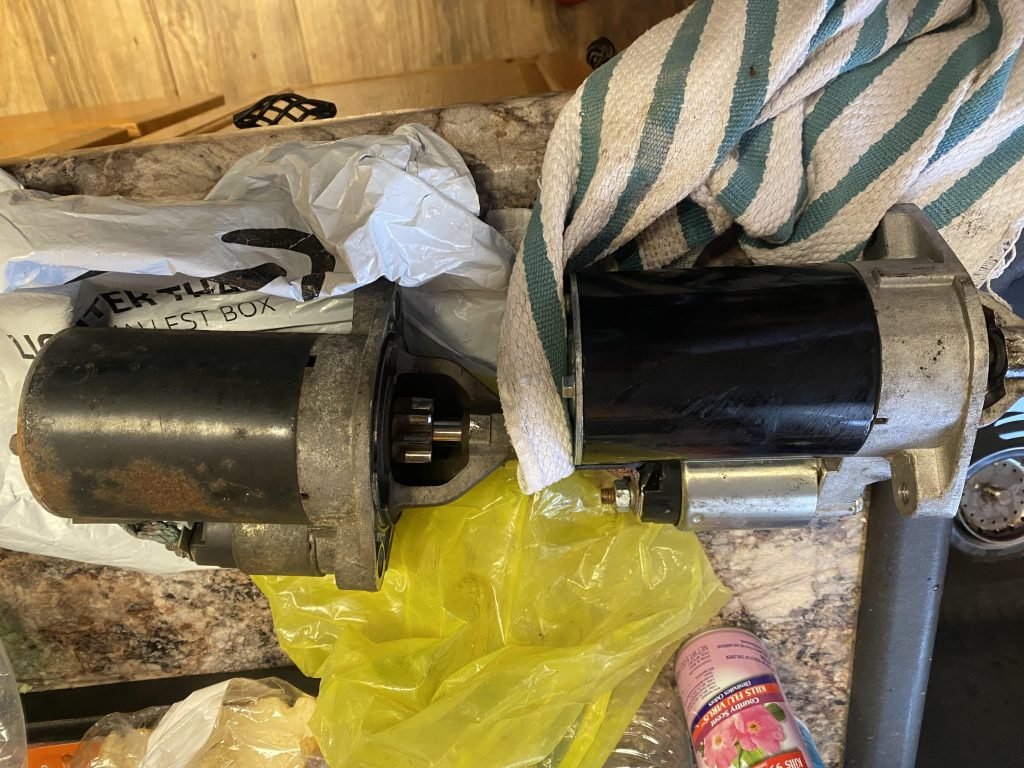
Have you ever turned your key, only to hear a harsh grinding noise coming from your car? That unsettling sound can make you worry about costly repairs or getting stuck somewhere unexpected.
But don’t panic—fixing that starter grinding noise is often simpler than you think. You’ll discover easy steps to identify the cause and quiet that noise for good. Keep reading, and you’ll be back on the road with confidence in no time.
Credit: www.e46fanatics.com
Causes Of Starter Grinding Noise
Worn starter drive gearoften causes grinding noise. The gear teeth wear out and fail to mesh properly with the flywheel. This creates a rough sound during engine start.
Damaged flywheel teethcan also lead to grinding. Broken or missing teeth stop smooth engagement with the starter gear. This results in a harsh grinding noise.
Loose starter mountingmakes the starter misalign with the flywheel. This misalignment causes the gears to grind instead of fitting together smoothly. Tightening the mounting bolts can help.
Electrical issuessuch as low battery voltage or bad wiring can cause slow starter motor speed. Slow speed leads to poor gear engagement and grinding noise. Checking the battery and connections is important.
Credit: forum.ih8mud.com
Diagnosing The Problem
Pay close attention to the type of grinding noisewhen starting your car. A loud, harsh sound often means the starter gear is not engaging properly with the flywheel. Sometimes the noise lasts only a second; other times, it continues while the key is turned.
Check the starter componentslike the pinion gear and the flywheel teeth. Look for signs of wear, damage, or missing teeth. Worn gears cause the starter to grind and fail to turn the engine smoothly.
Inspect all electrical connectionsto the starter. Loose or corroded wires can cause weak power delivery, making the starter struggle and produce grinding sounds. Ensure battery terminals and starter cables are clean and tight.
Quick Fixes For Grinding Noise
Tightening starter boltshelps stop loose parts that cause grinding noise. Use a wrench to check all bolts. Turn them until tight but not too hard. Loose bolts can make the starter rub against the flywheel.
Cleaning starter and flywheelremoves dirt and grime. Dirt buildup can block parts from working well. Use a clean cloth and some brake cleaner. Wipe gently to remove grease and dust. Clean parts fit and move better.
Adjusting starter alignmentensures the starter gear fits the flywheel properly. Misalignment causes grinding sounds. Loosen bolts slightly, move the starter a bit, and tighten bolts again. Test by starting the engine. The noise should reduce or stop.
When To Replace Parts
Starter drive gear replacementis needed if the gear teeth are worn or damaged. This causes a grinding sound when starting the engine. A worn gear will not engage properly with the flywheel.
Flywheel repair or replacementbecomes necessary if the flywheel teeth are chipped or broken. The flywheel teeth mesh with the starter gear, and damage here causes noise and poor starting. Sometimes, the flywheel can be resurfaced; other times, it must be replaced.
Starter motor replacementis required if the motor itself is faulty. Signs include slow cranking, unusual noises, or failure to start. Replacing the starter motor can solve persistent grinding sounds caused by internal wear or electrical failure.
Preventive Maintenance Tips
Regular inspections help catch problems early. Check the starter and surrounding parts often. Look for signs of wear or damage. Tighten loose connections to avoid grinding noises.
Proper starter usage extends its life. Avoid holding the key too long when starting. Start the engine smoothly and release the key once it fires. This prevents unnecessary strain on the starter gear.
Keeping electrical systems clean is very important. Dirt and corrosion cause bad connections and noise. Clean battery terminals and cables with a wire brush. Ensure all contacts are dry and free of rust.

Credit: www.reddit.com
Frequently Asked Questions
What Causes Starter Grinding Noise In Cars?
Starter grinding noise usually occurs due to worn-out starter gear teeth or a misaligned starter motor. It can also result from a damaged flywheel or electrical issues affecting starter engagement.
How Can I Stop My Starter From Grinding?
To stop starter grinding, inspect and replace worn starter gears or flywheel teeth. Ensure proper starter alignment and check electrical connections for smooth engagement.
Is Starter Grinding Noise Harmful To My Vehicle?
Yes, starter grinding can damage the flywheel and starter motor. Ignoring it may lead to costly repairs and affect your vehicle’s starting reliability.
Can I Fix Starter Grinding Noise Myself?
If you have mechanical skills, you can replace worn parts and align the starter. Otherwise, it’s best to seek professional automotive repair to avoid further damage.
Conclusion
Starter grinding noise can signal a problem with your car’s starting system. Fixing it early saves you from bigger issues later. Check the starter gear and flywheel for damage. Tighten loose parts and replace worn components. Regular maintenance helps keep your starter working well.
Don’t ignore strange sounds; they tell you something needs attention. With simple steps, you can stop the grinding noise fast. Keep your vehicle running smooth and avoid costly repairs down the road.