

Is your meat thermometer giving you questionable readings? There’s nothing more frustrating than trying to prepare a perfectly cooked meal only to be sabotaged by an inaccurate device.
Whether you’re a seasoned chef or just grilling up some weekend burgers, you rely on your meat thermometer to ensure your dishes are cooked to perfection. But when it starts showing inconsistent temperatures, it can lead to undercooked or overcooked meals, leaving you and your guests disappointed.
Don’t let this small hiccup ruin your culinary adventures. You’ll discover simple, effective ways to troubleshoot and fix your inaccurate meat thermometer, so you can confidently serve up deliciously cooked meals every time. Keep reading to reclaim control of your kitchen tools and impress with your cooking precision!
Common Causes Of Inaccuracy
Calibration issueshappen when the thermometer is not set right. This causes wrong temperature readings. Regularly calibrate your device using ice water or boiling water tests. This simple step keeps your readings accurate.
Battery problemsmay cause the screen to flicker or show wrong numbers. Weak batteries reduce power and affect performance. Check the battery level often and replace old batteries promptly.
Probe damagecan cause false readings. Bent, broken, or dirty probes do not work well. Always clean the probe after use and inspect it for damage before cooking.
Environmental factorslike extreme heat or cold can affect the thermometer’s accuracy. Avoid exposing it to direct flames or very cold temperatures for long times. Store it in a safe, dry place.

Credit: www.epicurious.com
Calibrating Your Meat Thermometer
Fill a glass with ice and add cold water. Stir well to make it very cold. Insert the meat thermometer’s probe into the ice water. Wait about 30 seconds. The thermometer should read 32°F (0°C). If it does not, adjust the dial or digital reading to match this temperature.
Boil a pot of water. Once boiling, insert the thermometer probe into the water. Keep it away from the pot’s sides or bottom. The thermometer should read 212°F (100°C)at sea level. Adjust if the reading is off.
For digital thermometers, check the user manual for calibration steps. Usually, pressing a reset or calibration button works. Some models allow you to adjust the temperature reading manually. Use the ice water and boiling water tests to confirm accuracy after adjustment.
Replacing Or Fixing The Battery
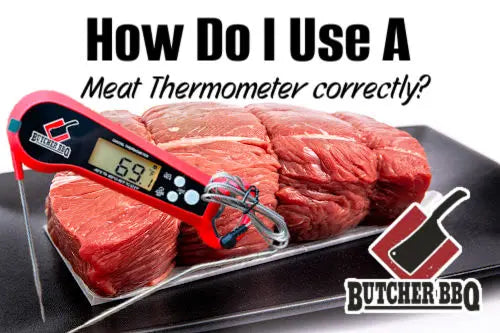
Check the battery lifeby turning on the thermometer. If it does not power up or shows a weak reading, the battery may be dead or low. Replace with a fresh battery of the same type.
To replace the battery, first open the battery compartment. Remove the old battery carefully. Insert the new battery with correct polarity. Close the compartment securely.
- Store the thermometer in a dry place to avoid battery damage.
- Remove the battery if the device will not be used for a long time.
- Regularly check the battery to ensure accurate readings.
Credit: butcherbbq.com
Inspecting And Repairing The Probe
Check the probe carefully for any bends, cracks, or breaks. A damaged probe can cause wrong readings. Look for any rust or dirt that might block the sensor.
Clean the probe with a soft clothand mild soap. Avoid using sharp tools or harsh chemicals. Dry it well before using it again. Dirt or grease can stop the probe from working well.
| When to Replace the Probe | Signs |
|---|---|
| Physical Damage | Cracks, bends, or broken parts |
| Consistent Inaccurate Readings | Calibration does not fix errors |
| Rust or Corrosion | Cleaning no longer helps |
Avoiding Environmental Errors
Keep the thermometer away from direct heat sources.Heat from grills, ovens, or pans can cause false high readings. Always check the thermometer’s placement before measuring.
Insert the probe into the thickest part of the meat.Thin parts may cook faster, giving a wrong temperature. Thick parts show the real internal heat.
Avoid touching bones or fat with the probe.Bones heat up faster and fat can give a higher temperature than the meat. Place the probe in the muscle only for accurate results.
Using The Thermometer Correctly
Insert the thermometer probe into the thickest part of the meat. Avoid touching bone, fat, or gristle. These parts can give wrong temperature readings.
Wait patiently for the thermometer to show a steady number. This usually takes 10 to 20 seconds. Moving the probe too soon can cause mistakes.
- Clean the probe with warm soapy water after each use.
- Check the battery regularly if using a digital thermometer.
- Calibrate the thermometer at least once a month to ensure accuracy.
- Store the thermometer in a safe, dry place to protect it from damage.
When To Consider Replacing Your Thermometer
Signs of persistent inaccuracyinclude temperature readings that do not match other thermometers or cooking instructions. If the thermometer gives different results each time, it may be broken. A slow response or no change in temperature reading also shows problems. Damaged probes or cracks in the device are clear signs to check its accuracy.
Evaluating cost vs. replacementhelps decide if fixing or buying new is better. Repair costs can be high and may not guarantee accuracy. New thermometers often come with better features and warranties. Sometimes, buying a new one is cheaper and safer for cooking.
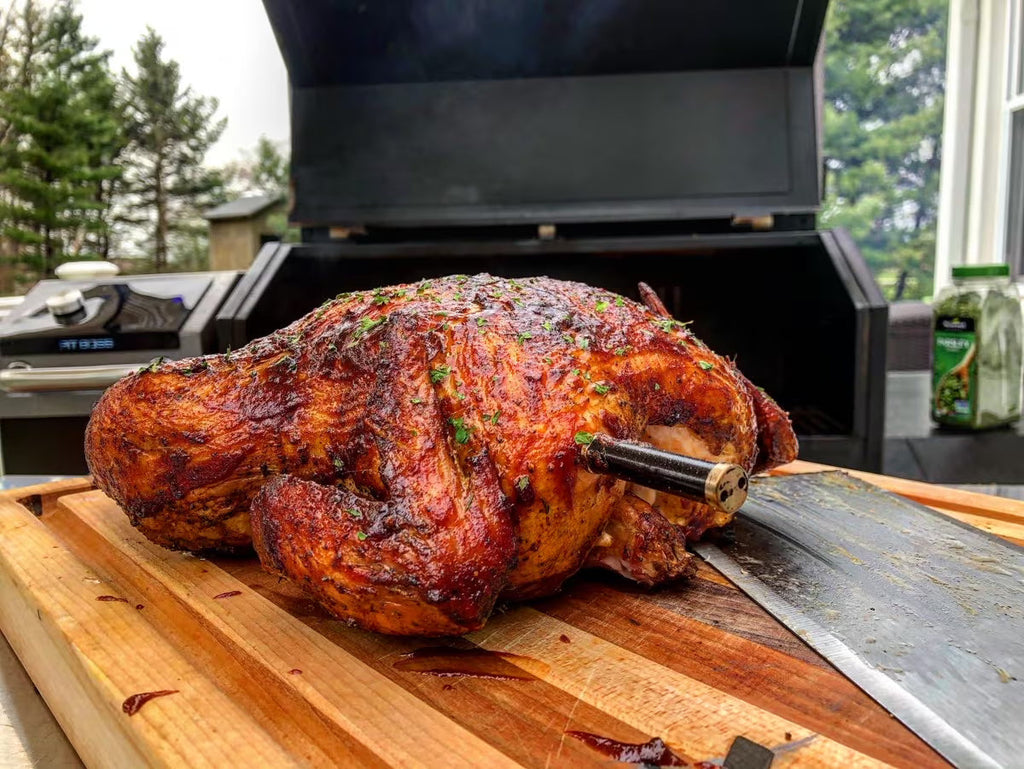
Choosing a reliable new thermometermeans looking for accuracy and easy use. Digital thermometers with quick readings are good. Check for clear displays and simple buttons. Reviews and brand reputation also matter. Pick a model with a good warranty for peace of mind.
Credit: themeatstick.com
Frequently Asked Questions
How Can I Calibrate My Meat Thermometer At Home?
To calibrate, use the ice water method. Insert the probe into ice water. Adjust the thermometer to read 32°F (0°C) for accurate readings.
Why Does My Meat Thermometer Give Inconsistent Readings?
Inconsistent readings may be due to a dirty probe, battery issues, or improper placement. Clean the probe and replace batteries for better accuracy.
How Often Should I Recalibrate My Meat Thermometer?
Recalibrate your thermometer every few months or after heavy use. Regular calibration ensures precise temperature readings and safe cooking.
Can Extreme Temperatures Damage My Meat Thermometer?
Yes, extreme heat or cold can harm the sensor. Avoid exposing your thermometer to direct flames or freezing conditions to maintain accuracy.
Conclusion
Fixing an inaccurate meat thermometer helps cook food safely. Regularly check and clean your device for best results. Calibrate it using ice water or boiling water tests. Avoid dropping or exposing it to extreme heat. A reliable thermometer ensures proper cooking and tasty meals.
Keep these tips in mind to enjoy your cooking more. Safe, well-cooked meat is always worth the effort. Simple steps bring accurate readings and peace of mind.