
Your nonstick pans make cooking and cleaning so much easier. But have you noticed that over time, the coating starts to wear off?
It’s frustrating when your favorite cookware loses its magic. What if you could keep that smooth, nonstick surface working like new for years? You’ll discover simple and effective ways to extend the life of your nonstick coating. By following these easy tips, you’ll save money, cook better, and avoid the hassle of replacing your pans too soon.
Ready to protect your kitchen’s secret weapon? Let’s dive in!
Choosing The Right Cookware
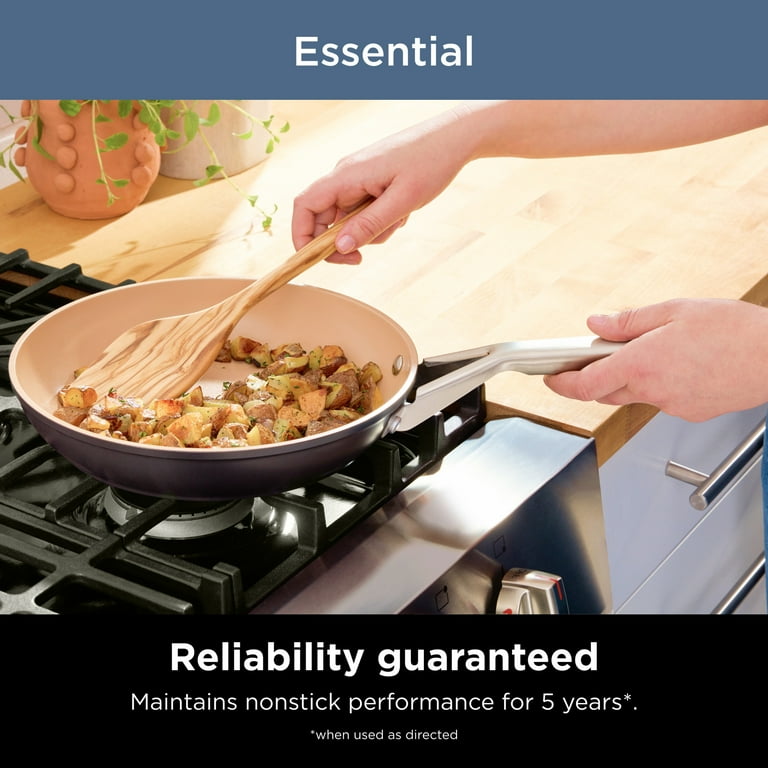
Choosing cookware with the right materialhelps protect the nonstick coating. Cookware made from aluminumis light and heats evenly. Stainless steel pans are strong but may not have good nonstick layers. Ceramic-coated pans offer a natural nonstick surface but can wear faster.
Look for cookware with a thick base. This helps spread heat evenly and stops warping. Avoid pans with very thin bottoms as they heat unevenly and can damage coatings.
| Quality Indicator | What to Check |
|---|---|
| Coating Thickness | Thicker coatings last longer and resist scratches |
| Handle Attachment | Strong, riveted handles offer better durability |
| Brand Reputation | Trusted brands usually use better materials |
| Oven Safety | Check if cookware can go in the oven safely |
Credit: www.walmart.com
Proper Usage Techniques
Avoiding high heathelps protect the nonstick surface. High temperatures can break down the coating quickly. Use low to medium heat settings. This keeps the pan safe and lasts longer.
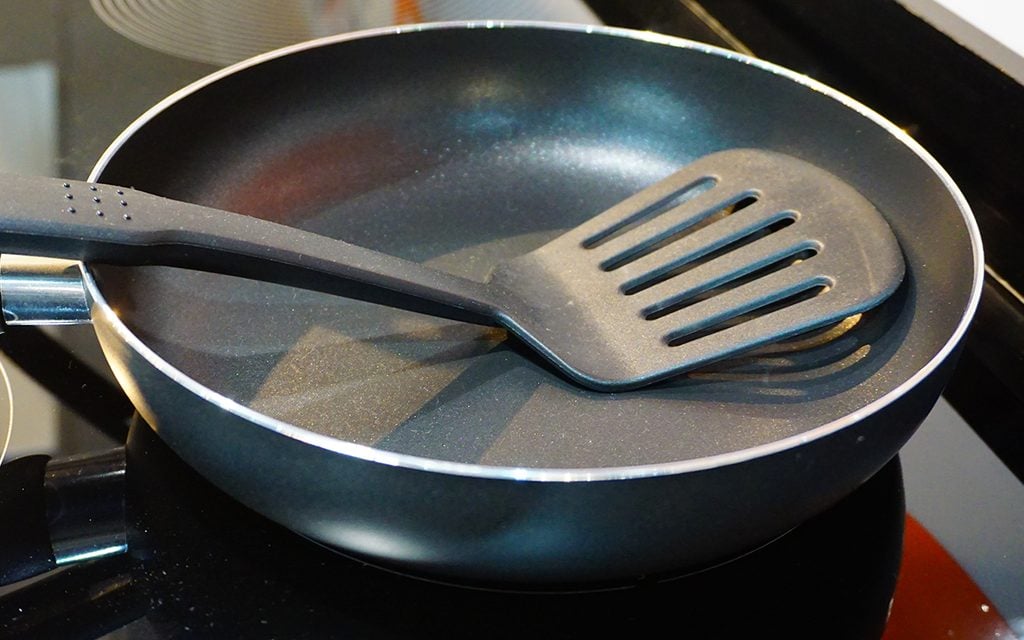
Using suitable utensilsprevents scratches. Choose wooden, silicone, or plastic tools. Metal utensils can damage the nonstick layer. Gentle tools keep the surface smooth and working well.
Effective Cleaning Methods
Use soft spongesor cloths to clean nonstick pans. Avoid rough scrubbers that can scratch the surface. A gentle touchhelps keep the coating safe and lasting longer.
Choose mild dish soapinstead of harsh cleaners. Harsh chemicals can damage the coating and reduce its lifespan. Warm water with soap is enough for most cleaning jobs.
| Cleaning Tool | Why Use |
|---|---|
| Soft sponge or cloth | Prevents scratches on the coating |
| Plastic or wooden spatula | Protects coating during cooking and cleaning |
| Non-abrasive scrubber | Removes dirt gently without damage |
| Cleaning Agent | Why Use |
|---|---|
| Mild dish soap | Effective and safe for nonstick surfaces |
| Baking soda (for tough stains) | Natural and gentle cleaner |
| Warm water | Helps loosen food without harming coating |
Credit: www.tasteofhome.com
Maintenance Practices
Regular inspection helps catch damage early. Look for scratches or chips on the nonstick surface. Use a soft cloth to wipe the pan after each use. Avoid metal utensils that can scratch the coating.
Reconditioning can bring back some nonstick power. Use a small amount of cooking oil and heat the pan gently. This can fill tiny scratches and improve release. Some products also help restore the coating, but check if they fit your pan type.
| Inspection Tips | Reconditioning Tips |
|---|---|
| Check for scratches and chips | Apply light cooking oil evenly |
| Use soft cloth to clean | Heat pan on low for a few minutes |
| Avoid metal utensils | Use recommended restoration products |
Storage Solutions
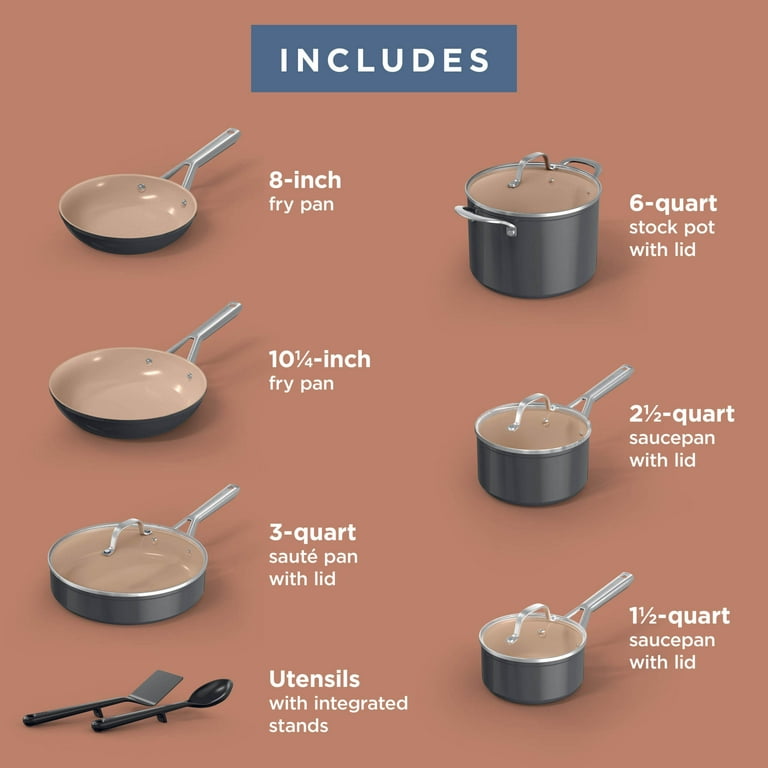
Stacking nonstick pans without protection can cause scratches. Use soft cloths or paper towels between pans to keep the coating safe. Avoid piling heavy items on top to prevent damage. Store pans in a way that keeps them dry and clean.
A safe storage environment is cool and dry. Avoid damp places to stop rust and coating wear. Keep pans away from direct sunlight, which can weaken the nonstick layer. Store in a cabinet or drawer with good air flow.
Credit: www.walmart.com
Frequently Asked Questions
How Do I Clean Nonstick Pans Properly?
Use a soft sponge and mild dish soap to clean nonstick pans. Avoid abrasive scrubbers or harsh cleaners. Hand wash gently to preserve the coating and extend its life.
Can I Use Metal Utensils On Nonstick Cookware?
No, metal utensils can scratch and damage nonstick coatings. Use wooden, silicone, or plastic utensils instead. This helps maintain the coating’s integrity and prevents peeling.
What Cooking Temperatures Are Safe For Nonstick Pans?
Avoid high heat; cook on low to medium temperatures. Excessive heat can degrade the coating and reduce its lifespan. Always follow manufacturer temperature guidelines.
How Should I Store Nonstick Cookware?
Store nonstick pans carefully to prevent scratches. Place a soft cloth or paper towel between stacked pans. This protects the coating and extends the pan’s usability.
Conclusion
Taking care of your nonstick cookware helps it last longer. Use gentle cleaning tools and avoid high heat. Cook with wooden or silicone utensils to protect the surface. Store pans carefully to stop scratches. Small habits make a big difference over time.
Enjoy cooking with your pans for many years. Simple steps keep the nonstick coating strong and safe. Keep these tips in mind for better kitchen results. Your cookware deserves good care every day.