
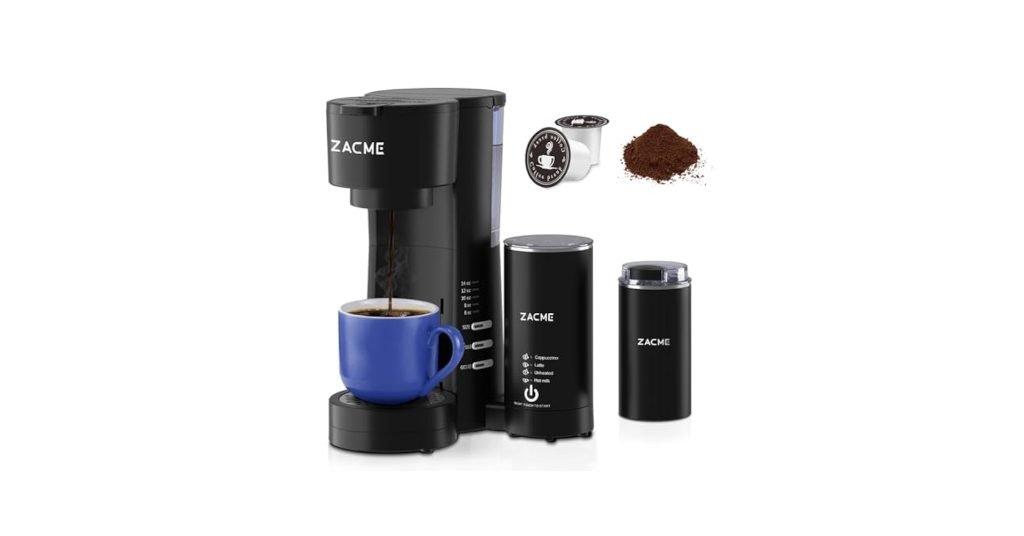
Your single-serve coffee maker is more than just a machine—it’s your daily partner in brewing that perfect cup of coffee. But what if it stopped working too soon?
You don’t want to face the frustration of a broken coffee maker right when you need your caffeine fix. The good news is, with a few simple habits, you can make your coffee maker last much longer than you might expect.
Keep reading to discover easy, effective tips that protect your investment and keep your mornings smooth and delicious.

Credit: www.keurig.ca
Daily Cleaning Routine
Rinse the coffee maker parts right after use. This stops coffee residue from hardening. Use warm water to clean the pod holder and drip tray well. Dry parts completely before putting them back.
Choose mild detergents for cleaning. Harsh chemicals can damage the machine’s surface. Use gentle soap that is safe for kitchen tools. Rinse thoroughly to avoid soap taste in coffee.
- Rinse parts immediately to avoid buildup.
- Use warm water for easy cleaning.
- Pick mild, non-abrasive detergents.
- Ensure no soap remains after washing.
- Dry all parts before reassembling.
Regular Descaling
Choosing the right descaling solution is importantto keep your coffee maker working well. Use a solution made for coffee machines or a mix of white vinegar and water. Avoid harsh chemicals that can damage the machine.
Setting a descaling schedule helps prevent clogsand build-up. Depending on water hardness, descale every 1 to 3 months. Mark the schedule on your calendar or set a reminder on your phone.
- Use filtered water to reduce mineral build-up.
- Run the descaling solution through the machine fully.
- Rinse the machine several times with clean water afterward.
Proper Water Usage
Filtered waterhelps keep your coffee maker clean and free from minerals. It stops build-up that can clog the machine and cause damage. Using filtered water also improves the taste of your coffee by removing impurities.
Hard waterhas a lot of minerals like calcium and magnesium. These minerals can cause scale to form inside the coffee maker. Scale build-up can block water flow and reduce the machine’s lifespan. Avoid using hard water to keep your coffee maker working well for longer.

Credit: megafurniture.sg
Optimal Storage Practices
Store the coffee maker in a dry placeto avoid rust and damage. Moisture can harm the machine’s parts and cause mold. Keep it away from sinks or damp areas.
Cover the machine with a cloth or plastic cover when not in use. This prevents dust and dirt from getting inside. It also protects the buttons and screen from scratches.
- Choose a cool, dry spot in your kitchen
- Avoid placing near windows or humid appliances
- Use a soft cloth cover for protection
- Clean the cover regularly to keep dust away
Routine Maintenance Checks
Check the seals and gasketsregularly for cracks or breaks. These parts keep water from leaking and help the machine work well. Damaged seals can cause leaks and make the coffee taste bad.
Replace any worn or broken partsright away. Old parts may not fit well and can cause problems. Keep some extra seals and gaskets handy for quick fixes.
Cleaning the seals with a damp cloth removes dirt and keeps them flexible. Dry them fully before putting them back. This stops mold and keeps the machine safe.
Avoiding Common Mistakes
Regular cleaning prevents buildup that can damage your coffee maker. Avoid using harsh chemicals and always follow the manufacturer’s instructions. Keeping the machine dry after use helps stop mold and rust.
Don’t Overfill Water Reservoir
Filling the water reservoir too much can harm your coffee maker. Water spills may lead to internal damage. Always check the max fill line before adding water. Using less water than needed can also cause issues. Follow the instructions in the manual for best results. This keeps your coffee maker running smoothly.
Avoid Using Incompatible Pods
Using the wrong pods might break your coffee machine. Check pod compatibility before use. Not all pods fit every machine. Misfit pods can cause blockages or leaks. This affects the machine’s performance. Always buy the right pods for your coffee maker. This ensures a good cup of coffee every time. Stick to recommended brands for the best experience.
Upgrading And Accessories
Upgrading parts like filters or water reservoirs can improve your coffee maker’s performance. Using compatible accessories helps prevent damage and keeps the machine running smoothly. Regular upgrades extend the machine’s life and enhance coffee quality.
Use Quality Pods
Always choose quality coffee podsfor your machine. Cheap pods can cause clogs. They may also affect the taste of your coffee. Good pods ensure a smooth brew. They also protect the machine’s parts. This helps your coffee maker last longer.
Add Water Filters
Install a water filterto keep your machine clean. Filters remove impurities from water. This prevents mineral buildup inside your coffee maker. Clean water makes better-tasting coffee. It also reduces the need for frequent descaling. Filters are easy to replace and cost-effective. They extend the life of your coffee maker.
Credit: ca.style.yahoo.com
Frequently Asked Questions
How Often Should I Clean My Single-serve Coffee Maker?
Clean your coffee maker after every 8-10 uses to prevent buildup. Regular cleaning improves taste and machine longevity. Use a mixture of vinegar and water monthly to descale and remove mineral deposits effectively.
What Type Of Water Is Best For My Coffee Maker?
Use filtered or bottled water to avoid mineral buildup. Hard water leaves deposits that damage internal parts. Clean water ensures better coffee taste and extends your coffee maker’s lifespan.
Can I Use Any Coffee Pods For My Machine?
Use compatible coffee pods recommended by the manufacturer. Non-compatible pods may damage the brew system or cause leaks. Always check pod compatibility to maintain machine performance and avoid warranty issues.
How Do I Descale A Single-serve Coffee Maker Properly?
Fill the water reservoir with equal parts vinegar and water. Run a brewing cycle without a pod, then rinse thoroughly with fresh water. Repeat monthly or as recommended to remove mineral deposits and ensure smooth operation.
Conclusion
Taking care of your single-serve coffee maker helps it last longer. Clean it regularly and use fresh water each time. Avoid using harsh chemicals or rough scrubbing. Descale the machine to stop mineral build-up. Use the right coffee pods to prevent damage.
Small steps make a big difference. Enjoy fresh coffee every day without worrying about repairs. Your machine will serve you well for years. Simple habits keep it working smoothly and tasting great. A little care goes a long way.