

You’ve just finished a great camping trip, and the last thing on your mind might be what to do with leftover charcoal. But how you dispose of it can make a big difference—to your safety, the environment, and even your next adventure.
If you’re unsure about the best way to handle used charcoal, you’re in the right place. Keep reading, and you’ll discover simple, effective steps to safely and responsibly get rid of charcoal after camping—so you can enjoy peace of mind and protect the outdoors you love.
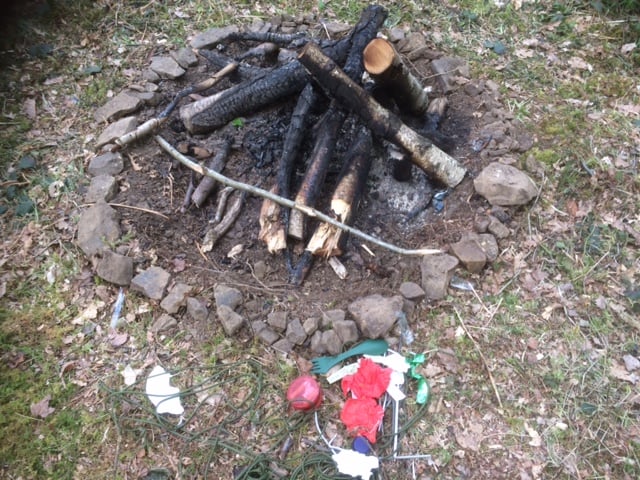
Credit: www.theforester.co.uk
Cool Down Charcoal Completely
After camping, you must cool down charcoal before disposing of it. Hot charcoal can cause fires if thrown away too soon.
Cooling charcoal fully is important for safety and the environment. Never throw charcoal away while it is still hot or glowing.
Wait Time Before Disposal
Give charcoal enough time to cool down on its own. This usually takes at least 24 to 48 hours.
Place the charcoal in a safe, non-flammable container while it cools. Check it carefully before disposal to ensure no heat remains.
Using Water To Extinguish
Pour water over the charcoal to put out any remaining embers quickly. Make sure to douse all pieces thoroughly.
Stir the charcoal and add more water if needed. Check that no steam or heat is coming from the pile before disposal.
- Use a bucket or hose to add water slowly.
- Stir charcoal to expose hot spots.
- Wait until no steam or heat is felt.
- Dispose only after charcoal is cold to the touch.
Check Local Disposal Rules
Disposing of charcoal safely after camping keeps the environment clean. Different areas have specific rules to follow. Always check your local rules before throwing away charcoal.
Local guidelines help prevent fires and pollution. Knowing these rules saves you trouble and protects nature.
Municipal Guidelines
Many towns have clear rules for charcoal disposal. Some allow cooled charcoal in trash bins. Others require special handling to avoid fire risks.
- Ensure charcoal is fully cooled before disposal
- Place charcoal in metal containers or sealed bags
- Do not mix charcoal with regular recyclables
- Follow specific pickup days for hazardous waste if required
Special Disposal Sites
Some places have special sites for charcoal and ash. These sites handle waste safely and reduce fire hazards. Use them if your town advises it.
| Site Type | Accepted Materials | Notes |
| Household Hazardous Waste Facility | Charcoal, ash, fire starters | Open limited hours |
| Community Recycling Center | Cooled charcoal only | Check local policies |
| Designated Drop-off Points | Charcoal and ashes in sealed bags | Some charge a small fee |
Reuse Charcoal Remnants
Charcoal leftover from camping can be reused instead of thrown away. It offers benefits for your garden and home. This reduces waste and makes good use of the charcoal.
Below are simple ways to reuse charcoal remnants safely and effectively.
Garden Soil Amendment
Charcoal helps improve garden soil by adding nutrients and improving drainage. It also helps retain moisture for plants.
- Crush the charcoal into small pieces before use.
- Mix the crushed charcoal with compost or soil.
- Use about 10% charcoal in your garden soil mix.
- Avoid charcoal with added chemicals or lighter fluid.
- Apply the mix around plants to improve growth.
Odor Absorption At Home
Charcoal is natural and absorbs bad smells in your home. It works well in closets, refrigerators, and shoes.
| Place | How to Use Charcoal | Benefits |
| Closet | Put charcoal pieces in a breathable bag and hang it. | Removes musty and stale smells. |
| Refrigerator | Keep a small open container of charcoal inside. | Absorbs food odors and moisture. |
| Shoes | Place charcoal pieces inside shoes overnight. | Stops bad odors and keeps shoes fresh. |
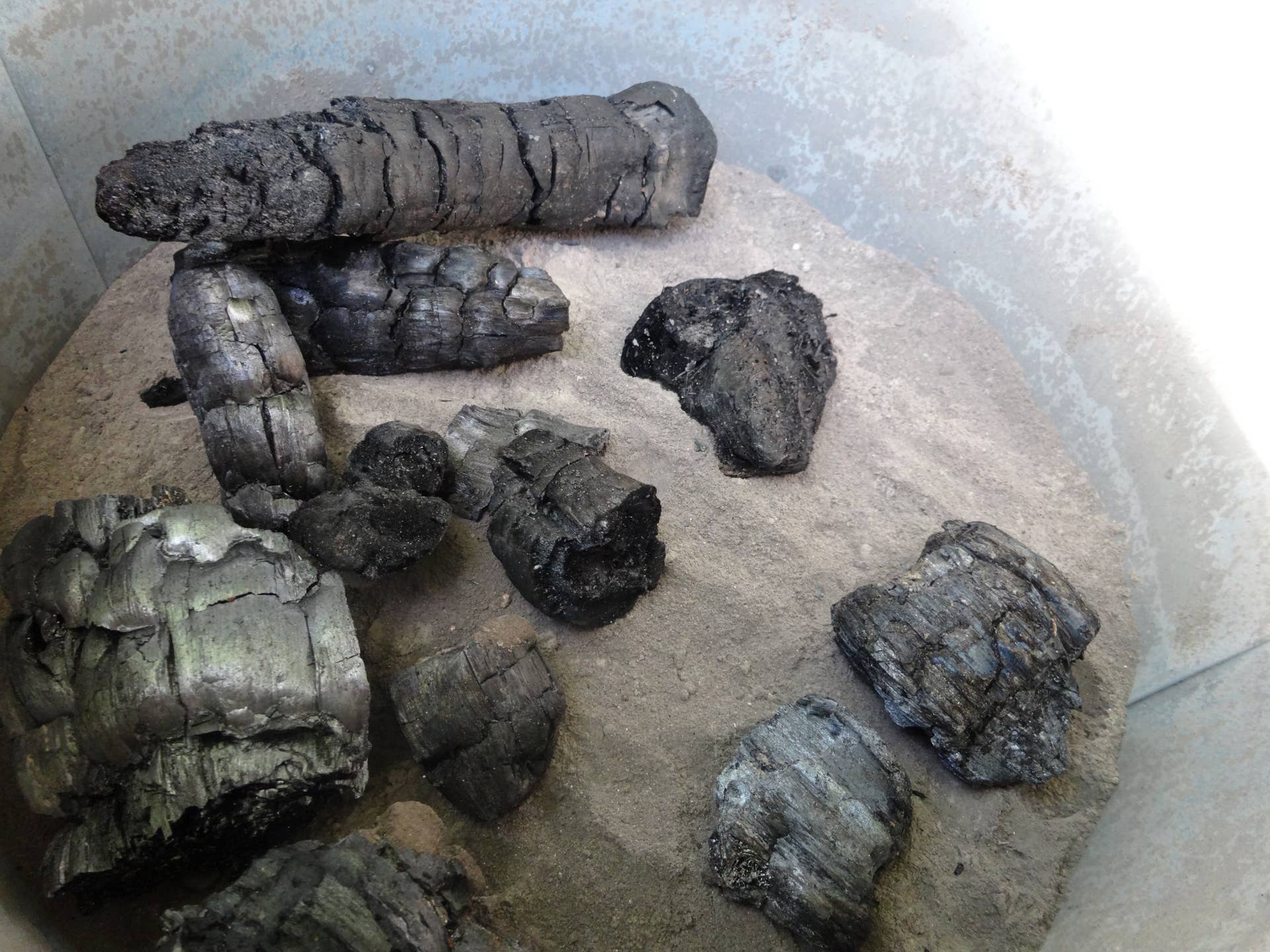
Credit: dengarden.com
Dispose Of Charcoal Safely
After camping, you must dispose of charcoal properly. Charcoal can cause fires if not handled with care. Follow safe steps to keep your environment and home safe.
Cooling charcoal before disposal is very important. Never throw hot charcoal directly into the trash. It can start a fire or damage trash containers.
Proper Trash Bag Use
Use strong trash bags to hold the cooled charcoal. Weak bags can tear and cause spills. Double-bagging adds extra protection. Make sure charcoal is completely cold before placing it inside.
- Let charcoal cool for at least 48 hours after use
- Place cooled charcoal in a metal container if possible
- Use heavy-duty trash bags to prevent leaks
- Seal trash bags tightly to stop odors and spills
- Do not mix charcoal with household recycling
Avoiding Fire Hazards
Charcoal can still burn after camping if not handled right. Keep it away from flammable materials. Store and dispose of charcoal far from homes and dry leaves.
| Fire Hazard | Safe Practice |
| Hot or warm charcoal | Cool for 48 hours before disposal |
| Charcoal near dry grass or leaves | Dispose away from flammable materials |
| Charcoal in plastic bags while hot | Use metal container first, then bag |
| Throwing charcoal directly in trash bin | Double bag cooled charcoal before trash |
Eco-friendly Alternatives
Disposing of charcoal after camping can harm the environment. Choosing eco-friendly options helps protect nature.
Using biodegradable charcoal and natural fire starters reduces waste and pollution. These choices are better for the planet.
Biodegradable Charcoal Options
Biodegradable charcoal breaks down faster and leaves less residue. It is made from natural materials like wood and coconut shells.
- Wood-based charcoal made without chemicals
- Coconut shell charcoal that burns cleanly
- Charcoal with plant-based binders instead of synthetic ones
- Charcoal that fully decomposes in compost
Natural Fire Starters
Natural fire starters help light charcoal without harmful chemicals. They are safer for the environment and your health.
| Natural Fire Starter | Material | Benefits |
| Wood shavings | Softwood pieces | Easy to ignite and biodegradable |
| Pine cones | Pine tree cones | Burn well and break down naturally |
| Beeswax-coated cotton balls | Cotton and beeswax | Burn slowly and produce little smoke |
| Dried leaves | Fallen leaves | Abundant and break down quickly |
Prevent Environmental Damage
After camping, it is important to dispose of charcoal safely. Improper disposal can harm the environment. Taking care helps keep nature clean and safe.
Charcoal ash can pollute soil and water. It can also hurt animals and plants. Following simple steps protects the outdoors.
Avoiding Ash Dumping In Nature
Do not dump charcoal ash directly on the ground. Ash contains chemicals that can change soil quality. It can stop plants from growing well.
Let the ash cool completely before handling. Use a metal container to store the ash safely. Dispose of ash in trash bins if allowed.
- Cool ash for at least 48 hours
- Store ash in a sealed metal container
- Throw ash in trash bins, not nature
- Check local rules for ash disposal
Protecting Wildlife And Waterways
Charcoal ash can harm animals if they eat or touch it. It can also pollute streams and rivers. This affects fish and other water creatures.
Keep ash away from water sources. Avoid dumping near lakes, rivers, or wetlands. Protect animals by disposing of charcoal responsibly.
- Do not dump ash near water
- Use trash bins for ash disposal
- Keep wildlife habitats clean and safe
- Follow park or campground rules

Credit: www.treelinereview.com
Frequently Asked Questions
How To Safely Dispose Of Charcoal After Camping?
After camping, ensure charcoal is completely cooled. Transfer it into a metal container to prevent fires. Dispose of it in designated ash disposal areas or follow local regulations. Avoid dumping it in nature to prevent environmental harm.
Can You Reuse Charcoal From A Camping Trip?
Yes, you can reuse charcoal if it’s not completely burned. Store it in a dry, airtight container to preserve its quality. Reusing partially burned charcoal can save costs and reduce waste. Just ensure it’s dry before reusing.
Is It Okay To Bury Charcoal Ashes?
Burying charcoal ashes is generally not recommended. Ashes can alter soil pH and harm plant life. Instead, dispose of ashes in designated areas or follow local disposal guidelines. Proper disposal helps protect the environment and preserve natural habitats.
Why Should Charcoal Ashes Be Disposed Of Properly?
Proper disposal of charcoal ashes prevents wildfires and environmental damage. Ashes can retain heat for long periods, posing fire risks. Additionally, improper disposal can harm wildlife and soil quality. Always follow local regulations for safe disposal practices.
Conclusion
Properly disposing of charcoal keeps nature safe and clean. Always let charcoal cool completely before handling it. Wrap ashes in foil or place in a metal container. Avoid throwing hot charcoal in trash or near plants. Recycling leftover charcoal as compost can help the environment.
Small steps make a big difference after camping trips. Take care of the earth, so it stays beautiful. Safe charcoal disposal protects wildlife and prevents fires. Remember, good habits make camping more enjoyable for everyone.