
Imagine biting into a piece of fruit that’s bursting with flavor, yet has a satisfying, chewy texture. That’s the magic of dehydrated fruit, and the best part?
You don’t need any fancy equipment to make it. Your oven is all you need to transform your favorite fruits into delicious, long-lasting snacks. Whether you’re looking to preserve a bountiful harvest, create healthy snacks for your family, or simply experiment with new recipes, learning how to dehydrate fruit in your oven is a rewarding skill.
In this guide, we’ll walk you through the simple steps to achieve perfectly dehydrated fruit every time. Get ready to unlock a world of vibrant flavors and aromas right from your kitchen. Keep reading to discover the secrets to mastering this easy and fun culinary technique.

Credit: www.cottercrunch.com
Benefits Of Dehydrating Fruit
Dehydrating fruitmakes it last much longer. You can save money by not wasting fruit. Dried fruit is easy to storeand carry. It is a healthy snack option for kids and adults. This method keeps many nutrientsin the fruit. You can enjoy fruits even when they are out of season. Dehydrated fruit can be used in many recipes. It adds flavor to cakes and cereal. Making dried fruit at home is cost-effective. You know exactly what ingredients are used. No added sugar or preservatives. It is a fun activity for families. You can try different fruits and flavors.
Choosing The Right Fruit
- Apples are great for drying. They taste sweet.
- Bananas become chewy and delicious.
- Grapes turn into yummy raisins.
- Pineapples are tangy and sweet when dried.
- Mango slices become a sweet treat.
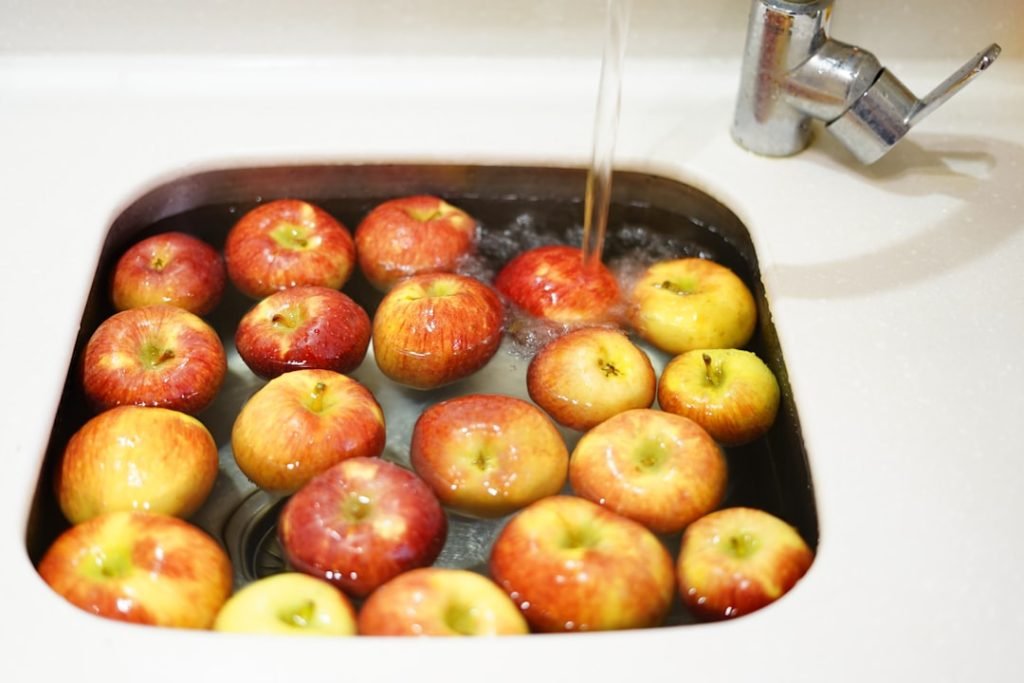
Wash all fruits well. Remove dirt and germs. Peel fruits with thick skins, like bananas and mangoes. Use a sharp knife for slicing. Cut fruits into thin, even slices. This helps them dry evenly. Small fruits like grapes can be halved. Remove seeds and cores from apples and pears. Keep fruit slices in similar sizes. This ensures they dry at the same speed. Use lemon juice to prevent browning. Dip apple and banana slices in lemon juice. This keeps them fresh-looking. Pat fruits dry with a paper towel before drying.
Preparing Your Oven
Set your oven to a low heat. Usually, 140°F to 160°Fworks well. This temperature is gentle on fruit. It helps remove moisture slowly. Check your oven’s manual for settings. Some ovens have a special drying mode. Use it if available. Always keep the oven door slightly open. This lets moisture escape. A wooden spoon can help hold the door open.
Slice the fruit thinly. Thin slices dry faster. Place the slices on a baking sheet. Use parchment paper to prevent sticking. Arrange fruit in a single layer. Ensure the pieces don’t touch. This helps air circulate around them. Turn the slices halfway through drying. This ensures even drying. Use a timer to keep track of time.
Step-by-step Dehydration Process
Learn how to dehydrate fruit in an oven by slicing fruits thinly and arranging them on a baking sheet. Set the oven to a low temperature and let it slowly dry the fruit for several hours, checking occasionally.
Preheat The Oven
Set the oven to 140 degrees Fahrenheit. This low heat removes moisture slowly. It helps keep the fruit’s flavor intact. Place a baking sheet inside for even heat distribution. Wait until the oven reaches the right temperature. This ensures the best results for drying fruit.Monitor The Drying Process
Check the fruit every 30 minutes. Turn the fruit pieces over to dry evenly. Look for changes in texture and color. Dried fruit should be pliable, not sticky. Remove any pieces that dry faster. This prevents them from becoming too hard. Patience is key for perfect dried fruit. `Storing Dehydrated Fruit
Drying fruit in the oven is simple and effective. Slice fruit thinly, arrange on baking sheets, and set the oven to low heat. Store dried fruit in airtight containers to keep them fresh and tasty for months.
Best Storage Practices
- Use airtight containers to keep moisture away.
- Store in a cool, dark place for best results.
- Glass jars or vacuum-sealed bags work well.
- Avoid plastic bags; they might let air in.
- Label containers with the date for easy tracking.
- Keep different fruits in separate containers.
Shelf Life Considerations
The shelf life of dehydrated fruit varies by type. Most fruits last for up to a year. Check for signs of spoilage regularly. If fruit smells bad, discard it. Proper storage can extend shelf life. Keep fruits away from direct sunlight. Temperature fluctuations can spoil the fruit. Use within 6 to 12 months for best taste.

Credit: midwestandwonder.com
Creative Uses For Dehydrated Fruit
Dehydrating fruit in the oven preserves its natural sweetness and flavor. Slice fruit thinly and place on a baking sheet. Set the oven to its lowest temperature and let it dry for several hours. Perfect for snacking or adding to cereal and salads.
Snacking Ideas
Dehydrated fruit makes tasty snacks. It’s sweet and chewy. Kids love to munch on them. Mix different fruits for a colorful trail mix. Try apple, banana, and mango slices. Pack them in small bags. Easy to carry anywhere. Perfect for school lunches. Healthy and delicious.
Culinary Applications
Use dehydrated fruit in cooking. Add them to baked goods. They taste great in muffins and cookies. Perfect for pancakes too. Sprinkle on top for extra flavor. Make a fruity salad. Mix with nuts and seeds. Add to yogurt for a sweet treat. Fruity and fun.
Troubleshooting Common Issues
Dehydrating fruit in the oven can face issues like uneven drying or sticking. Ensure consistent slicing and proper spacing on the tray. Adjust the oven temperature as needed to prevent burning or under-drying.
Preventing Overdrying
Check the fruit often to avoid overdrying. Adjust oven temperature if needed. Cut fruit evenly before drying. Use a timer to monitor drying time. Rotate the trays to ensure even drying. Store dried fruit in airtight containers. This keeps the fruit fresh and tasty.
Dealing With Uneven Drying
Uneven drying happens when fruit pieces are different sizes. Slice all pieces to the same thickness. Rearrange fruit on trays while drying. Move trays around in the oven. Swap top and bottom trays for better results. Check for dryness regularly. Remove pieces that dry faster. This helps all fruit dry evenly.

Credit: naomicakes.com
Frequently Asked Questions
Is It Better To Dehydrate Fruit In The Oven Or Dehydrator?
Dehydrators are better for fruit dehydration due to precise temperature control and energy efficiency. Ovens can work but may lead to uneven drying and higher energy use. Dehydrators maintain flavor and nutrients better, making them the preferred choice for consistent results.
How To Dry Fruit In The Oven Without A Dehydrator?
Preheat the oven to 140°F. Slice fruit evenly and place on a baking sheet. Ensure proper spacing. Bake for 4-8 hours, flipping occasionally. Check regularly until fruit is dry and leathery. Store dried fruit in airtight containers.
How Do You Dehydrate In The Oven?
Dehydrate in the oven by preheating it to the lowest setting. Slice food thinly and place on a baking sheet. Leave the oven door slightly open for air circulation. Check periodically to ensure food dries evenly. Once done, let cool and store in airtight containers.
What Is The Best Way To Dehydrate Fruit?
The best way to dehydrate fruit is using a food dehydrator. Slice fruit evenly and arrange on dehydrator trays. Set the temperature to 135°F (57°C). Dry for 6-12 hours, checking periodically. Ensure fruits are fully dehydrated for optimal preservation. Store in airtight containers to maintain freshness.
Conclusion
Dehydrating fruit in the oven is simple and rewarding. It’s a great way to preserve seasonal fruit. You can enjoy healthy snacks year-round. Just prepare your fruit, set your oven, and wait. The process takes time, but it’s worth it.
You’ll have delicious dried fruit ready to eat. Experiment with different fruits and flavors. This method suits various dietary needs. Plus, it’s an affordable option for everyone. Share these tasty treats with family and friends. Enjoy the natural sweetness and texture.
Happy dehydrating!