
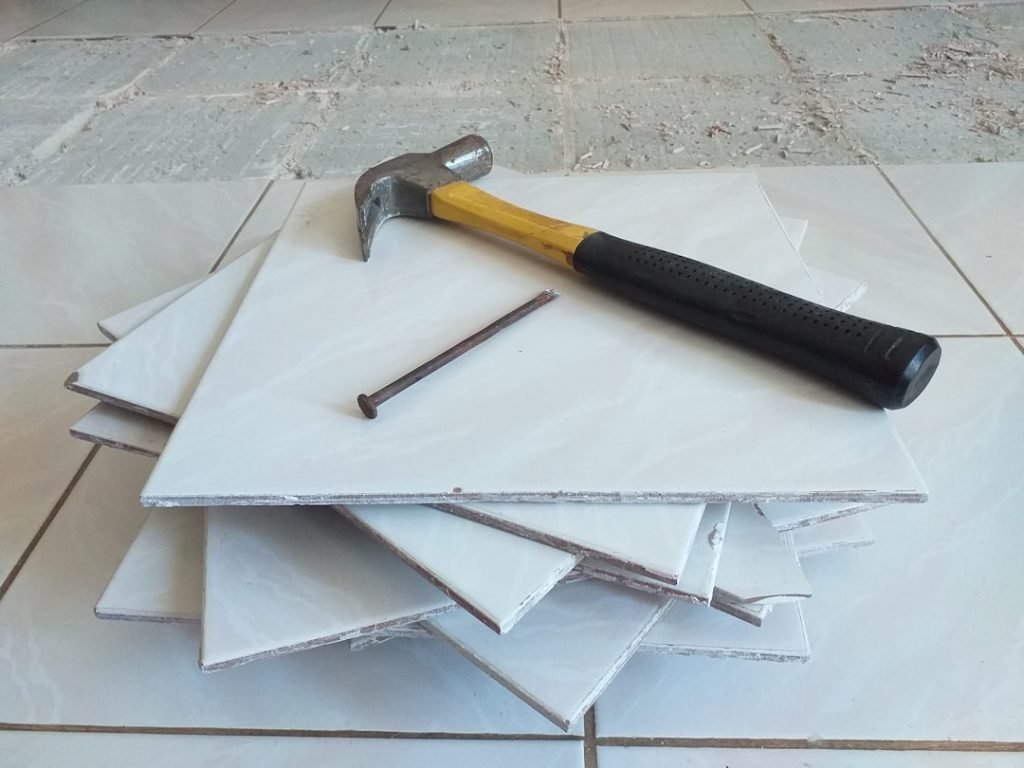
Are you ready to tackle your tile cutting project but unsure how to get clean, precise cuts? Cutting tiles can seem tricky, especially if you want a professional look without spending a fortune on special tools.
What if you could use a tool you might already have—an angle grinder—to make perfect cuts quickly and safely? In this guide, you’ll discover simple, step-by-step techniques to cut tiles like a pro with your angle grinder. Whether you’re fixing a backsplash or renovating a floor, this method will save you time and frustration.
Keep reading, and you’ll gain the confidence to handle your tile cutting with ease.
Credit: www.tileshop.com
Choosing The Right Angle Grinder
An angle grinderis a powerful tool used for cutting tiles. It comes in different types based on size and power. Common types include cordedand cordlessmodels. Corded grinders offer constant power, ideal for long jobs. Cordless grinders provide more freedom but may run out of battery.
Choosing the right size is important. Smaller grinders (4-5 inches) are easier to handle and good for detailed work. Larger grinders (7-9 inches) cut faster but need more control.
| Blade Type | Best For | Material |
|---|---|---|
| Diamond Blade | Cutting hard tiles | Diamond-tipped |
| Abrasive Blade | General purpose cuts | Aluminum oxide or silicon carbide |
| Turbo Blade | Faster cuts with smooth edges | Diamond-tipped with serrated edges |
Use a diamond bladefor clean and precise tile cuts. Avoid blades not made for tiles; they can damage tiles or grinder. Make sure the blade size fits your grinder. Always check the maximum RPM rating to match your tool.

Credit: www.orientbell.com
Preparing Your Workspace
Wearing safety gearis very important. Use safety gogglesto protect your eyes from dust and sparks. Wear glovesto keep your hands safe. A dust maskhelps you avoid breathing harmful particles. Long sleeves and pants protect your skin from flying debris.
Set up a stable cutting areabefore starting. Use a flat surface like a workbench or sturdy table. Make sure the tile is held firmly with clamps or a heavy object. This stops the tile from moving while cutting. Clear the area of anything that might get in the way.
Marking And Measuring Tiles
Measure the tile carefully using a ruler or tape measure. Mark the line clearly with a pencil or marker. Always double-check the measurements before cutting to avoid mistakes.
Templates and guides help make straight and precise cuts. You can use cardboard or plastic templates to trace shapes. Guides attached to the angle grinder keep the blade steady and on track.
- Use a flat surface for accurate marking.
- Hold the tile firmly to prevent movement.
- Trace the cutting line clearly and visibly.
- Use a guide clamp for straight cuts with the grinder.
Cutting Techniques For Clean Edges
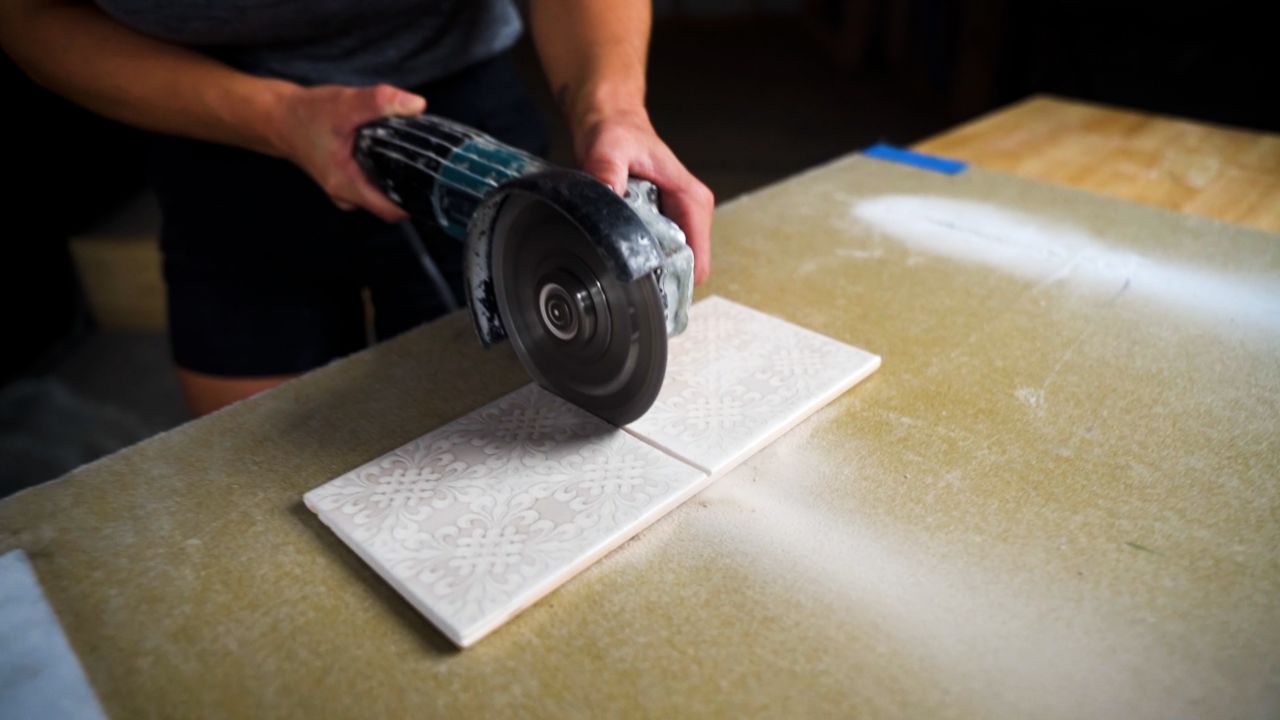
Straight cutsrequire steady hands and a clear line. Mark the tile with a pencil or marker. Use the angle grinder with a diamond blade. Move the grinder slowly along the line. Keep the blade straight to get a clean edge. Always wear safety goggles and gloves.
Curved and angled cutsneed more control. Use the grinder to make small cuts along the curve. Take your time to avoid breaking the tile. For sharp angles, cut close to the marked line carefully. Practice on scrap tiles to gain confidence.
| Cut Type | Description | Best Use |
|---|---|---|
| Scoring | Light scratch on tile surface | For thin, small tiles |
| Full Cuts | Cutting through entire tile thickness | For thick or large tiles |
Handling Common Challenges
Tile breakagecan happen if the angle grinder is moved too fast. Cutting slowly and steadily helps prevent cracks. Support the tile firmly to avoid shaking. Use a diamond blademade for tiles for cleaner cuts.
To minimize dust and debris, wet the tile surface with water. This keeps dust down and cools the blade. Wear a mask and safety glasses to protect your eyes and lungs.
Avoid blade overheatingby taking breaks during cutting. Overheated blades wear out faster and cut poorly. Keep the blade cool with water or let it rest every few minutes.
Finishing And Smoothing Edges
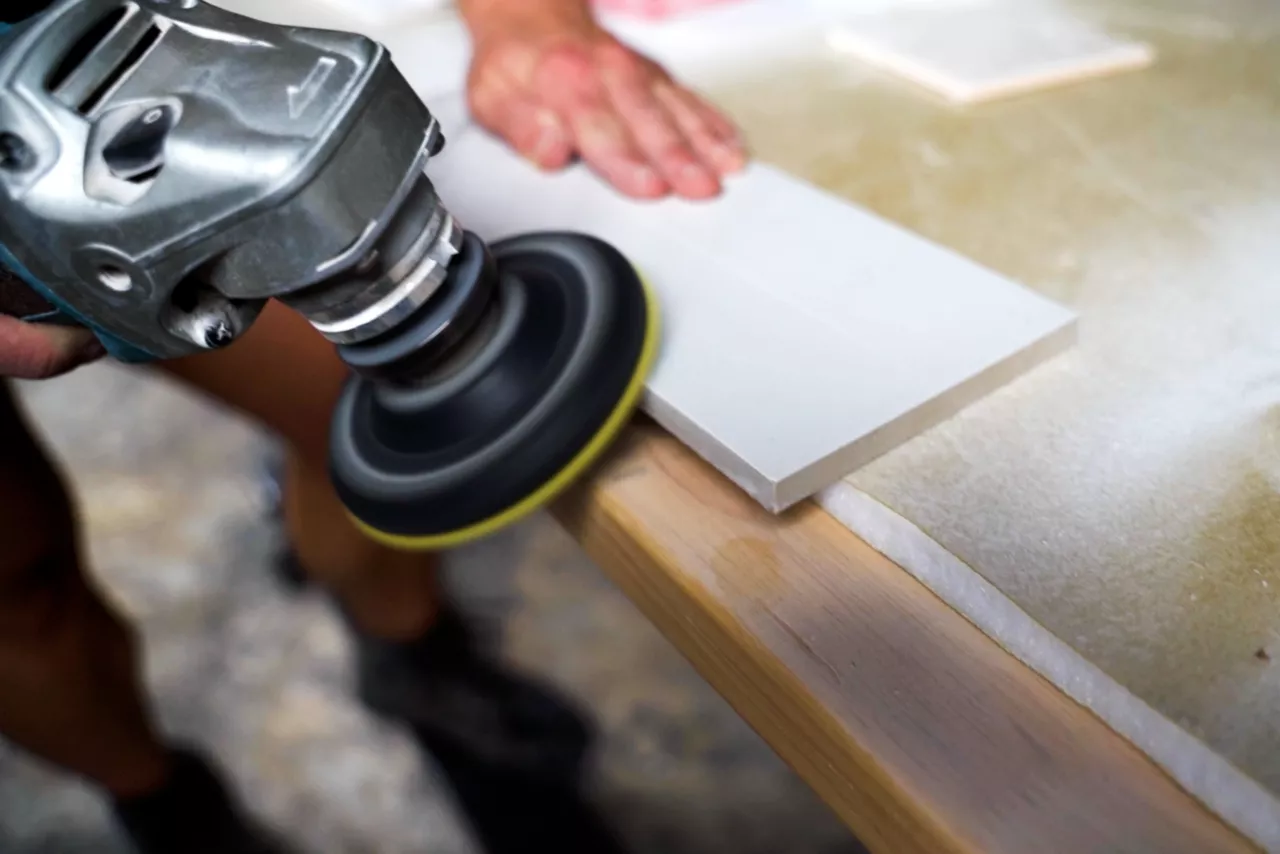
Using a grinding wheelhelps to smooth rough tile edgesafter cutting. Hold the angle grinder steadily and gently move it along the edge. Keep the grinder at a slight angle to avoid chipping the tile. Use light pressurefor a clean finish. Always wear safety goggles and glovesto protect yourself from dust and sharp fragments. Work in a well-ventilated space to avoid inhaling dust.
Polishing tiles makes edges shine and smooth. Use a fine polishing padon the angle grinder. Move slowly and evenly along the edge. Wet polishing pads reduce dust and help cool the tile. Rinse the tile with water after polishing to remove any residue.
Maintenance Of Angle Grinder And Blades
Keeping the angle grinder clean is key for good work. After each use, wipe off dust and debris from the tool and blade. Store the grinder in a dry place to stop rust and damage. Always cover the blade to protect it.
| Signs to Replace Blades | Explanation |
|---|---|
| Dull Cutting | Blade takes longer to cut or feels stuck. |
| Visible Damage | Cracks, chips, or warping on the blade edge. |
| Uneven Cuts | Blade cuts rough or jagged lines instead of smooth. |
| Excessive Vibration | Tool shakes more than usual during cutting. |
Credit: www.tileshop.com
Frequently Asked Questions
How Do You Safely Cut Tiles With An Angle Grinder?
Wear safety goggles and gloves before cutting tiles. Secure the tile firmly. Use a diamond blade and cut slowly to avoid cracks. Always work in a well-ventilated area to reduce dust exposure.
What Type Of Blade Is Best For Cutting Tiles?
A diamond-tipped blade is best for cutting tiles. It provides clean, precise cuts and lasts longer. Avoid using standard metal blades as they can damage tiles and wear out quickly.
Can An Angle Grinder Cut Ceramic And Porcelain Tiles?
Yes, an angle grinder can cut both ceramic and porcelain tiles. Use the right diamond blade and apply gentle pressure. This method works well for straight and curved cuts.
How Do You Prevent Tiles From Chipping When Cutting?
Score the tile surface lightly before cutting. Use a slow, steady cutting speed to reduce vibrations. Support both sides of the tile to minimize movement and prevent chipping.
Conclusion
Cutting tiles with an angle grinder is simple and effective. Use the right blade and safety gear. Mark your cutting line clearly before you start. Move the grinder slowly and steadily for a clean cut. Practice on scrap tiles to gain confidence.
This tool helps you complete tile projects faster. With care and patience, your cuts will look professional. Keep your workspace clean and organized for safety. Now, you can tackle tile cutting with ease and skill.