
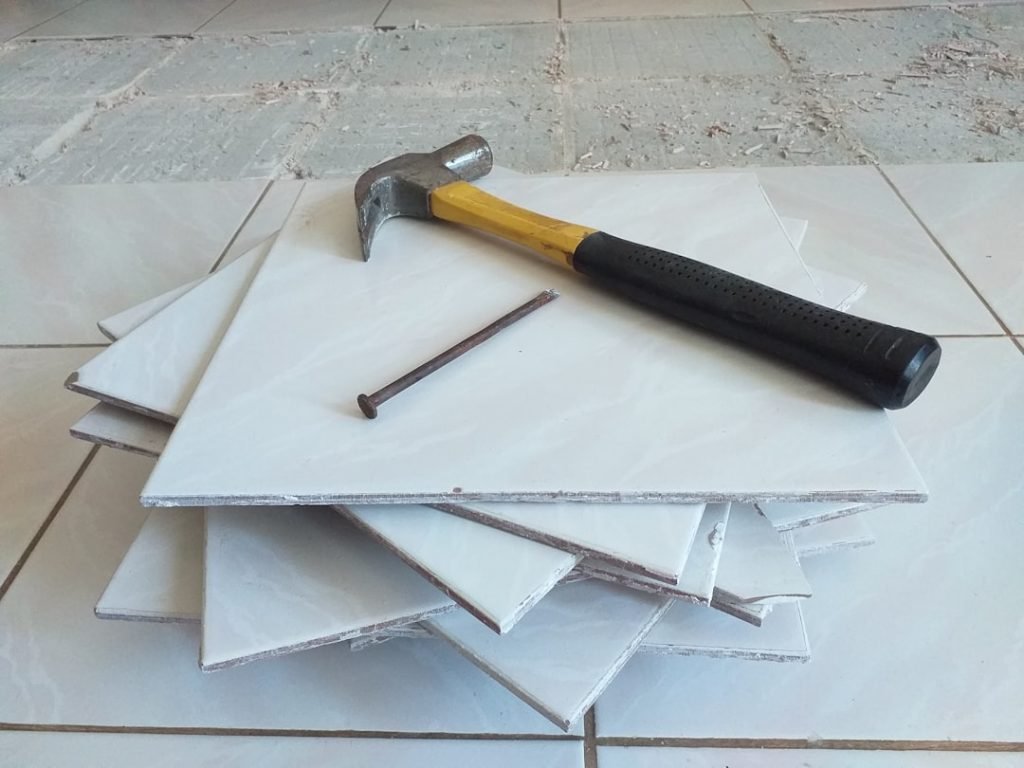
Are you tired of struggling with chipped tiles every time you try to cut them? You’re not alone.
Cutting tiles with a grinder can be tricky, especially if you want a clean, smooth edge without those annoying cracks and chips. But what if you could learn a simple method to cut your tiles perfectly every time? You’ll discover easy-to-follow tips and tricks that will help you master the art of cutting tiles with a grinder—no chipping, no frustration.
Keep reading, and transform your tile projects into flawless, professional-looking results.

Credit: www.familyhandyman.com
Choosing The Right Grinder
A grinderwith a steady motor and a comfortable grip works best for tile cutting. Angle grinders and wet grinders are common choices. Angle grinders are good for dry cuts but may create dust. Wet grinders use water to cool the blade and reduce dust.
Choosing the right grinder depends on the job size and tile type. Smaller grinders are easier to handle for detailed cuts. Larger grinders cut faster but need more control.
| Grinder Type | Best For | Pros | Cons |
|---|---|---|---|
| Angle Grinder | Dry cutting | Portable, easy to use | Dusty, risk of chipping |
| Wet Grinder | Wet cutting | Less dust, cooler blade | Heavier, needs water source |
Selecting the correct blade is key. Use a diamond blademade for tiles. Blade size should match the grinder. Thin blades cut cleaner and reduce chipping.
- Blade with continuous rim for smooth edges
- Segmented blades for faster cutting
- Avoid old or worn blades

Credit: www.orientbell.com
Preparing Your Workspace
Always wear safety glassesand gloves to protect yourself. Use a dust mask to avoid inhaling tile dust. Clear the area of any objects that can cause accidents.
Choose a flat, stable surfacelike a workbench or sturdy table. Place a non-slip mat or clamp the tile to keep it from moving. Stability helps make clean cuts without chipping.
- Wear protective gear: glasses, gloves, and dust mask
- Clear workspace from clutter and hazards
- Use a flat, stable surface for cutting
- Secure tile with clamps or non-slip mats
Marking The Tile
Using accurate measuring toolshelps to mark tiles precisely. A ruler or tape measure works best for straight lines. A pencil or marker that shows well on tiles is necessary.
Clear, visible cutting lines guide the grinder and prevent mistakes. Mark lines on the tile surface where the cut should be made. Double-check the measurements to avoid errors.
- Use a ruler to measure the tile’s length and width.
- Mark points clearly with a pencil or tile marker.
- Draw straight lines connecting the points.
- Make sure lines are visible but thin to avoid confusion.
Techniques To Prevent Chipping
Scoring the tile surface lightly before cutting helps create a guide. This small groove reduces tile stress and lowers the risk of chipping. Use a pencil or a scoring tool to mark the cut line gently. This step improves accuracy and keeps edges clean.
Applying steady pressure with the grinder keeps the blade stable. Avoid pushing too hard, as it can cause cracks or chips. Let the grinder do the work with a firm but gentle touch. Steady pressure helps maintain control and a smooth cut.
Controlling cutting speed is key to avoid damage. Moving too fast heats the tile and blade, causing cracks. Too slow can cause rough edges. Keep a moderate, consistent speed for the best results. This balance protects tile edges and extends blade life.
Cutting The Tile
Start the cut by marking a clear line on the tile. Use a pencil or marker for accuracy. Hold the grinder steady and align the blade with the line. Begin cutting gently to avoid cracks or chips. Keep a firm grip to control the tool.
Move the grinder smoothly along the line. Avoid stopping or going too fast. Constant speed helps prevent chipping and gives a clean edge. Let the blade do the work; do not force it.
For corners and curves, use short, controlled cuts. Slowly change direction to follow the shape. Cutting in small sections reduces tile damage. If needed, make several shallow passes instead of one deep cut.
Finishing Touches
Smooth edges prevent tile chipping after cutting with a grinder. Use water to cool the blade and cut slowly for cleaner results. Taking time to finish ensures a neat, professional look.
Smoothing Edges
Use a sanding pad on the grinder to smooth tile edges. Move the grinder gently along the cut edges. Avoid pressing too hard to stop chipping. Smooth edges help tiles fit better and look neat. A light touch keeps the tile safe and strong.
Cleaning The Tile Surface
Wipe the tile with a damp cloth to remove dust. Use a soft brush for stubborn dirt. Clean tiles show better color and shine. Make sure tiles dry completely before installation. Clean surfaces help glue and grout stick well.
Common Mistakes To Avoid
Using the wrong bladecan cause tiles to chip or break. Always select a blade made for tile cutting. Blades meant for metal or wood won’t work well. They can damage the tile edges.
Rushing the cutting process leads to poor results. Cutting too fast heats the blade and tile. This heat can cause cracks or chips. Take your time and cut slowly for clean edges.
- Wear safety gogglesto protect your eyes from dust and shards.
- Use ear protectionto guard against loud noise from the grinder.
- Wear glovesto protect your hands from sharp tile edges and the blade.
Neglecting safety gear puts you at risk for injury. Always wear the right gear before starting any cutting task.

Credit: www.youtube.com
Frequently Asked Questions
How Do I Prevent Tile Chipping With A Grinder?
Use a diamond blade designed for tiles and cut slowly. Score the tile surface lightly before deep cutting. Keep the grinder steady and avoid applying too much pressure to prevent chipping.
What Safety Gear Is Needed When Cutting Tiles?
Wear safety goggles, gloves, and a dust mask. Protect your eyes from flying debris and your lungs from dust. Use ear protection if the grinder is loud.
Can Water Reduce Tile Chipping During Cutting?
Yes, water helps cool the blade and reduce dust. It also minimizes tile cracks and chipping by keeping the cutting surface lubricated and cool.
Which Grinder Blade Is Best For Cutting Tiles?
A diamond-tipped blade or a blade specifically made for ceramics is best. These blades offer clean cuts and reduce the chance of chipping.
Conclusion
Cutting tiles with a grinder takes care and the right steps. Use steady hands and the correct blade for clean cuts. Take your time and avoid rushing to stop chipping. Always wear safety gear to protect yourself. Practice on scrap tiles before the real job.
This way, you can build confidence and skill. Follow these tips to get smooth, chip-free tile cuts every time.