
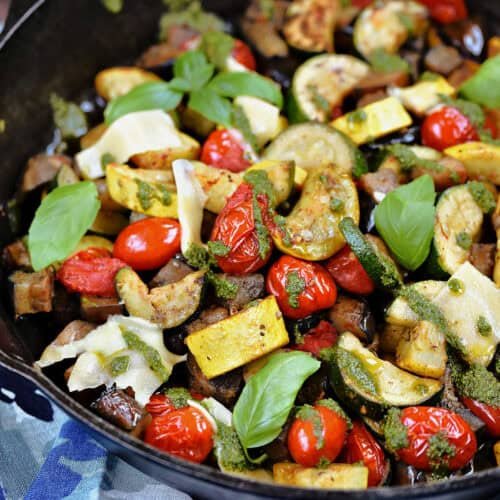
Cooking vegetables in a cast iron skillet can transform simple ingredients into a flavorful, satisfying dish. If you’ve ever wondered how to get that perfect sear, crisp edges, and rich taste, this guide is for you.
You’ll learn easy steps that bring out the best in your veggies, making every bite a delight. Ready to upgrade your cooking skills and impress yourself with delicious results? Keep reading—you’re just a few tips away from mastering the art of cast iron vegetable cooking.
Choosing The Right Vegetables
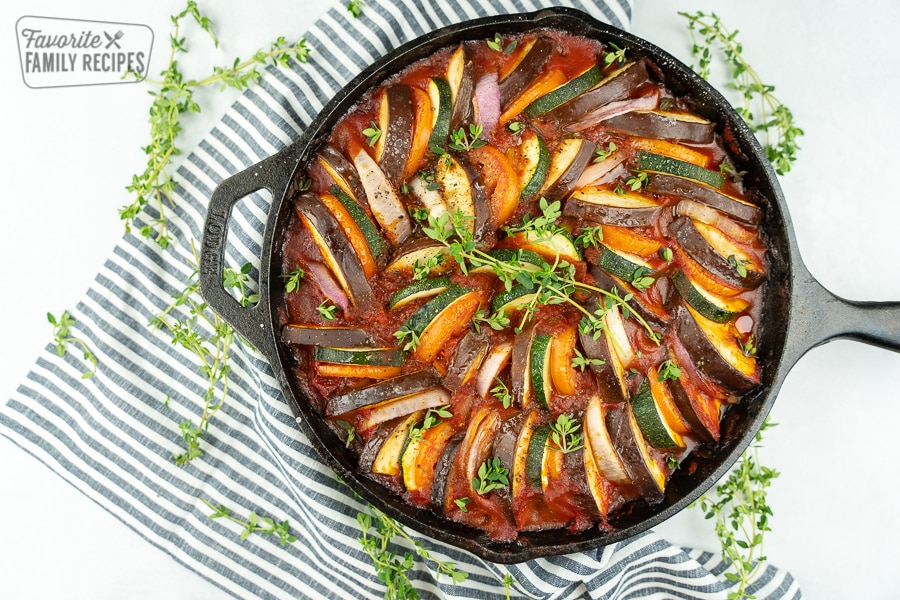
Choosing the right vegetables is key for cooking in a cast iron skillet. Fresh and firm vegetables work best. Seasonal vegetablesoffer better flavor and nutrition. Some great options include:
- Spring: asparagus, peas, spinach
- Summer: zucchini, bell peppers, tomatoes
- Fall: carrots, Brussels sprouts, sweet potatoes
- Winter: kale, cauliflower, onions
Texture plays a big role. Hard vegetables like carrots take longer to cook. Softer ones like tomatoes need less time. Mixing textures creates a nice balance in your dish.
Credit: www.favfamilyrecipes.com
Preparing Your Cast Iron Skillet
Cleaning a cast iron skillet right keeps it working well. Avoid soap and dishwasher. Use hot water and a stiff brush instead. Scrub off stuck food gently. Dry it completely to stop rust.
Seasoning adds a natural, non-stick layer. Rub a thin coat of oil inside and outside. Use vegetable oil or flaxseed oil for best results. Heat the skillet in the oven at 350°F for an hour. Let it cool before use.
Cooking Techniques For Vegetables
Sautéing vegetablesin a cast iron skillet is quick and tasty. Heat the skillet well before adding oil. Use medium-high heat to cook evenly. Cut vegetables into similar sizes for uniform cooking. Stir often to prevent burning. Vegetables like bell peppers, onions, and zucchini work well.
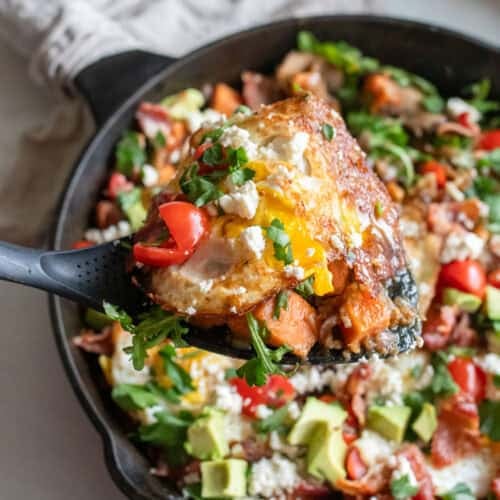
Roasting in a cast iron skilletgives vegetables a crispy edge. Preheat the skillet in the oven for best results. Toss vegetables with oil and seasoning before placing them in the hot skillet. Spread them in a single layer for even roasting. Good choices include potatoes, carrots, and Brussels sprouts.
Grilling vegetableson a cast iron skillet creates a smoky flavor. Preheat the skillet until very hot. Use vegetables that hold up well like corn, asparagus, and eggplant. Lightly oil vegetables to avoid sticking. Cook until grill marks appear and vegetables are tender.
Enhancing Flavor
Cooking vegetables in a cast iron skillet brings out deep, rich flavors. Herbs and spicesenhance taste without extra calories. Use fresh or dried herbs like thyme, rosemary, or basil. Sprinkle spices such as paprika, cumin, or black pepper for a bold flavor.
Aromaticsadd layers of deliciousness. Onions, garlic, and shallots release strong, pleasant smells when cooked. These ingredients pair well with most vegetables. Sauté aromatics first to infuse the skillet with flavor before adding vegetables.
- Use fresh herbs for a bright, fresh taste.
- Dried herbs work well in longer cooking times.
- Be careful with spices—too much can overpower.
- Cook aromatics on medium heat until soft and fragrant.
- Combine herbs and aromatics for a tasty vegetable dish.
Serving Suggestions
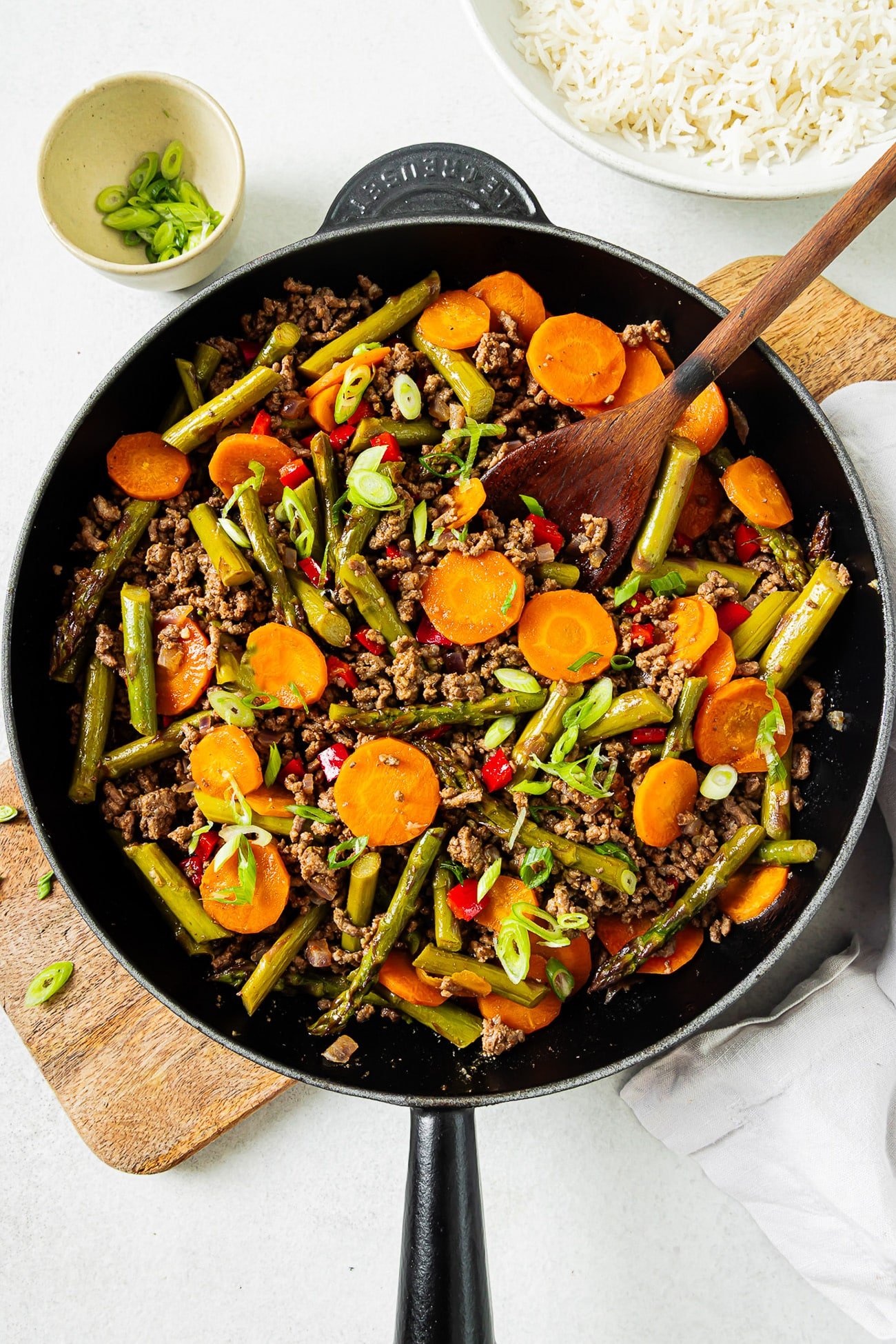
Vegetables cooked in a cast iron skillet go well with many proteins. Try pairing them with grilled chicken or seared fish. Both add a nice flavor and balance the meal. Beef and pork also work well, especially with roasted or sautéed veggies.
Creating balanced dishes is simple. Include a source of protein, vegetables, and a healthy fat. For example, serve sautéed spinach with salmon and a drizzle of olive oil. This combination offers good nutrients and tastes delicious.
- Chicken breast with sautéed bell peppers
- Grilled salmon with asparagus
- Steak with caramelized onions and mushrooms
- Pork chops with roasted carrots
- Tofu stir-fry with mixed vegetables
Credit: www.primaverakitchen.com
Maintenance Of Cast Iron Skillet
Cleaning cast iron skillet right keeps it in good shape. Avoid soap as it can remove the seasoning. Use hot water and a brush or sponge to clean. For stuck food, scrub with coarse salt and water. Dry the skillet immediately to stop rust. Warm it on the stove for a few minutes after drying.
Storing properly extends the skillet’s life. Store in a dry place to avoid moisture. Place a paper towel inside to absorb any moisture. Do not stack heavy items on top to keep its shape. Keep the skillet lightly oiled before storing to protect the surface.
Credit: www.farmhouseonboone.com
Frequently Asked Questions
How Do You Prepare Cast Iron Skillet For Vegetables?
Always preheat your cast iron skillet before cooking. Add oil to prevent sticking and enhance flavor. Ensure the skillet is clean and seasoned for best results.
What Vegetables Cook Best In A Cast Iron Skillet?
Bell peppers, zucchini, mushrooms, and broccoli cook well in cast iron. These vegetables retain texture and develop rich flavors when sautéed or roasted.
How Long Should Vegetables Cook In Cast Iron Skillet?
Cooking time varies by vegetable type and size. Generally, sauté vegetables for 5-10 minutes until tender but still crisp. Stir occasionally for even cooking.
Can I Cook Frozen Vegetables In A Cast Iron Skillet?
Yes, but avoid overcrowding to prevent steaming. Cook frozen vegetables on medium heat and allow moisture to evaporate for crispiness. Stir frequently for best texture.
Conclusion
Cooking vegetables in a cast iron skillet is simple and tasty. The skillet keeps heat well for even cooking. You can use little oil to keep veggies healthy. Stir often to prevent burning and keep veggies crisp. Try different seasonings to find your favorite flavors.
This method works for many vegetables, fresh or frozen. Enjoy colorful, delicious veggies with a nice texture. Cooking this way saves time and makes meals better. Give it a try and see how easy it is!