
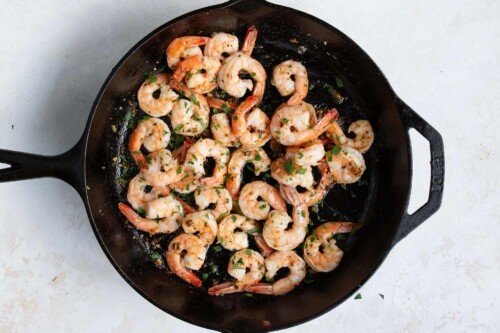
Cooking seafood in a nonstick skillet can be quick, easy, and delicious—but only if you know the right tricks. You want your fish to be perfectly cooked, tender, and full of flavor, without sticking or falling apart.
You’ll discover simple steps that make cooking seafood in a nonstick skillet a breeze. Whether you’re a beginner or just looking to improve your skills, these tips will help you get restaurant-quality results at home. Ready to master the art of skillet seafood?
Let’s dive in.

Credit: www.acouplecooks.com
Choosing The Right Seafood
Fresh seafoodusually cooks better and tastes sweeter. It has a firm texture and bright color. Frozen seafoodcan also work well, but it must be fully thawed before cooking to avoid sogginess.
Choose seafoodthat is not too watery or slimy. Smell it; fresh fish should have a mild ocean scent, not a strong fishy smell. For shellfish, shells should be closed tightly.
| Seafood Type | Best for Nonstick Skillet | Reason |
|---|---|---|
| Fish Fillets (salmon, tilapia) | Yes | Cook quickly and hold shape well |
| Shrimp | Yes | Small, cooks fast without sticking |
| Scallops | Yes | Delicate, sears nicely in nonstick pans |
| Whole Fish | No | May stick or cook unevenly |
| Mussels and Clams | No | Better steamed than pan-fried |
Preparing Seafood For Cooking
Start by rinsing seafood under cold water to remove dirt and scales. Use a sharp knife or kitchen shears to carefully remove bones and fins. Fish fillets should be checked for small bones and gently pulled out with tweezers. This step makes eating safer and more enjoyable.
Marinate seafood to add flavor and keep it moist during cooking. Use simple ingredients like lemon juice, olive oil, garlic, and herbs. Avoid strong marinades that can overpower natural seafood taste. Let seafood soak for 15 to 30 minutes only. Too long can change texture and make it tough.
Using Nonstick Skillet Effectively
Set the skillet on medium heat for cooking most seafood. Too high heat can burn the fish outside but leave it raw inside. Too low heat makes seafood soggy and oily. Preheat the pan for about 2 minutes before adding oil or seafood.
Use a small amount of oil or butter to keep seafood from sticking. Avoid using cooking spray on a hot pan; it can cause smoke. Pat seafood dry before cooking to get a nice sear.
- Do not overcrowd the skillet. Cook in batches if needed.
- Avoid flipping seafood too often; cook one side well first.
- Use a non-metal spatula to protect the nonstick surface.
- Clean the skillet gently after use to keep the coating intact.

Credit: www.primaverakitchen.com
Cooking Techniques For Different Seafood
Searing fishrequires a hot nonstick skillet and a small amount of oil. Pat fish dry to avoid splatter. Place fish skin-side down first for a crispy texture. Do not move fish until it easily releases from the pan. Cook for 3-4 minutes per side depending on thickness. This method locks in moisture and creates a golden crust.
Sautéing shrimp and scallopsneeds medium-high heat. Use a bit of oil or butter to prevent sticking. Cook shrimp until pink and firm, about 2 minutes per side. Scallops should be golden brown on each side, about 1-2 minutes. Avoid overcrowding the pan to ensure even cooking.
Cooking shellfishlike clams and mussels involves steaming in a covered skillet. Add a splash of water, wine, or broth and cover. Cook until shells open, usually 5-7 minutes. Discard any unopened shells. This method keeps shellfish juicy and flavorful.
Flavor Pairings And Seasonings
Herbs and spicesbring out the best in seafood cooked in a nonstick skillet. Fresh herbs like dill, parsley, and basiladd a bright, fresh taste. Spices such as paprika, black pepper, and garlic powdergive a warm and savory flavor. Use them sparingly to keep the natural seafood taste.
Sauces and marinadescan make seafood even tastier. Simple marinades with lemon juice, olive oil, and garlicadd a zesty kick. Soy sauce mixed with ginger and honey works well for a sweet and salty touch. Pour sauces over the seafood after cooking to keep the texture perfect.

Credit: www.reluctantgourmet.com
Serving Suggestions
Serve seafood with fresh, light side dishes for balance. Crisp green salads, steamed vegetables, or roasted potatoes make great choices. Rice pilaf or couscous also pair well.
Use bright lemon wedges or fresh herbs like parsley and dill to add color. A drizzle of olive oil or a sprinkle of sea salt enhances flavor. Keep the plate simple and clean for the best look.
| Side Dish | Why It Works |
|---|---|
| Steamed Asparagus | Light and fresh taste complements seafood |
| Garlic Mashed Potatoes | Rich and creamy texture balances seafood |
| Quinoa Salad | Healthy and adds a nutty flavor |
| Grilled Corn | Sweet and smoky contrast |
Troubleshooting Common Issues
Seafood can stick to the pan or cook unevenly in a nonstick skillet. Using the right heat and oil prevents burning and sticking. Avoid overcrowding the pan for best results.
Avoiding Overcooking
Cook seafood quicklyover medium-high heat to keep it tender. Watch the color change; it goes from translucent to opaque. Remove from heat as soon as it turns opaque. Use a timerto avoid guessing cooking time. Thinner pieces cook faster than thick ones. Rest seafood for a few minutes after cooking. This helps juices settle inside for better flavor.
Handling Sticking Problems
Make sure the skillet is clean and drybefore cooking. Heat the pan wellbefore adding oil. Use enough oil or butter to coat the surface. Place seafood gently in the skillet and do not move it right away. Let it form a crust; it will release naturally. Avoid overcrowding the pan to keep the temperature steady. Use a non-metal spatulato flip seafood without damage.
Frequently Asked Questions
How Do I Prevent Seafood From Sticking In A Nonstick Skillet?
To prevent sticking, preheat the skillet over medium heat. Add a small amount of oil or butter. Pat seafood dry before cooking. Avoid overcrowding the pan to ensure even cooking and easy flipping.
What Is The Best Oil For Cooking Seafood In Nonstick Pans?
Use oils with a high smoke point like avocado, canola, or grapeseed oil. These oils handle heat well and won’t burn quickly. They also enhance the seafood’s natural flavor without overpowering it.
How Long Should I Cook Seafood In A Nonstick Skillet?
Cooking time depends on the type and thickness of seafood. Generally, cook fish fillets 3-4 minutes per side. Shrimp takes 2-3 minutes until pink and opaque. Avoid overcooking to keep seafood tender and juicy.
Can I Use A Nonstick Skillet For Shellfish Like Shrimp Or Scallops?
Yes, nonstick skillets are ideal for shellfish. They allow gentle cooking and easy turning. Use medium heat and minimal oil. Shellfish cook quickly, so watch closely to avoid toughness.
Conclusion
Cooking seafood in a nonstick skillet is simple and quick. Use medium heat to avoid burning. Add a little oil or butter to keep fish from sticking. Flip seafood gently to cook evenly on both sides. Watch closely so it stays tender and juicy.
Season with herbs or spices for extra flavor. This method keeps seafood healthy and tasty. Practice a few times to get the timing right. Enjoy fresh, delicious seafood right from your own kitchen. Cooking can be fun and rewarding with a nonstick skillet.