
If you love tender, juicy ribs with that perfect smoky flavor, cooking them on a gas grill is the way to go. But getting ribs just right can feel tricky—too dry, too tough, or missing that mouthwatering taste you crave.
Don’t worry, you’re about to learn simple, step-by-step tips that will make your ribs the star of any barbecue. By the time you finish this article, you’ll have the confidence to grill ribs that everyone will ask for again and again.
Ready to impress your friends and family with your grilling skills? Let’s dive in!

Credit: laboucherie.mt
Choosing The Right Ribs
Choosing the right ribs is important for a tasty meal. Different ribs have different flavors and textures.
Knowing the difference between rib types helps you cook better on a gas grill. Let’s look at two main factors.
Baby Back Vs Spare Ribs
Baby back ribs are smaller and leaner. They come from the upper part of the ribcage near the spine.
Spare ribs are larger and have more fat. They come from the lower part of the ribcage and have more meat between the bones.
| Type of Rib | Size | Fat Content | Cooking Time | Flavor |
| Baby Back | Smaller | Lower | Shorter | Mild and tender |
| Spare Ribs | Larger | Higher | Longer | Rich and juicy |
Fresh Or Frozen Ribs
Fresh ribs taste better and cook more evenly. They keep their texture and flavor after cooking.
- Check for a pink color and moist surface.
- Fresh ribs should not smell sour or bad.
- Frozen ribs can be used if fresh is not available.
- Thaw frozen ribs slowly in the refrigerator.
Choosing fresh ribs improves the grilling experience and final taste on your gas grill.

Credit: www.reddit.com
Preparing Ribs For The Grill
Cooking ribs on a gas grill starts with good preparation. Proper steps help the ribs cook evenly and taste great.
This guide covers three key parts: removing the membrane, trimming excess fat, and applying a dry rub.
Removing The Membrane
The membrane is a thin layer on the back of the ribs. Removing it makes the ribs more tender. Use a knife to lift one corner, then pull it off with your fingers or a paper towel for grip.
Trimming Excess Fat
Trim large fat pieces from the ribs to avoid flare-ups on the grill. Leave some fat for flavor and moisture. Use a sharp knife and cut away thick layers carefully.
- Check both sides of the ribs for thick fat spots
- Remove large fat pieces, but keep a thin layer
- Trim fat evenly for better cooking
Applying A Dry Rub
A dry rub adds flavor and creates a nice crust on the ribs. Mix spices and herbs in a bowl. Rub the mixture evenly over all sides of the ribs before grilling.
| Common Dry Rub Ingredients | Purpose |
| Paprika | Adds color and mild heat |
| Brown Sugar | Sweetness and caramelization |
| Salt | Enhances flavor |
| Black Pepper | Gives a peppery kick |
| Garlic Powder | Adds savory depth |
Setting Up The Gas Grill
Setting up your gas grill properly helps cook ribs evenly and safely. Understanding heat zones and temperature control is key to tasty ribs.
Before you start, clean the grill grates and check the propane tank. This makes sure your grill works well and avoids flare-ups.
Direct Vs Indirect Heat
Direct heat means placing ribs right above the flame. This cooks ribs fast but can burn them easily. Indirect heat means putting ribs away from the flame. This cooks ribs slowly and keeps them tender.
- Turn on one or two burners for indirect heat.
- Place ribs on the cooler side of the grill.
- Use direct heat only to sear ribs quickly.
- Close the lid to keep heat steady.
- Check grill temperature often to avoid burning.
Temperature Control Tips
| Tip | Description |
|---|---|
| Preheat Grill | Warm up grill to 225–250°F for slow cooking ribs. |
| Adjust Burners | Use low heat on one side for indirect cooking. |
| Use a Thermometer | Check internal grill temperature regularly. |
| Keep Lid Closed | Hold heat and smoke inside for better flavor. |
| Control Flare-Ups | Move ribs away from flames to avoid charring. |
Cooking Techniques For Juicy Ribs
Cooking ribs on a gas grill can give you tender and juicy results. You need to use the right techniques to keep the ribs moist and flavorful.
This guide will explain ways to cook ribs slowly, use foil wraps, and add moisture and smoke for the best taste.
Slow And Low Method
Cooking ribs slowly at low heat helps break down the tough meat. This makes the ribs tender and juicy. Set your gas grill to a low temperature, around 225°F to 250°F.
Place the ribs on the grill away from direct flames. Close the lid and cook for 3 to 4 hours. Check the ribs often but avoid opening the lid too much.
- Set grill temperature to 225°F–250°F
- Cook ribs indirectly, not over flames
- Keep the lid closed to keep heat steady
- Cook ribs for 3 to 4 hours
Using Foil Wraps
Wrapping ribs in foil keeps moisture inside. It also helps the meat cook evenly. After a few hours on the grill, wrap ribs tightly in foil.
Add a little liquid inside the foil. You can use apple juice, water, or a mix of sauces. Then return the wrapped ribs to the grill to finish cooking.
- Wrap ribs tightly in aluminum foil
- Add 1/4 cup of liquid inside the wrap
- Return wrapped ribs to grill for 1–2 hours
- Check tenderness before unwrapping
Adding Moisture And Smoke
Moisture keeps ribs juicy during cooking. Use a water pan on your grill to add humidity. This stops the ribs from drying out.
To add smoke flavor on a gas grill, use wood chips. Soak the chips in water for 30 minutes. Then place them in a smoker box or foil pouch with holes.
- Place a water pan in the grill
- Soak wood chips for 30 minutes
- Use a smoker box or foil pouch for chips
- Place chips over the heat source
- Close lid to trap smoke and moisture
Checking For Doneness
Knowing when ribs are done is key to juicy and tender meat. You can check doneness by looking at the ribs and using a thermometer.
Both visual signs and internal temperature help you decide if ribs are ready to eat.
Visual Signs
Look for these signs to see if your ribs are cooked well:
- The meat pulls back from the ends of the bones.
- The ribs have a nice brown color with some char marks.
- The surface feels firm but still slightly soft when pressed.
- There is no visible pink near the bone inside the meat.
- The ribs bend easily but do not break apart too much.
Internal Temperature Guide
Use a meat thermometer to check the ribs’ internal temperature. This is the safest way to know they are done.
| Type of Ribs | Target Temperature | Notes |
|---|---|---|
| Pork Ribs | 195°F to 203°F (90°C to 95°C) | Tender and easy to pull from the bone |
| Beef Ribs | 203°F (95°C) | Very tender and juicy |
| Baby Back Ribs | 190°F to 203°F (88°C to 95°C) | Meat pulls back easily from bone |
Finishing Touches
After cooking ribs on a gas grill, some final steps make them taste even better. These finishing touches add flavor and help the meat stay juicy.
Two key steps are applying BBQ sauce and resting the ribs. Each step needs care to get the best result.
Applying Bbq Sauce
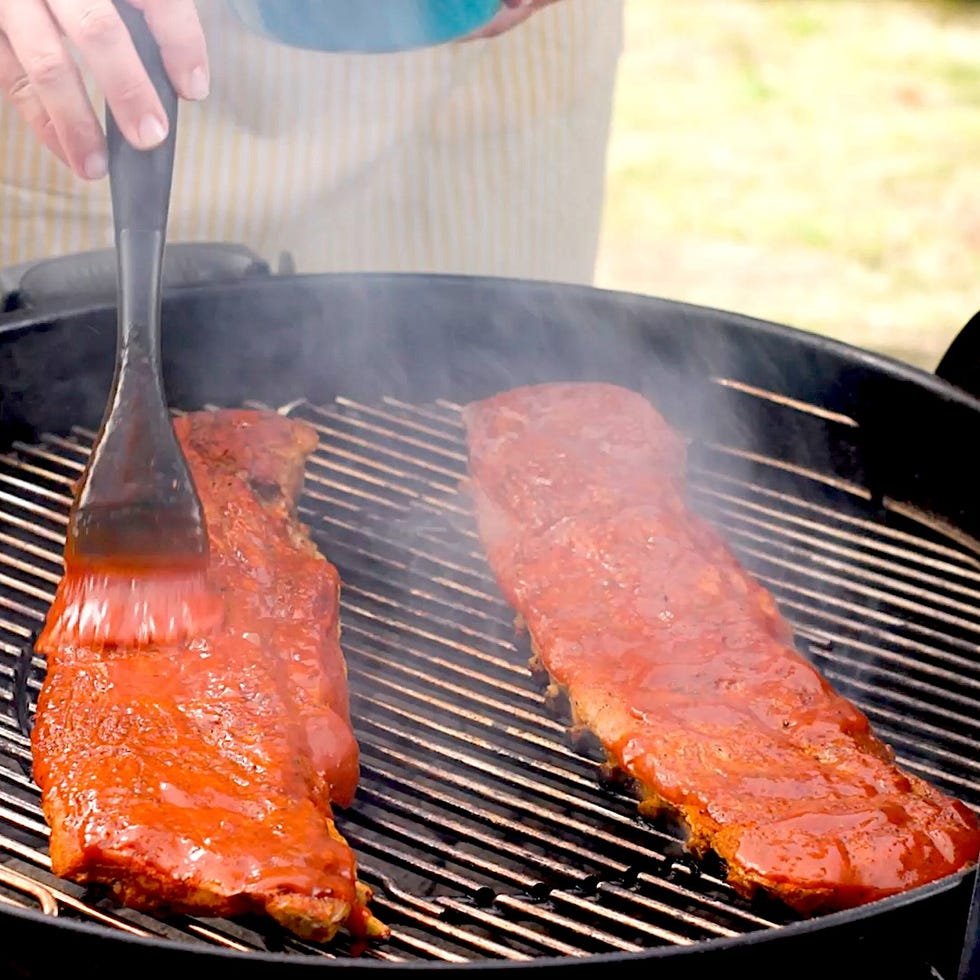
Adding BBQ sauce at the right time gives ribs a tasty glaze. Apply the sauce near the end of cooking to avoid burning it.
- Brush a thin layer of sauce on the ribs about 10 minutes before finishing.
- Close the grill lid and cook for a few minutes to let the sauce set.
- Apply a second layer if you want a thicker coating and cook a few more minutes.
- Use a sauce with your preferred flavor, like sweet, spicy, or smoky.
Resting The Ribs
Resting lets the juices spread through the meat. This keeps the ribs tender and moist when you cut them.
| Resting Time | Purpose |
| 5-10 minutes | Allows juices to settle |
| Covered with foil | Keeps ribs warm |
| Avoid cutting too soon | Prevents juice loss |
Common Mistakes To Avoid
Cooking ribs on a gas grill can be easy and tasty. Many people make mistakes that spoil the flavor or texture. Avoiding these errors helps you get juicy, tender ribs every time.
Here are some common mistakes to watch out for when grilling ribs on a gas grill. Fixing these will improve your cooking results.
Cooking At Too High Heat
Many cooks set the grill too hot to finish ribs quickly. This causes dry, burnt meat. Ribs need low and slow cooking for tenderness. Use indirect heat and keep the temperature around 225°F to 275°F.
Skipping The Pre-cook Step
Some skip pre-cooking ribs before grilling. This step helps make ribs tender. You can boil, bake, or use a slow cooker first. Then finish on the grill for flavor and char.
Not Removing The Membrane
The thin silver skin on the back of ribs can block flavors and toughen the meat. Always peel off this membrane before cooking. It makes ribs softer and lets smoke and sauce soak in.
Applying Sauce Too Early
Many put barbecue sauce on ribs at the start. The sugars in sauce burn at high heat and make a bitter crust. Add sauce in the last 10-15 minutes of grilling to get a nice glaze without burning.
Ignoring Temperature And Time
Ribs need consistent temperature and enough time to cook well. Guessing can cause undercooked or dry ribs. Use a meat thermometer and timer for control.
| Mistake | Effect | Fix |
| Too high heat | Dry, burnt ribs | Cook low and slow at 225-275°F |
| No pre-cook | Chewy ribs | Boil or bake ribs before grilling |
| Membrane left on | Tough texture, less flavor | Remove silver skin before cooking |
| Sauce too early | Burnt, bitter sauce | Apply sauce near end of grilling |
| Ignoring time/temp | Undercooked or dry ribs | Use thermometer and timer |

Credit: cheflolaskitchen.com
Tips For Serving And Storing
Cooking ribs on a gas grill can be easy and fun. After grilling, it is important to serve and store them properly.
Good serving ideas and correct storage keep the ribs tasty and safe to eat later.
Best Side Dishes
Ribs taste great with simple side dishes. Choose sides that balance the rich flavor of ribs.
Fresh vegetables and light salads work well. You can also serve classic BBQ sides.
- Coleslaw adds crunch and freshness
- Baked beans give a sweet and smoky taste
- Corn on the cob is a sweet, juicy side
- Potato salad brings creamy texture
- Grilled vegetables add smoky flavor
Storing Leftovers
Store leftover ribs quickly to keep them safe to eat. Wrap ribs tightly to keep moisture and flavor.
Use airtight containers or heavy-duty foil. Refrigerate within two hours after cooking.
- Wrap ribs in foil or plastic wrap
- Place wrapped ribs in airtight containers
- Keep ribs in the fridge for up to 4 days
- Freeze ribs for longer storage, up to 3 months
- Thaw frozen ribs in the fridge before reheating
Frequently Asked Questions
How Long To Cook Ribs On A Gas Grill?
Cooking ribs on a gas grill typically takes about 1. 5 to 2 hours. Preheat your grill to 225°F and maintain a consistent temperature. Use indirect heat for best results. Always check for doneness with a meat thermometer; ribs should reach an internal temperature of 190°F.
What Temperature Should Gas Grill Be For Ribs?
Set your gas grill to a temperature of 225°F for cooking ribs. This low and slow method ensures tender and juicy ribs. Use indirect heat by turning off burners directly under the ribs. Adjust the grill’s temperature as needed to maintain consistent heat throughout the cooking process.
Do You Flip Ribs On Gas Grill?
Yes, flipping ribs on a gas grill ensures even cooking. Flip them every 30 minutes to prevent burning and to achieve a delicious crust. Use indirect heat to cook the ribs evenly. Make sure to baste with sauce during the last 15 minutes for added flavor.
Can You Grill Ribs Without Foil?
Yes, you can grill ribs without foil for a more authentic barbecue flavor. Use indirect heat to prevent them from drying out. Keep the grill lid closed to maintain consistent temperature. Baste with sauce during the last 15 minutes for a caramelized glaze.
Conclusion
Grilling ribs on a gas grill is simple and rewarding. Keep the heat low and cook slowly for tender meat. Use your favorite rub or sauce to add flavor. Turn ribs often to avoid burning and ensure even cooking. Let the ribs rest a few minutes before serving.
Enjoy the smoky taste right at home. With practice, you will cook ribs like a pro. Happy grilling!