
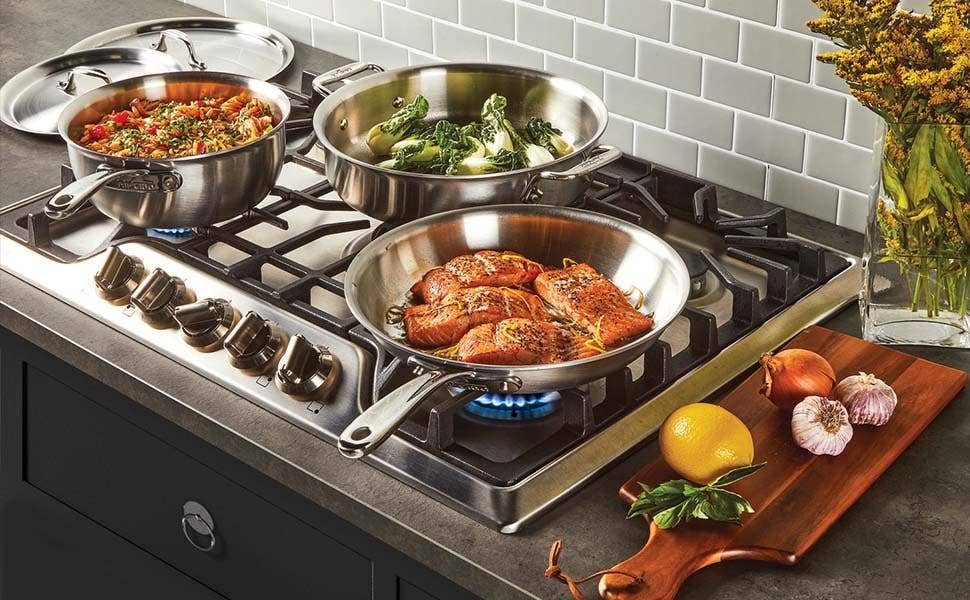
Have you ever struggled with food sticking to your stainless steel cookware? You’re not alone.
Many people face this challenge and end up feeling frustrated in the kitchen. But what if you could transform your cooking experience and make every meal a success? With the right techniques, stainless steel cookware can become your best ally in creating delicious, perfectly cooked dishes.
Imagine the satisfaction of flipping a perfectly seared steak or sautéing vegetables that glide effortlessly across the pan. This guide will help you master the art of cooking on stainless steel, ensuring every meal is a culinary triumph. Ready to discover the secrets that will revolutionize your kitchen skills? Let’s dive in!

Credit: www.reddit.com
Choosing The Right Stainless Steel Cookware
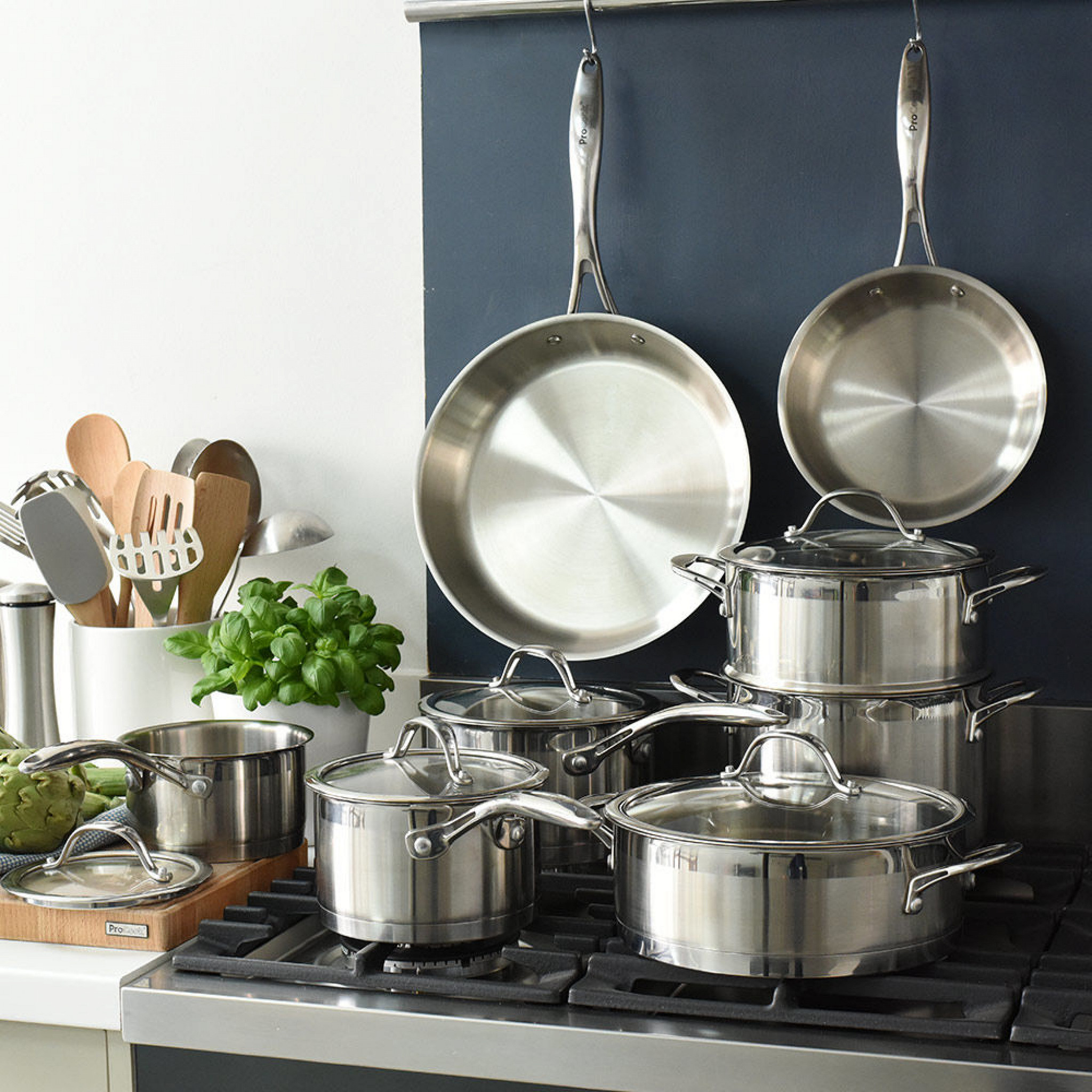
Picking good cookware helps you cook better. Stainless steel is a top choice. It looks shiny and lasts long. But not all are the same. Some have many layers. More layers mean better heat. Tri-ply has three layers. It heats evenly and stops food from sticking. Handles should be strong. They should not get hot. Riveted handles are safer. Also, check the bottom. A flat bottom cooks food well. Dishwasher safe cookware saves time. It’s easy to clean. Always look for these features when buying.
Preheating Techniques
Preheating stainless steel cookware is very important. It helps to cook food evenly. Cold pans can make food stick. This makes cooking very hard. Preheating also saves time. It makes cooking faster. The right temperature makes cooking better. It gives a nice flavor. It helps the food taste great. Proper heat is key for good cooking. Avoid sticking by preheating well.
Testing preheat readiness is simple. Sprinkle water on the pan. If droplets dance, it is ready. This means the pan is hot. Dancing droplets show the right heat. You can start cooking now. No dancing means it is not hot. Wait a bit longer. Water test is easy and quick. It helps to know if the pan is ready. This test is very useful.
Managing Temperature
Cooking with stainless steel cookware requires careful temperature control. Start with medium heat to avoid sticking. Gradually adjust the heat as food cooks to achieve desired results.
Avoiding High Heat
Stainless steel cookware needs careful heat control. High heat can damage the pan. It may cause food to stick. Use medium heat for most cooking. This helps keep food safe. It also protects the pan. Cookware heats up fast. Keep an eye on the flame. Adjust as needed.
Adjusting For Different Foods
Each food cooks differently. Meat needs more heat than vegetables. Start with low heat for veggies. Raise it a bit for meat. Fish cooks quickly. Use gentle heat. Eggs need very low heat. Stir often for even cooking. Try different heat settings. Find what works best.
Credit: www.procook.co.uk
Using Oil Effectively
Choose oils with a high smoke point. Olive oil is good for medium heat. For high heat, use canola or avocado oil. These oils won’t burn easily. This helps in cooking without food sticking.
Start by heating the pan on medium. Add oil when the pan is hot. Tilt the pan to spread the oil evenly. Use enough oil to cover the surface. Too little oil can cause sticking. Adding food to a hot, oiled pan helps prevent this.
Cooking Techniques
Stainless steel cookware offers even heat distribution. Preheat it before adding ingredients to prevent sticking. Use moderate heat for best results.
Searing And Browning
Searing on stainless steel is easy. First, heat the pan on medium. Add a little oil. Wait until the oil is hot. Place the meat in the pan. Don’t move it for a few minutes. This helps it brown. Use a spatula to check the color. Once brown, flip the meat. Repeat on the other side. Browning adds flavor. It also makes a tasty crust.
Simmering And Stewing
Start by heating the pan. Add oil and vegetables. Cook until soft. Add meat and liquids like broth. Bring to a gentle boil. Reduce the heat to low. Cover the pan with a lid. Let it simmer for hours. Stir occasionally. This helps cook the meat well. It also blends flavors nicely.

Credit: madeincookware.com
Cleaning And Maintenance
Cooking on stainless steel cookware requires careful temperature control to prevent food from sticking. Preheat the pan and add oil before cooking to ensure even heat distribution. Clean with mild detergent and non-abrasive scrubbers to maintain the shiny surface. Proper care prolongs the cookware’s lifespan and ensures safe, efficient cooking.
Preventing Stains And Discoloration
Stainless steel cookware can stain if not cared for. After cooking, let it cool. Then wash with warm soapy water. Avoid harsh cleaners. They can scratch the surface. For tough spots, use a paste of baking soda and water. Rub gently to avoid damage. Always dry your cookware after washing. This prevents water spots. Avoid high heat. It can cause discoloration. If discoloration occurs, vinegar can help. Boil vinegar and water in the pan. This often restores shine.
Tips For Long-lasting Cookware
Proper storage helps cookware last longer. Use soft cloths or paper towels to separate pans. This prevents scratches. Avoid metal utensils. They can scratch the surface. Opt for wood or silicone tools. Preheat pans before adding food. This reduces sticking. Always match the pan size to the burner. This ensures even heating. Regular cleaning keeps cookware looking new. Follow these simple tips for long-lasting cookware.
Troubleshooting Common Issues
Food sticks if the pan is not hot enough. Always preheat the pan. Add oil or butter after it’s hot. Use medium heat. Wait for the oil to shimmer before adding food. Ensure food is dry before placing in the pan. Moisture causes sticking. Also, avoid moving food too soon. Let it form a crust first.
Overheating can damage cookware. Always use medium or low heat. Stainless steel conducts heat well. High heat can burn food. Also, it can warp the pan. Always preheat the pan slowly. Add oil or butter to regulate temperature. If overheated, let the pan cool naturally. Do not use cold water on a hot pan.
Frequently Asked Questions
How Do I Keep Food From Sticking To My Stainless Steel Pan?
Preheat the pan properly before adding oil. Use enough oil or butter to coat the surface evenly. Ensure food is dry before cooking. Avoid overcrowding the pan, allowing for even heat distribution. Adjust the heat to prevent burning or sticking.
What Is The Trick To Cooking With Stainless Steel?
Preheat the pan before adding oil to prevent sticking. Use medium heat for even cooking. Ensure food is dry before placing it in the pan. Avoid overcrowding to maintain proper heat distribution. Clean promptly to prevent stubborn stains.
What Foods Should Not Be Cooked In Stainless Steel?
Avoid cooking acidic foods like tomatoes, vinegar-based sauces, and citrus fruits in stainless steel. These can cause discoloration and metallic flavors. It’s best to use non-reactive cookware for such ingredients to maintain taste and quality.
What Is The Rule For Stainless Steel Pans?
Use medium heat to prevent sticking and maintain pan quality. Preheat before adding oil or food. Avoid metal utensils to prevent scratching. Clean with mild detergent and non-abrasive scrubbers. Dry thoroughly to prevent water spots.
Conclusion
Cooking on stainless steel cookware can be easy and enjoyable. Start by preheating your pan correctly. Add a little oil or butter to prevent sticking. Use medium heat for most dishes to avoid burning. Stainless steel is durable and versatile.
It can handle high temperatures and is great for browning meat. Clean your cookware with gentle soap and water. Avoid harsh scrubbers to keep its shine. With practice, you’ll get better results each time. Stainless steel cookware can enhance your cooking skills.
Enjoy your delicious meals with confidence!