
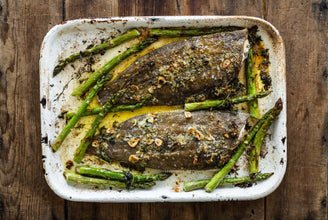
If you want to enjoy a restaurant-quality meal right at home, learning how to cook Dover sole in the oven is a great place to start. This delicate fish is known for its mild flavor and tender texture, making it a favorite for seafood lovers.
But cooking it perfectly can feel tricky. Don’t worry—this guide will show you simple steps to make your Dover sole juicy, flavorful, and beautifully cooked every time. By the end, you’ll have the confidence to impress your family or guests with a dish that looks and tastes amazing.
Ready to become your own chef? Let’s dive in.

Credit: savourthetrip.com
Choosing Fresh Dover Sole
Cooking Dover sole in the oven starts with choosing fresh fish. Freshness affects taste and texture.
Learning how to pick fresh Dover sole helps you make a delicious meal every time.
What To Look For
Fresh Dover sole has clear eyes and shiny skin. The flesh must be firm to the touch.
Check the smell. Fresh fish has a mild, ocean-like scent, not a strong fishy odor.
- Eyes should be clear and bright
- Skin should be moist and shiny
- Flesh should spring back when pressed
- Smell should be fresh and mild
- Gills should be bright red or pink
Where To Buy
Buy Dover sole from trusted fish markets or grocery stores with fresh seafood sections.
Ask the seller about the catch date and origin. Fresh fish is often delivered daily.
- Local fish markets usually offer the freshest choices
- Supermarkets with good seafood counters sell fresh Dover sole
- Seafood specialty stores provide quality fish and advice
- Farmers markets may have fresh catches on certain days
Preparing The Fish
Cooking Dover sole in the oven starts with proper preparation. Preparing the fish well helps keep its delicate texture and flavor.
Focus on cleaning, scaling, and seasoning the fish before cooking. These steps make a big difference in your dish.
Cleaning And Scaling
First, rinse the Dover sole under cold water to remove any surface dirt. Use your fingers to rub gently but firmly.
- Use a fish scaler or the back of a knife to remove scales.
- Scrape from tail to head carefully to avoid damaging the skin.
- Rinse the fish again to wash away loose scales.
- Pat the fish dry with paper towels before seasoning.
Seasoning Tips
Simple seasoning enhances the natural flavor of Dover sole. Use fresh ingredients for the best taste.
| Ingredient | Purpose |
| Salt | Enhances flavor |
| Black pepper | Adds mild heat |
| Lemon slices | Gives fresh aroma |
| Fresh herbs (parsley, thyme) | Boosts herbal notes |
Lightly sprinkle salt and pepper on both sides of the fish. Place lemon slices and herbs inside the cavity or on top before baking.
Selecting Oven Tools
Choosing the right tools makes cooking Dover sole in the oven easier. The right tools help cook the fish evenly and keep it moist.
Using proper baking dishes and wrapping materials improves the fish’s flavor and texture. Good tools also make cleanup simple.
Best Baking Dishes
Pick baking dishes that hold the fish flat and fit your oven. Glass or ceramic dishes work well because they heat evenly.
Shallow dishes are best. They let heat reach the fish quickly and help it cook without drying out.
- Glass baking dishes keep heat steady
- Ceramic dishes add even heat distribution
- Metal pans heat fast but watch for hot spots
- Choose a dish size that fits the fish without crowding
Using Foil And Parchment
Foil and parchment paper help keep the fish moist during cooking. They create a gentle steam inside the wrap.
Foil seals tightly, locking in juices. Parchment is great for a lighter steam and prevents sticking.
- Wrap fish in foil to trap steam and flavors
- Use parchment for a gentler cooking method
- Add herbs or lemon inside wraps for extra taste
- Check for holes in foil to avoid drying out

Credit: pekinthechef.com
Cooking Techniques
Cooking Dover sole in the oven is a gentle way to keep the fish tender and flavorful. Using the right techniques ensures the fish cooks evenly and stays moist.
Understanding temperature control and timing helps you get the best texture and taste from this delicate fish.
Temperature Settings
Set your oven temperature carefully to avoid drying out the fish. A moderate heat cooks the fish gently and preserves its flavor.
- Preheat oven to 350°F (175°C) for even cooking.
- Use a baking dish or tray with sides to keep moisture in.
- Cover the fish with foil if you want to keep it extra moist.
- Check the fish near the end to avoid overcooking.
Timing For Perfect Doneness
The cooking time depends on the size and thickness of the Dover sole. Use a timer and keep an eye on the fish to prevent it from becoming tough.
| Fish Thickness | Oven Temperature | Cooking Time |
| Less than ½ inch | 350°F (175°C) | 8-10 minutes |
| ½ to 1 inch | 350°F (175°C) | 12-15 minutes |
| Over 1 inch | 350°F (175°C) | 15-20 minutes |
Flavor Enhancements
Cooking Dover sole in the oven lets you add flavors that bring out its natural taste. Simple ingredients can make the dish special.
Using herbs, spices, citrus, and butter helps create a tasty and balanced meal. These additions add freshness and richness.
Herbs And Spices
Herbs and spices add aroma and depth to Dover sole. Choose fresh herbs for a bright taste or dried ones for a stronger flavor.
Common herbs like parsley, thyme, and dill work well. Light spices such as black pepper or paprika enhance without overpowering.
- Parsley adds a fresh, green note
- Thyme gives an earthy, subtle flavor
- Dill brings a light, anise-like taste
- Black pepper adds mild heat
- Paprika offers a sweet, smoky touch
Adding Citrus And Butter
Citrus brightens the dish with fresh, tangy flavors. Lemon slices or juice are common choices for Dover sole.
Butter adds richness and smoothness. It helps the fish stay moist and creates a nice sauce with the citrus and herbs.
- Use lemon juice for a zesty finish
- Place lemon slices on top before baking
- Add pats of butter for creaminess
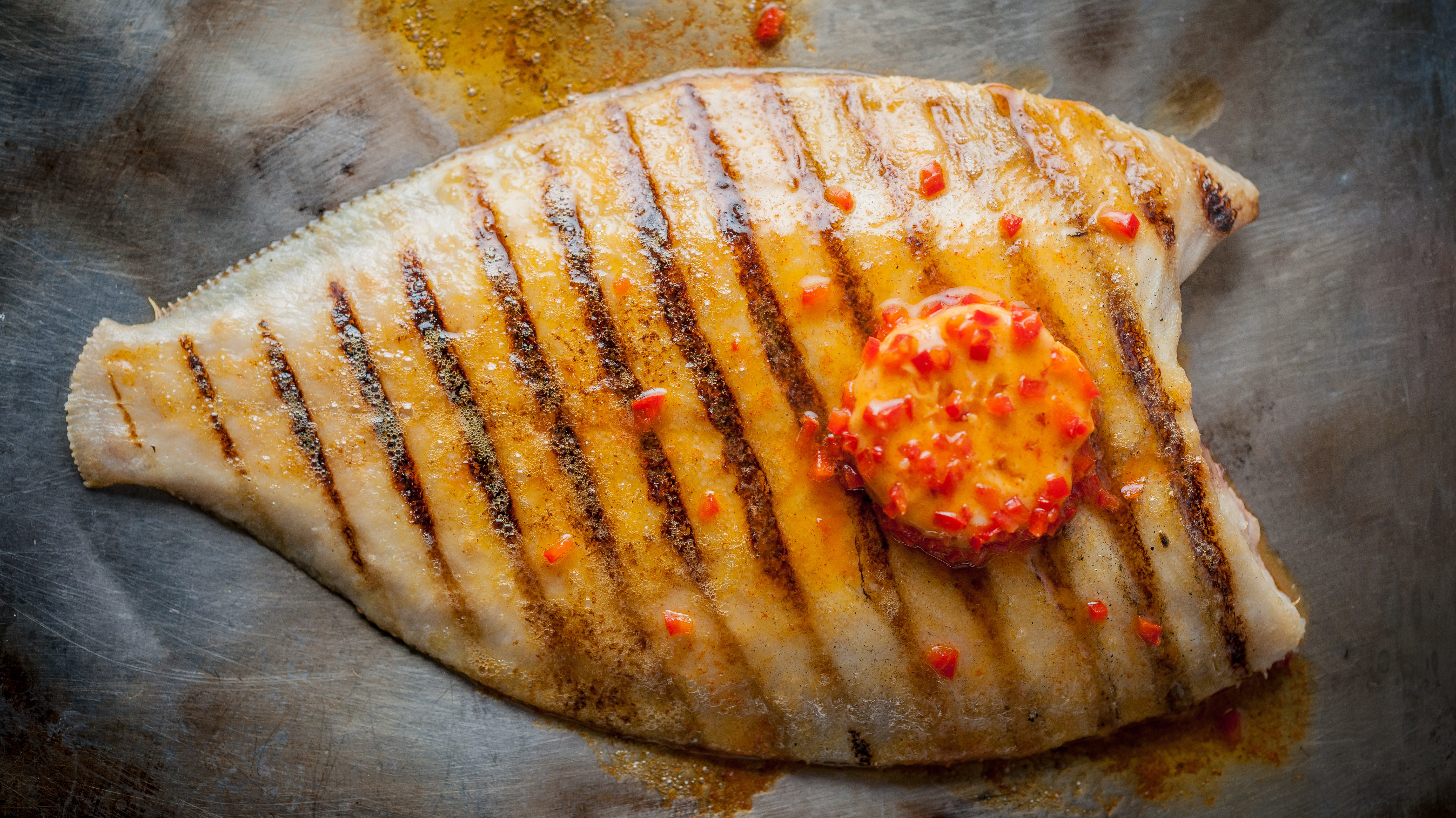
- Melt butter with herbs for a flavorful drizzle
Credit: www.raymondblanc.com
Serving Suggestions
Oven-cooked Dover sole is a delicate and flavorful fish. Serving it right can enhance your dining experience. This guide offers ideas for side dishes and plating.
Try simple pairings and neat presentation to highlight the fish’s natural taste. Choose sides and plating styles that complement the sole.
Side Dishes Pairing
Light, fresh sides work best with Dover sole. Avoid heavy sauces that mask its flavor. Here are good options to serve alongside your fish.
- Steamed asparagus with lemon zest
- Herb roasted baby potatoes
- Simple green salad with vinaigrette
- Garlic sautéed spinach
- Quinoa with fresh parsley
Plating Ideas
Presentation makes your meal more inviting. Use clean plates and arrange food neatly. Add small touches to brighten the dish visually.
| Plating Tip | Description |
| Center the fish | Place Dover sole in the middle for focus |
| Add colorful sides | Use vegetables with bright colors for contrast |
| Use lemon wedges | Garnish with lemon for freshness and look |
| Drizzle olive oil | Lightly drizzle for shine and flavor |
| Sprinkle herbs | Fresh herbs add aroma and decoration |
Troubleshooting Common Issues
Cooking Dover sole in the oven can be simple and tasty. Sometimes, you may face problems like overcooking or a strong fishy smell. These issues affect the flavor and texture of your dish.
Here are some tips to help fix these common problems. Following these steps will make your fish more enjoyable to eat.
Avoiding Overcooking
Overcooked Dover sole becomes dry and tough. To keep it moist and tender, watch the cooking time closely. Use these tips to avoid overcooking your fish.
- Preheat your oven to the correct temperature before cooking.
- Cook the fish for 8-12 minutes depending on thickness.
- Check the fish at the minimum cooking time to test doneness.
- Use a fork to see if the flesh flakes easily and looks opaque.
- Remove the fish from the oven immediately when done.
- Let the fish rest for a few minutes before serving.
Dealing With Fishy Odor
A strong fishy smell can be unpleasant. Fresh Dover sole should smell mild and clean. Here is a table showing causes and solutions for fishy odor.
| Cause | Solution |
|---|---|
| Fish is not fresh | Buy from a trusted source and check the smell before buying. |
| Improper storage | Keep fish cold on ice or in the refrigerator until cooking. |
| Skin and blood not cleaned | Rinse fish well and remove blood spots before cooking. |
| Overcooking | Cook fish just until done to avoid releasing strong odors. |
| Use of strong-flavored seasonings | Use mild herbs and lemon to balance the natural fish smell. |
Frequently Asked Questions
What Is The Best Temperature To Cook Dover Sole In Oven?
The ideal oven temperature for cooking Dover Sole is 400°F (200°C). This ensures the fish cooks evenly and stays moist. Cooking at this temperature usually takes about 12-15 minutes, depending on thickness.
How Long Should I Bake Dover Sole Fillets?
Bake Dover Sole fillets for 12-15 minutes at 400°F (200°C). Check for opaque flesh and easy flaking to confirm doneness. Avoid overcooking to keep the fish tender.
Should I Season Dover Sole Before Baking?
Yes, lightly season Dover Sole with salt, pepper, and lemon juice before baking. Simple seasoning enhances its delicate flavor without overpowering the fish. Fresh herbs like parsley also add a nice touch.
Can I Cook Dover Sole With Skin On Or Off?
You can cook Dover Sole with skin on or off. Keeping the skin helps hold the fish together and adds flavor. Remove the skin after cooking if preferred.
Conclusion
Cooking Dover sole in the oven is simple and tasty. Start with fresh fish and season well. Bake it just right for a soft, flaky texture. Serve with your favorite sides for a complete meal. This method keeps the fish moist and full of flavor.
Try it soon and enjoy a delicious, healthy dinner. Easy steps, great results. Give it a go!