
Are you craving a juicy, tender Denver steak but don’t want to fire up the grill? Cooking Denver steak in the oven is easier than you think.
With just a few simple steps, you can enjoy a perfectly cooked steak right at home. Imagine sinking your teeth into a flavorful, mouthwatering steak that’s cooked just the way you like it. Keep reading, and you’ll discover how to turn your oven into a steakhouse and impress yourself and your guests every time.
Choosing The Right Denver Steak
Denver steak is a flavorful cut that can be cooked perfectly in the oven. Picking the right steak is key to a great meal.
This guide helps you understand what makes Denver steak special and how to choose the best one for cooking.
What Makes Denver Steak Unique
Denver steak comes from the shoulder area of the cow. It has a good balance of tenderness and flavor.
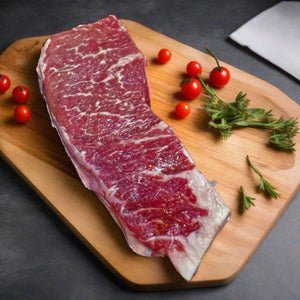
This steak is well-marbled, which means fat is spread evenly inside the meat. This makes it juicy and rich in taste.
Selecting Quality Cuts
Look for Denver steaks with a bright red color and thin white fat lines. These signs show freshness and quality.
- Choose cuts with even marbling for better flavor.
- Avoid steaks with dark spots or dry edges.
- Check the thickness; about one inch is ideal for oven cooking.
- Buy from trusted butchers or stores.
Fresh Vs. Frozen Options
| Aspect | Fresh Denver Steak | Frozen Denver Steak |
|---|---|---|
| Taste | Usually better and more natural | May lose some flavor |
| Texture | More tender | Can be slightly tougher after thawing |
| Storage | Short shelf life | Lasts longer |
| Convenience | Needs quick use | Ready to store for weeks |
Credit: bakeitwithlove.com
Preparing The Steak
Cooking a Denver steak in the oven starts with good preparation. Proper steps before cooking help make the steak tender and flavorful.
Focus on trimming, drying, seasoning, and marinating to get the best results from your steak.
Trimming And Patting Dry
Trim any excess fat or silver skin from the steak. This helps the meat cook evenly and prevents toughness.
Use paper towels to pat the steak dry. Removing moisture helps create a good sear in the oven.
Seasoning Techniques
Season the steak well before cooking. Salt and pepper are classic choices that bring out the meat’s natural flavors.
- Sprinkle salt evenly on both sides.
- Add freshly ground black pepper.
- Optional: Use garlic powder or smoked paprika for extra flavor.
- Press the seasoning gently into the meat.
Brining And Marinating Tips
Brining or marinating can add moisture and flavor. Here is a simple table comparing both methods:
| Method | Purpose | Time Needed | Common Ingredients |
|---|---|---|---|
| Brining | Adds moisture, tenderizes | 30 minutes to 2 hours | Water, salt, sugar |
| Marinating | Adds flavor, tenderizes | 1 to 6 hours | Oil, acid (vinegar or lemon), herbs |
Keep the steak in the fridge while brining or marinating. Pat it dry before cooking for a better crust.
Oven Cooking Methods
Cooking Denver steak in the oven is simple and yields great flavor. You can use different methods to get the best results.
This guide explains three common oven methods to cook Denver steak perfectly every time.
Using The Broiler
The broiler cooks steak with high heat from above. It creates a nice crust on the meat quickly.
Place the steak on a broiler pan or rack about 4 inches from the heat source. Broil for 4 to 6 minutes each side, depending on thickness.
- Preheat the broiler for 5 minutes
- Season the steak with salt and pepper
- Use tongs to flip the steak once
- Let the steak rest for 5 minutes after cooking
Roasting At High Heat
Roasting cooks the steak evenly inside and out. Use a preheated oven at 450°F (232°C) for best results.
Place the steak on a baking tray or roasting pan. Roast for about 10 to 15 minutes, turning halfway through.
| Temperature | Time | Doneness |
| 450°F (232°C) | 10 minutes | Rare |
| 450°F (232°C) | 12 minutes | Medium Rare |
| 450°F (232°C) | 15 minutes | Medium |
Reverse Searing Approach
Reverse searing means roasting the steak first at low heat. Then, sear it in a hot pan for a crispy crust.
Start by roasting the steak at 275°F (135°C) until it reaches an internal temperature of 110°F (43°C). Then, heat a skillet and sear each side for 1 to 2 minutes.
- Preheat oven to 275°F (135°C)
- Roast steak until 110°F internal temperature
- Heat skillet with oil on high
- Sear steak 1-2 minutes per side
- Rest steak for 5 minutes before serving

Credit: meatnbone.com
Step-by-step Cooking Process
Denver steak is a flavorful cut that cooks well in the oven. This guide shows you how to cook it with simple steps.
Follow these instructions to get a juicy and tender steak every time.
Preheating And Preparing The Oven
Start by preheating your oven to 400°F (200°C). This temperature helps cook the steak evenly.
Prepare a baking tray with a wire rack. This lets the heat circulate around the steak.
- Set oven to 400°F (200°C)
- Place a wire rack on a baking tray
- Lightly oil the rack to prevent sticking
Searing Before Baking
Sear the Denver steak in a hot pan for a nice crust. This locks in juices and adds flavor.
Heat a pan with oil over high heat. Sear the steak for 2-3 minutes on each side.
- Use a heavy pan or cast iron skillet
- Heat oil until it shimmers
- Sear steak 2-3 minutes per side
- Do not move steak while searing
Timing And Temperature Guidelines
After searing, place the steak on the wire rack in the oven. Cook until it reaches your desired doneness.
Use a meat thermometer to check the temperature for best results.
| Doneness | Internal Temperature | Oven Time (minutes) |
|---|---|---|
| Rare | 120-125°F (49-52°C) | 4-5 |
| Medium Rare | 130-135°F (54-57°C) | 6-7 |
| Medium | 140-145°F (60-63°C) | 8-9 |
| Well Done | 150°F+ (66°C+) | 10-12 |
Checking Doneness
Cooking Denver steak in the oven needs careful checking. You want the steak just right, not too raw or too dry.
There are easy ways to check doneness. Use tools and simple tests to know when your steak is done perfectly.
Using A Meat Thermometer
A meat thermometer gives the best reading for doneness. It tells you the steak’s exact inside temperature.
Insert the thermometer into the thickest part of the steak. Avoid touching bone or fat for a true reading.
- Rare: 120°F to 125°F (49°C to 52°C)
- Medium rare: 130°F to 135°F (54°C to 57°C)
- Medium: 140°F to 145°F (60°C to 63°C)
- Medium well: 150°F to 155°F (66°C to 68°C)
- Well done: 160°F and above (71°C+)
Visual And Touch Tests
Look at the color of the steak’s surface and juices. This helps guess how cooked it is.
Touch the steak gently with your finger or tongs. Compare its firmness to parts of your hand.
- Rare feels soft like the base of your thumb
- Medium rare feels a bit firmer like touching your thumb and middle finger together
- Well done feels firm like your thumb and pinky finger pressed together
Resting The Steak
Let the steak rest after cooking. This keeps juices inside and makes it juicy.
Rest the steak for 5 to 10 minutes on a warm plate. Cover it loosely with foil to keep heat.

Credit: bakeitwithlove.com
Serving Suggestions
Denver steak cooked in the oven is delicious and juicy. Serving it well makes your meal special.
Simple sides and tasty sauces help bring out the steak’s flavor. Presentation also matters for a great meal.
Complementary Side Dishes
Choose side dishes that balance the rich taste of Denver steak. Vegetables and starches work well.
- Roasted garlic mashed potatoes
- Grilled asparagus or green beans
- Simple garden salad with vinaigrette
- Sauteed mushrooms with herbs
- Sweet corn on the cob
Sauces And Toppings
Sauces add extra flavor to Denver steak. Choose ones that do not overpower the meat.
- Classic chimichurri sauce
- Garlic butter melt on top
- Rich peppercorn sauce
- Fresh salsa verde
- Caramelized onions or grilled peppers
Plating Tips
Arrange the steak and sides neatly on the plate. Use color contrast to make the dish look good.
Place the steak in the center or slightly off-center. Add sides around it, and drizzle sauce carefully.
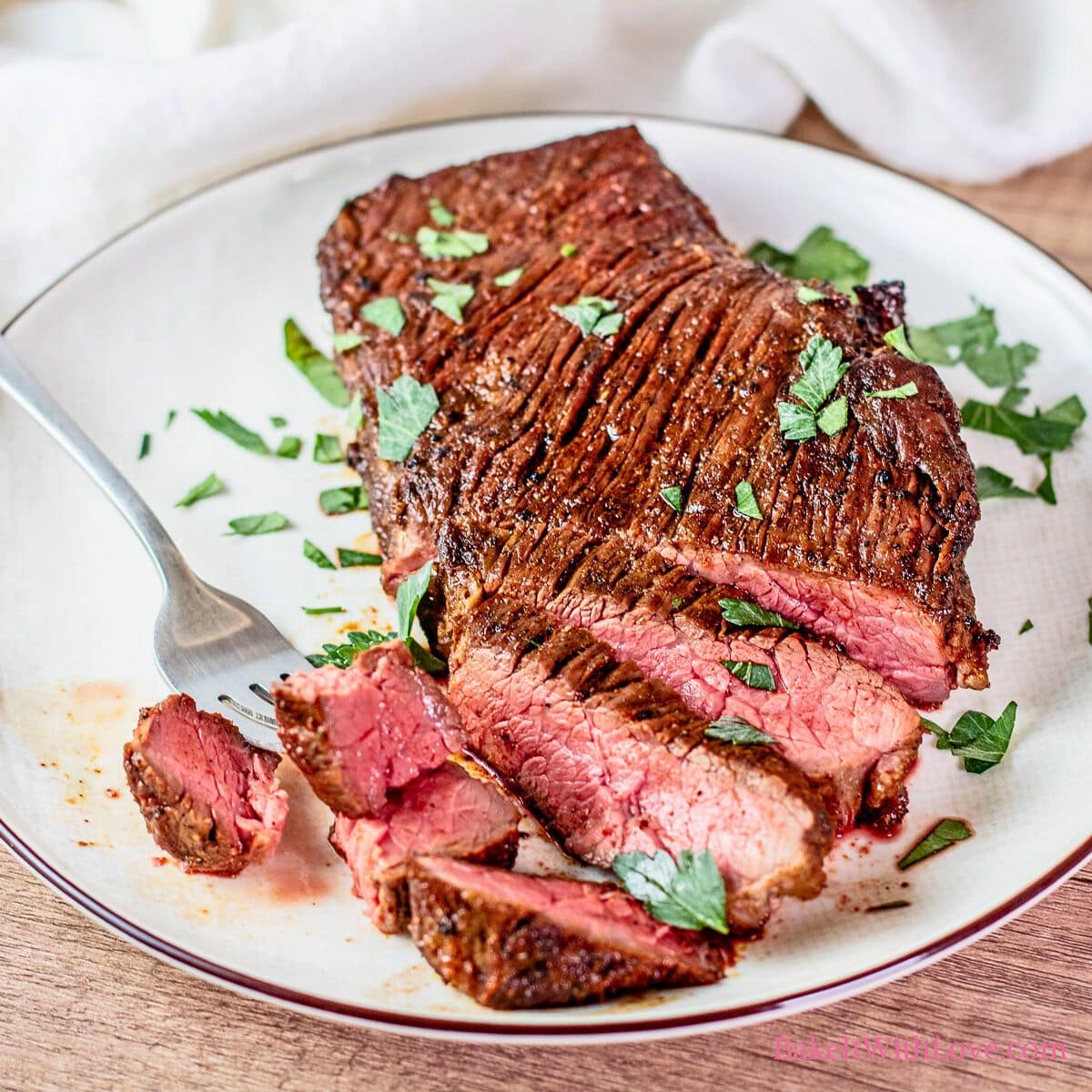
- Slice steak against the grain for tenderness
- Use fresh herbs like parsley for garnish
- Serve on warm plates to keep food hot
- Keep sauce on the side or lightly on top
Common Mistakes To Avoid
Cooking Denver steak in the oven can be simple. Avoiding some common mistakes helps you get a juicy, flavorful steak every time.
Here are key errors to watch out for. Fixing these will make your Denver steak taste better and cook evenly.
Overcooking Pitfalls
Overcooking Denver steak makes it dry and tough. The steak loses its natural juices and flavor when cooked too long.
- Use a meat thermometer to check temperature.
- Cook to medium rare or medium for best texture.
- Set a timer to avoid leaving steak too long.
- Oven temperatures above 400°F can cook steak too fast.
Skipping Rest Time
Resting the steak after cooking lets juices spread evenly. Cutting steak too soon causes the juice to spill out.
| Rest Time | Effect |
| 0 minutes | Juices lost, steak dry |
| 5 minutes | Juices redistribute, steak tender |
| 10 minutes | Best texture and flavor |
Improper Seasoning
Seasoning well is vital for tasty Denver steak. Too little or too much salt changes the flavor badly.
- Season steak with salt and pepper before cooking.
- Use garlic powder or herbs for extra flavor.
- Avoid heavy sauces that hide the steak’s taste.
- Season evenly on both sides.
Faqs About Denver Steak
Denver steak is a tender and flavorful cut. Many people want to know how to store it and cook it well. This guide answers common questions about Denver steak.
We cover storage tips, cooking methods, and what drinks pair best with this steak. Use this to enjoy your Denver steak every time.
Storage And Leftovers
Keep fresh Denver steak in the fridge for up to 3 days. Wrap it tightly to stop air from reaching the meat. Cooked steak lasts 3 to 4 days in the fridge.
- Store raw steak in its original packaging or airtight container.
- Cool cooked steak before refrigerating.
- Freeze steak for up to 6 months for longer storage.
- Thaw frozen steak in the fridge overnight.
Alternative Cooking Methods
You can cook Denver steak in the oven, on the grill, or in a skillet. Each method gives a different flavor and texture. Use a meat thermometer to check doneness.
| Cooking Method | Description | Recommended Temperature |
| Oven | Slow roast or broil for even cooking | 375°F (190°C) |
| Grill | High heat for a smoky flavor | Medium-high heat |
| Skillet | Quick sear for crust and juicy inside | Medium-high heat |
Pairing With Wine And Drinks
Denver steak pairs well with red wines and some beers. Choose drinks that match the steak’s bold flavor. Here are good options to try.
- Cabernet Sauvignon
- Malbec
- Syrah
- Dark ales or stouts
- Non-alcoholic: sparkling water with lemon
Frequently Asked Questions
How Long To Cook Denver Steak In Oven?
Cook Denver steak in a preheated 400°F oven for 10-15 minutes. Cooking time depends on steak thickness and preferred doneness. Use a meat thermometer to check for 130°F for medium-rare. Rest the steak for 5 minutes before serving to retain juices.
Should I Marinate Denver Steak Before Baking?
Marinating Denver steak enhances flavor and tenderness. Use a marinade with acid like vinegar or citrus for 30 minutes to 2 hours. Avoid over-marinating to prevent mushy texture. Marinating is optional but recommended for juicier, more flavorful steak.
Can I Cook Denver Steak Without Searing First?
Yes, but searing first locks in juices and adds flavor. Sear the steak in a hot pan for 2-3 minutes per side. Then finish cooking in the oven. Skipping searing might result in less caramelized crust and reduced taste.
What Internal Temperature Is Best For Denver Steak?
Aim for 130°F for medium-rare, 140°F for medium. Use a meat thermometer inserted into the thickest part. Remove steak from oven when 5°F below target as it continues to cook while resting. Proper temperature ensures juicy, perfectly cooked steak.
Conclusion
Cooking Denver steak in the oven is simple and quick. Start with a good seasoning and preheat your oven well. Watch the steak closely to avoid overcooking. Rest the steak after cooking for better flavor and texture. Try different spices to find your favorite taste.
Oven cooking keeps the steak juicy and tender. Enjoy a delicious meal with little effort. Practice makes perfect, so keep trying this easy method. Your Denver steak will turn out tasty every time.