
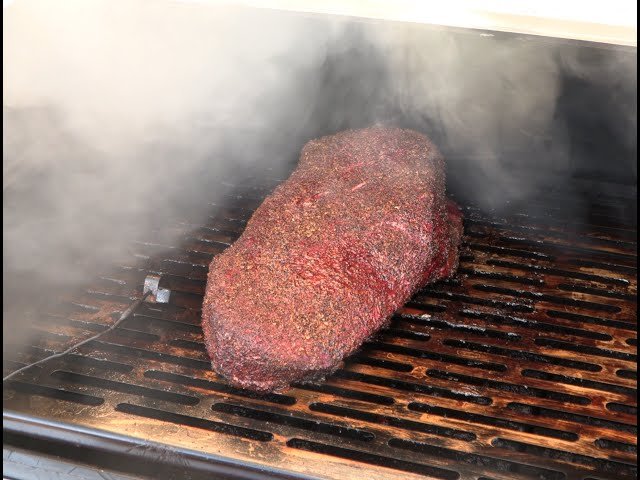
If you’ve ever wondered how to cook brisket on your built-in grill, you’re in the right place. Brisket can be tough, tricky, and time-consuming—but when done right, it turns into tender, juicy perfection that will impress everyone at your table.
This guide will walk you through simple, step-by-step tips to master brisket cooking on your grill. By the end, you’ll know exactly how to get that rich, smoky flavor and melt-in-your-mouth texture every single time. Ready to become the grill master you’ve always wanted to be?
Let’s get started.
Credit: www.youtube.com
Choosing The Right Brisket
Cooking brisket on a built-in grill starts with picking the right meat. The quality and cut affect the flavor and tenderness.
Understanding brisket types helps you buy meat that suits your cooking style and taste.
Selecting Quality Meat
Look for brisket with good marbling. Fat inside the meat keeps it juicy and adds flavor. Avoid dry or very lean pieces.
- Choose meat with a bright red color
- Look for white fat, not yellow
- Pick brisket with even fat coverage on one side
- Check the sell-by date to ensure freshness
- Buy from trusted butchers or stores
Understanding Brisket Cuts
Brisket has two main parts: the flat and the point. Each has different fat and texture.
| Cut | Description | Best Use |
| Flat | Lean and uniform shape | Good for slicing |
| Point | More fat and marbling | Great for shredding and rich flavor |
Preparing Your Grill
Cooking brisket on a built-in grill needs good preparation. A clean and hot grill helps the meat cook evenly.
Setting up your grill properly is key to get tender and juicy brisket. Follow these steps before you start cooking.
Cleaning And Preheating
Clean your grill grates to remove old food and grease. This keeps your brisket from sticking and adds better flavor.
After cleaning, preheat the grill to the right temperature. This helps start cooking the brisket evenly from the start.
- Scrape grill grates with a wire brush
- Wipe with a damp cloth to remove debris
- Turn on the grill and heat to 225°F to 275°F
- Close the lid and let it heat for 15 minutes
Setting Up For Indirect Heat
Brisket cooks best with indirect heat. This means the heat source is not directly under the meat.
Set your built-in grill to indirect heat by turning on burners on one side only. Place the brisket on the cooler side.
- Turn on burners on one side of the grill
- Leave the other side off to create a cooler zone
- Place a drip pan under the brisket on the cooler side
- Close the lid to keep the heat steady around the meat
Seasoning The Brisket
Seasoning is key to making your brisket tasty on a built-in grill. It adds flavor and helps form a nice crust.
You can use simple spice rubs or marinate the meat before grilling. Both ways improve the taste.
Simple Spice Rubs
Simple spice rubs are easy to make and work well on brisket. They add flavor without being too strong.
Mix salt, pepper, and other spices you like. Rub the mix all over the brisket before cooking.
- 2 tablespoons kosher salt
- 1 tablespoon black pepper
- 1 tablespoon paprika
- 1 teaspoon garlic powder
- 1 teaspoon onion powder
Marinating Tips
Marinating brisket helps make it tender and adds deep flavors. Use a marinade with acid and spices.
Keep the brisket in the marinade for at least 4 hours or overnight. This lets the flavors soak in well.
- Use ingredients like vinegar, lemon juice, or soy sauce for acid
- Add garlic, herbs, and spices for extra taste
- Keep the meat covered and refrigerated while marinating

Credit: www.youtube.com
Cooking Process
Cooking brisket on a built-in grill takes patience and attention. Keeping control of heat, smoke, and moisture is key.
This guide covers how to maintain temperature, use a meat thermometer, and manage smoke and moisture for the best results.
Maintaining Temperature
Keep the grill temperature steady between 225°F and 275°F. This low and slow heat cooks the brisket evenly and makes it tender.
- Preheat the grill for at least 15 minutes before placing the brisket.
- Use the grill’s built-in temperature controls to adjust heat as needed.
- Avoid opening the grill lid often to keep the temperature stable.
- If the temperature drops, add small amounts of charcoal or wood chips.
- Use a water pan inside the grill to help regulate heat and add moisture.
Using A Meat Thermometer
A meat thermometer ensures the brisket reaches the safe and perfect doneness. Insert it into the thickest part without touching bone or fat.
| Internal Temperature | Brisket Stage |
| 160°F (71°C) | Start of the Stall (fat rendering) |
| 190°F – 205°F (88°C – 96°C) | Fully cooked and tender |
| Below 160°F | Needs more cooking time |
Managing Smoke And Moisture
Smoke adds flavor, but too much can make the brisket bitter. Moisture keeps the meat juicy during long cooking times.
Follow these tips:
- Use hardwood chips like oak or hickory for mild smoke flavor.
- Soak wood chips in water for 30 minutes before adding to the grill.
- Place a water pan near the heat source to keep the environment moist.
- Spritz the brisket with apple juice or broth every hour.
- Close the grill lid quickly after adding wood chips to trap smoke.
Resting And Slicing
Resting and slicing brisket properly makes it tender and juicy. After cooking, take time to let the meat settle before cutting.
Cutting the meat the right way helps keep it soft and easy to eat. Learn how to rest and slice your brisket on a built-in grill.
Allowing The Meat To Rest
Resting lets the juices spread evenly inside the brisket. This keeps the meat moist and full of flavor.
- Remove the brisket from the grill.
- Wrap it loosely in aluminum foil.
- Let it rest for at least 30 minutes.
- Keep it in a warm place during resting.
- Avoid cutting too early to prevent juice loss.
Cutting Against The Grain
Cutting against the grain breaks the muscle fibers and makes the brisket easier to chew. Always look for the grain direction before slicing.
| Tip | Why it matters |
| Identify the grain | Find lines running along the meat surface |
| Slice perpendicular | Cut across the grain for tender pieces |
| Use a sharp knife | Make clean cuts without tearing meat |
| Slice thinly | Thin slices are easier to eat and stay juicy |
Serving Suggestions
Cooking brisket on a built-in grill produces rich, smoky flavors. Serving it well enhances the entire meal.
Choosing the right sides and sauces makes the brisket taste even better. Here are ideas to try.
Side Dishes That Complement
Brisket pairs well with sides that balance its bold flavor. Pick dishes that add freshness or creaminess.
- Coleslaw adds a crunchy, tangy contrast
- Mashed potatoes offer creamy comfort
- Grilled vegetables bring smoky notes
- Baked beans provide a sweet, hearty touch
- Cornbread adds a soft, buttery side
These sides keep the meal balanced and enjoyable.
Sauces And Toppings
Sauces add moisture and extra flavor to brisket. Choose toppings that suit your taste.
- Classic barbecue sauce for a sweet and smoky flavor
- Horseradish cream for a spicy, creamy kick
- Pickled jalapeños to add heat and tang
- Caramelized onions for a sweet, rich topping
- Fresh herbs like parsley or cilantro for brightness
Use sauces and toppings to create a delicious, personalized brisket meal.
Troubleshooting Common Issues
Cooking brisket on a built-in grill can be tricky. You might face problems like dry meat or uneven cooking.
Knowing how to fix these issues helps you enjoy a juicy and tasty brisket every time.
Dealing With Dry Brisket
Dry brisket happens when the meat loses too much moisture. This can make the brisket tough and less enjoyable.
To prevent dryness, keep the temperature low and cook the brisket slowly. Wrapping the brisket in foil can also help keep moisture inside.
- Cook at a temperature around 225°F (107°C)
- Use a meat thermometer to avoid overcooking
- Wrap brisket in foil halfway through cooking
- Let the brisket rest before slicing
Fixing Uneven Cooking
Uneven cooking means some parts of the brisket are done while others are undercooked. This happens if heat is not spread well on the grill.
Check your grill’s heat zones and place the brisket where heat is steady. Rotate the brisket during cooking to cook all sides evenly.
- Preheat the grill properly before cooking
- Use indirect heat to avoid hot spots
- Rotate the brisket every hour
- Check internal temperature in different spots

Credit: cookswithsoul.com
Frequently Asked Questions
How Long To Cook Brisket On Built-in Grill?
Cooking brisket on a built-in grill typically takes about 1. 5 hours per pound. Maintain a consistent temperature of 225-250°F. Use a meat thermometer to ensure the internal temperature reaches 190-205°F. This ensures tenderness and flavor. Always allow the brisket to rest for 30 minutes before slicing.
What Seasoning Is Best For Grilled Brisket?
A simple rub of salt, pepper, and garlic powder works wonders. For more flavor, add paprika, onion powder, and brown sugar. The seasoning should complement the beef’s natural flavors. Apply generously and let it sit for at least an hour.
This ensures the flavors penetrate the meat.
How To Keep Brisket Moist On Grill?
To keep brisket moist, use a water pan inside the grill. This helps maintain humidity. Baste the brisket occasionally with a mix of broth and melted butter. Wrapping the brisket in foil halfway through cooking helps retain moisture. Letting it rest post-cooking redistributes the juices.
Can You Smoke Brisket On A Built-in Grill?
Yes, you can smoke brisket on a built-in grill using wood chips. Soak the wood chips in water for 30 minutes. Place them in a smoker box or foil pouch. Maintain a low, steady temperature. This imparts a smoky flavor to the brisket, enhancing its taste.
Conclusion
Cooking brisket on a built-in grill takes time and patience. Keep the heat low and steady for the best taste. Use a meat thermometer to check doneness. Let the brisket rest before slicing to keep it juicy. Experiment with spices and wood chips for flavor.
Enjoy the process as much as the meal. This method delivers tender, flavorful brisket every time. Your grill can make delicious meals with simple steps. Give it a try and savor the results.