

Are you ready to enjoy the perfect baked potato, crispy on the outside and soft on the inside? Cooking a baked potato in a convection oven is easier and faster than you might think.
Whether you want a quick side dish or a comforting snack, mastering this simple technique will change the way you cook potatoes forever. Keep reading, and you’ll discover easy steps to get that golden, fluffy potato every single time. Your taste buds will thank you!

Credit: www.favfamilyrecipes.com
Choosing The Right Potato
Picking the right potato is key for a perfect baked potato. The type of potato affects taste and texture.
Some potatoes bake better in a convection oven than others. Let’s look at the best choices.
Best Potato Varieties
Russet potatoes are the most popular for baking. They have a thick skin and fluffy inside.
Yukon Gold potatoes also work well. They have a buttery flavor and a creamy texture.
- Russet: Best for fluffy, classic baked potatoes
- Yukon Gold: Creamy and rich taste
- Red potatoes: Less common, but good if you want a firmer texture
Size And Texture Considerations
Choose medium-sized potatoes for even cooking in a convection oven. Very large potatoes may cook unevenly.
Look for potatoes with smooth skin and no green spots. These will bake better and taste fresher.
- Medium size: Cooks evenly in convection ovens
- Smooth skin: Avoid bruises and green patches
- Firm texture: Indicates freshness and good baking quality
Preparing The Potato
Before baking a potato in a convection oven, you need to get it ready. Proper preparation helps the potato cook well and taste better.
This guide covers how to wash, prick, and season the potato before baking.
Washing And Scrubbing
Start by washing the potato under cold running water. This removes dirt and debris from the skin.
Use a vegetable brush to scrub the potato gently. Focus on any rough spots to clean them well.
- Hold the potato firmly while scrubbing
- Rinse again after scrubbing to remove loosened dirt
- Dry the potato with a clean towel
Pricking And Seasoning
Prick the potato with a fork a few times. This lets steam escape and stops the potato from bursting.
Next, rub the potato with a little oil and sprinkle salt on the skin. This helps the skin get crispy and tasty.
- Use a fork to prick 4 to 6 holes evenly
- Apply a small amount of olive or vegetable oil
- Sprinkle coarse salt or sea salt over the skin
Setting Up The Convection Oven
Using a convection oven can help cook baked potatoes evenly and quickly. Proper setup is important for the best results.
This guide covers the key points to prepare your convection oven before baking.
Temperature Settings
Set your convection oven temperature lower than a regular oven. This prevents overcooking the outside while the inside cooks.
- Preheat the oven to 375°F (190°C).
- Use the convection bake mode if your oven has one.
- Avoid setting temperatures above 400°F to stop burning the skin.
Rack Positioning
Place the potato on the correct rack for even air circulation and heat distribution.
| Rack Position | Effect on Cooking |
|---|---|
| Middle Rack | Best for even cooking and browning |
| Lower Rack | May cause slower cooking and less crisp skin |
| Upper Rack | Can brown the skin too fast, risking burning |
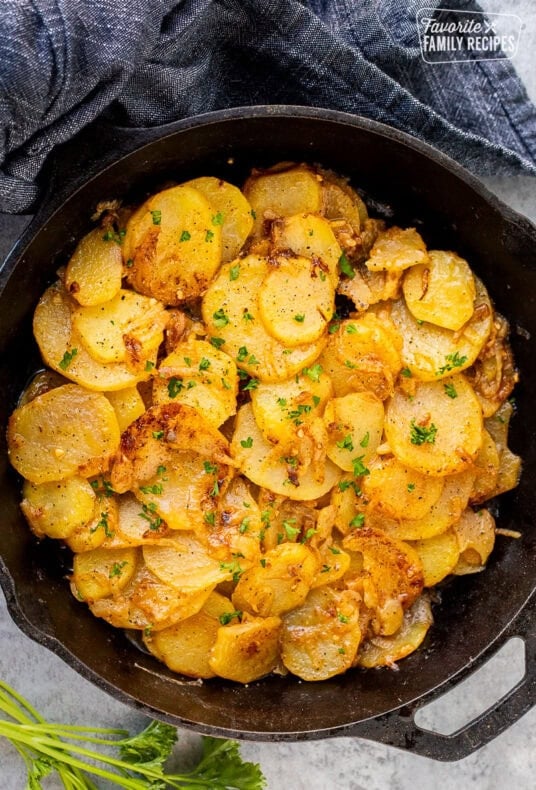
Credit: www.favfamilyrecipes.com
Baking Process
Baking a potato in a convection oven is easy. The hot air cooks the potato evenly.
This method gives a crispy skin and soft inside. Let’s look at how to bake it right.
Timing Guidelines
Preheat your convection oven to 400°F (200°C). Place the potato on a baking tray.
Bake the potato for about 40 to 50 minutes. Smaller potatoes need less time.
- Small potatoes: 35 to 40 minutes
- Medium potatoes: 40 to 50 minutes
- Large potatoes: 50 to 60 minutes
Checking For Doneness
To check if the potato is done, insert a fork or skewer. It should slide in easily.
If it feels hard inside, bake for 5 to 10 more minutes. Check again to avoid overcooking.
Enhancing Flavor
Baked potatoes in a convection oven can taste even better with some simple tricks. Adding oils, herbs, and fillings can boost their flavor. These tips help make your baked potato more delicious and exciting.
Using the right ingredients and techniques enhances the natural taste of the potato. Let’s explore how to use oils and herbs and some tasty stuffing ideas.
Using Oils And Herbs
Coating your potato with oil helps the skin get crispy and locks in moisture. Herbs add fresh, earthy flavors that pair well with the potato’s natural taste.
- Use olive oil or melted butter for a rich flavor and crisp skin.
- Sprinkle salt and black pepper to enhance the taste.
- Add dried herbs like rosemary, thyme, or oregano for aroma.
- Fresh herbs such as chives or parsley work well after baking.
- Rub garlic powder or onion powder on the skin for extra zest.
Stuffing Ideas
Stuffing your baked potato adds texture and layers of flavor. Choose simple or rich fillings based on your taste.
| Stuffing | Description | Flavor Profile |
| Sour Cream and Chives | Classic, creamy filling with fresh herbs. | Cool and tangy |
| Cheese and Bacon | Melty cheese mixed with crispy bacon bits. | Rich and savory |
| Steamed Broccoli and Cheddar | Healthy vegetable paired with sharp cheese. | Fresh and sharp |
| Chili and Onions | Spicy chili topped with sautéed onions. | Bold and spicy |
| Guacamole and Salsa | Fresh avocado mix with zesty salsa. | Bright and tangy |

Credit: www.cuisinart.com
Serving Suggestions
Baked potatoes made in a convection oven are crispy outside and soft inside. They make a great base for many tasty toppings and sides.
Serving your baked potato with the right extras can turn a simple dish into a full meal. Here are some ideas for toppings, sides, and presentation.
Toppings And Sides
Add toppings to your baked potato to boost flavor and texture. Choose from creamy, crunchy, or spicy options.
- Sour cream and chives
- Grated cheddar or mozzarella cheese
- Crispy bacon bits
- Steamed broccoli or sautéed mushrooms
- Butter with salt and pepper
- Chili or baked beans
- Fresh salsa or guacamole
Pair your potato with sides to make a balanced meal. Fresh salads and grilled vegetables work well.
- Garden salad with vinaigrette
- Steamed green beans or asparagus
- Roasted chicken or grilled fish
- Coleslaw or corn on the cob
- Garlic bread or dinner rolls
Presentation Tips
Presentation makes your baked potato more inviting. Use a plate that shows off the potato well.
Cut the potato open just before serving. Fluff the inside with a fork to add volume and texture.
- Place the potato on a clean, white plate
- Add toppings neatly to avoid mess
- Use fresh herbs like parsley or chives for color
- Serve with a small bowl of extra toppings on the side
- Include a fork and knife for easy eating
Troubleshooting Common Issues
Baking potatoes in a convection oven is quick and easy. Still, some common problems can happen. These issues can affect the taste and texture of your potatoes.
This guide helps you fix two common problems: soggy potatoes and overcooking. Follow these tips to get perfect baked potatoes every time.
Avoiding Soggy Potatoes
Soggy potatoes happen if moisture stays on the skin or inside. This makes the potato soft and less tasty. To avoid soggy potatoes, dry them well before baking.
Use a fork to poke holes in the potato skin. This helps steam escape and keeps the skin crisp. Also, coat the potato with a little oil and salt for better texture.
- Dry potatoes with a clean towel before cooking.
- Prick the skin with a fork several times.
- Lightly rub oil and salt on the skin.
- Place potatoes on a wire rack for air circulation.
- Avoid wrapping potatoes in foil before baking.
Preventing Overcooking
Overcooked potatoes become dry and tough inside. This happens if you bake them too long or at too high a temperature. Use a timer and check potatoes often to stop overcooking.
Set your convection oven to 375°F (190°C). Bake potatoes for about 35-45 minutes depending on size. Test doneness by poking with a fork; it should slide in easily without resistance.
- Preheat oven to 375°F (190°C).
- Bake medium potatoes for 35-45 minutes.
- Check potatoes with a fork after 30 minutes.
- Remove potatoes as soon as fork slides in easily.
- Use similar-sized potatoes for even cooking.
Frequently Asked Questions
How Long To Bake A Potato In A Convection Oven?
Bake a medium potato at 400°F (204°C) for 35-40 minutes. Convection ovens cook faster due to circulating hot air. Check doneness by piercing with a fork; it should be tender and soft inside.
Should I Wrap Potatoes In Foil For Convection Baking?
No, avoid foil when baking in a convection oven. Foil traps moisture, resulting in steamed, not crispy, skin. For a crispy crust, bake potatoes directly on the oven rack.
What Temperature Is Best For Convection Baked Potatoes?
Set the convection oven to 400°F (204°C) for optimal baking. This temperature ensures even cooking and crispy skin within 35-40 minutes. Adjust time for larger or smaller potatoes accordingly.
How To Prepare Potatoes Before Baking In Convection Oven?
Wash and dry potatoes thoroughly. Pierce skins with a fork to release steam. Optionally, rub with oil and salt for crispy, flavorful skin. This prep ensures well-cooked, tasty baked potatoes.
Conclusion
Baking a potato in a convection oven is simple and quick. The hot air cooks the potato evenly and makes the skin crispy. Just follow the steps carefully, and you will get a perfect baked potato every time. This method saves time compared to a regular oven.
Enjoy your delicious potato with your favorite toppings. Cooking at home can be easy and tasty. Try this method and see how good a baked potato can be. Cooking should always be fun and rewarding.