
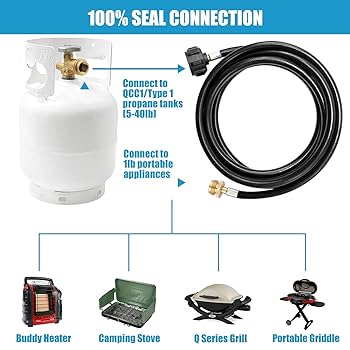
Are you ready to fire up your gas grill but not sure how to connect your propane tank safely? Connecting a propane tank might seem tricky, but with the right steps, you can do it quickly and confidently.
Imagine the smell of sizzling food and the joy of grilling without any worry about leaks or mistakes. In this guide, you’ll learn exactly how to connect your propane tank to your gas grill the right way—keeping you safe and your grill working perfectly.
Keep reading, and you’ll be grilling like a pro in no time!

Credit: www.bogleheads.org
Gather Necessary Tools
Connecting a propane tank to a gas grill needs the right tools. Using proper tools ensures safety and a good fit.
Before starting, gather all tools to avoid interruptions and complete the task smoothly.
Check Propane Tank Condition
Inspect the propane tank for rust, dents, or leaks. A damaged tank can be dangerous to use.
- Look for rust or corrosion on the tank surface.
- Check the tank valve for cracks or leaks.
- Ensure the tank has a current inspection date.
- Verify the tank is not empty or near empty.
Inspect Grill Components
Examine the grill’s gas connection parts. Make sure all components are clean and work properly.
| Component | What to Check | Why It Matters |
|---|---|---|
| Gas Hose | No cracks or holes | Prevents gas leaks |
| Regulator | Proper connection and no damage | Controls gas flow safely |
| Connector Fittings | Secure and clean threads | Ensures tight seal |
| Igniter | Clean and sparks easily | Starts the grill quickly |
Prepare Propane Tank
Before you connect your propane tank to the gas grill, you must prepare it safely. Preparing the tank helps prevent leaks and fires.
Follow the simple steps to get your propane tank ready for use with your grill.
Remove Protective Cap
Start by removing the protective cap from the propane tank valve. This cap keeps dirt and debris out of the valve.
Turn the cap counterclockwise to unscrew it. Store the cap in a safe place for later use.
Check Valve Status
Look closely at the valve for any damage or dirt. The valve must be clean and in good condition to prevent gas leaks.
Make sure the valve is fully closed before connecting the tank to the grill. Turn the valve knob clockwise until it stops.
Attach Regulator To Tank
Connecting the propane tank to your gas grill starts with attaching the regulator. This part controls gas flow from the tank to the grill.
It is important to attach the regulator properly to avoid leaks and ensure safety while grilling.
Align Connector Properly
First, locate the connector on the regulator and the valve on the propane tank. Make sure they match in size and shape.
Hold the regulator straight and line up the connector with the tank valve. Avoid tilting or forcing the parts.
- Check for dirt or debris on the valve and connector.
- Keep the connector in line with the tank valve.
- Do not use tools to force alignment.
Tighten Connection Securely
Once aligned, turn the regulator connector clockwise to tighten it. Use your hand to tighten it firmly.
Do not over-tighten as this can damage the parts. The connection should feel snug and secure.
- Hand-tighten the connector until it stops.
- Check for any gas smells after connection.
- Use a soap and water mix to check for leaks if needed.
Connect Hose To Grill
Connecting the propane hose to your gas grill is an important task. It helps gas flow safely from the tank to the grill.
Follow simple steps to make sure the hose fits well and does not leak.
Locate Hose Connector
First, find the hose connector on your gas grill. It is usually near the bottom or side of the grill.
The connector looks like a small metal or plastic fitting where the hose attaches.
- Check the back or side panel of the grill.
- Look for a threaded metal piece sticking out.
- Make sure the area is clean and free of dirt.
Secure Hose Fitting
Attach the hose to the connector by turning the fitting clockwise. Tighten it by hand until it feels snug.
Use a wrench for a final gentle turn, but do not over-tighten. Over-tightening can damage the fitting.
- Place the hose fitting on the grill connector.
- Turn the fitting to the right (clockwise).
- Hand-tighten until it stops moving.
- Use a wrench for one more quarter turn.
- Check the connection for leaks before use.
Test For Leaks
After you connect the propane tank to the gas grill, you need to check for leaks. This step is very important for safety. A small leak can cause dangerous gas buildup.
You can test for leaks using a simple soapy water solution. This method helps you find any escaping gas by looking for bubbles.
Apply Soapy Water Solution
Make a soapy water mix by adding a few drops of dish soap to water. Stir it well to create bubbles when air escapes. Use a spray bottle or a cloth to apply the solution.
Coat the gas connections and hoses with the soapy water. Focus on the area where the propane tank connects to the grill. Make sure the surface is wet enough to show bubbles.
Inspect For Bubbles
Turn on the gas slowly without lighting the grill. Watch the soapy water carefully. If you see bubbles forming, it means gas is leaking.
Check all connections and hoses. Look for small or large bubbles. Even tiny bubbles need to be fixed before using the grill.
- Bubbles mean a gas leak is present
- No bubbles mean the connection is tight
- Fix leaks by tightening or replacing parts
- Repeat the test after fixing leaks
Turn On The Grill Safely
Turning on your gas grill safely is very important. It helps prevent accidents and keeps you safe.
Follow simple steps to open the propane tank and light the grill burner correctly.
Open Propane Valve Slowly
Open the propane tank valve slowly to avoid gas bursts. This reduces the risk of a fire or explosion.
Turn the valve handle counterclockwise just a little bit at first. You should hear a soft hissing sound.
- Check for gas leaks before lighting
- Turn valve slowly to control gas flow
- Stop if you smell strong gas
Ignite Grill Burner
After opening the valve, press the ignition button on the grill. This lights the burner safely.
If your grill has no ignition button, use a long match or lighter carefully near the burner.
- Make sure grill lid is open before lighting
- Light burners one at a time
- Turn knobs to low if flame is too high
Maintenance Tips
Keeping your propane tank and gas grill in good shape is very important. Regular care helps you stay safe and enjoy grilling longer.
Check your propane setup often. Store the tank correctly to avoid damage and leaks. These simple tips keep your grill ready.
Regular Leak Checks
Leaks can cause dangerous fires. Test for leaks before every use. Use a soap and water mix on all connections. Look for bubbles to find leaks.
- Turn off the gas supply before testing.
- Mix water and dish soap in a spray bottle.
- Spray the solution on hose connections and valves.
- Watch for bubbles forming to spot leaks.
- If you find a leak, tighten the connection or replace parts.
- Never use a flame to check for leaks.
Proper Storage Of Tank
Store propane tanks upright in a cool, dry place. Avoid storing tanks indoors or in hot areas. Keep the tank valve closed tightly.
| Storage Tip | Why It Matters |
|---|---|
| Keep tank upright | Prevents gas leaks and pressure issues |
| Store outside, away from heat | Reduces risk of explosion from heat exposure |
| Keep valve closed | Stops gas from escaping |
| Use protective cap on valve | Protects valve from damage and dirt |
| Place on stable, flat surface | Keeps tank from tipping over |

Credit: skotti-grill.eu

Credit: www.amazon.com
Frequently Asked Questions
How Do I Safely Connect A Propane Tank?
To safely connect a propane tank, ensure the grill is off. Attach the regulator hose to the tank valve. Hand-tighten the coupling nut. Open the tank valve slowly to check for leaks. Use soapy water on connections to spot bubbles.
If bubbles form, tighten connections.
What Tools Are Needed To Connect A Propane Tank?
No special tools are needed to connect a propane tank. Simply use your hands to secure the connections. Ensure that the regulator hose is attached properly. A wrench may be used if necessary. Always perform a leak test after connecting to ensure safety.
How Do I Check For Propane Leaks?
To check for leaks, apply soapy water to connections. Open the tank valve and look for bubbles. Bubbles indicate a leak. If you see bubbles, tighten connections and test again. Always ensure connections are secure and leak-free before using the grill.
Can I Connect Any Propane Tank To My Grill?
Ensure the propane tank size matches the grill’s requirements. Most grills use standard 20-pound tanks. Check the grill manual for compatibility. Use a regulator hose that fits both the tank and the grill. Always perform a leak test after connecting the tank.
Conclusion
Connecting a propane tank to your gas grill is simple and safe. Always check for leaks before lighting the grill. Tighten all connections firmly to avoid gas loss. Keep the tank upright and away from heat sources. Follow these steps carefully every time you grill.
Enjoy tasty meals with confidence and safety. Your grill will work well and last longer too. Safety first, then great cooking. That’s the key to a good grilling experience.