

If you use a stainless steel slicer regularly, you know how important it is to keep it clean. But cleaning it the wrong way can damage the blades or even put your health at risk.
You want a method that is quick, safe, and effective—so your slicer stays sharp and your food stays fresh. In this guide, you’ll discover simple steps to clean your stainless steel slicer safely, protect your investment, and make your kitchen chores easier.
Keep reading to learn how to do it right every time.

Credit: www.victus-srl.com
Choosing The Right Cleaning Tools
Use soft clothsor brushes to clean stainless steel slicers. They prevent scratches on the surface. Avoid rough materials that can damage the metal.
Choose cleaning agents that are safe for stainless steel. Mild soap and warm water work well. Avoid harsh chemicals like bleach or ammonia.
Rinse the slicer thoroughly after cleaning. Dry it with a soft cloth to stop water spots. Keeping the slicer dry helps prevent rust.
Preparing The Slicer For Cleaning
Unplug the slicer and remove all food particles carefully. Detach removable parts to clean each section thoroughly and safely.
Unplugging And Disassembling
First, make sure the slicer is unplugged. This keeps you safe. No electricity should be running. Next, disassemble the slicer carefully. Remove all detachable parts. Take off the blade, tray, and guard. Be gentle to avoid damage. Keep all parts together for easy reassembly.Removing Food Residue
Use a soft brush to clear food bits. Scrub gently around the blade. Remove crumbs from all corners. A damp cloth helps wipe sticky areas. Be sure to clean all surfaces. This prevents bacteria growth. Always dry each part well. Moisture can lead to rust. Ensure everything is clean before moving on. `Step-by-step Cleaning Process
The blade needs careful cleaning to avoid injury. Always unplug the slicer first. Use a soft cloth dipped in warm, soapy water to wipe the blade gently. Avoid harsh scrubbing to protect the sharp edge. Dry the blade with a clean towel immediately to stop rust.
The body of the slicer can collect dust and crumbs. Use a damp cloth to wipe the entire surface. Make sure to reach all corners and crevices. Avoid using too much water to prevent damage to electrical parts. Dry the body well after cleaning.
| Component | Sanitizing Method | Important Tip |
|---|---|---|
| Blade | Wipe with a cloth soaked in a solution of water and vinegar or mild bleach | Use gloves to protect hands |
| Body | Spray sanitizer and wipe off with a clean cloth | Do not let sanitizer drip inside |
| Other Removable Parts | Soak in warm soapy water, then rinse and air dry | Dry completely before reassembling |
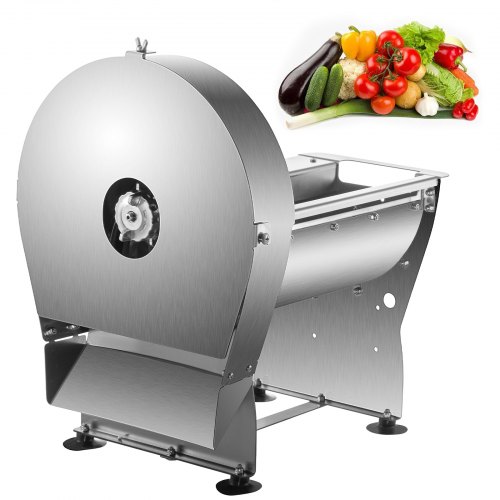
Credit: www.vevor.com
Drying And Reassembling The Slicer
Use a clean, dry cloth to wipe each part of the slicer carefully. Avoid using a towel that may leave lint behind. Air drying is best to stop water spots and rust from forming. Make sure all pieces are completely dry before putting them back together. Moisture can cause damage or mold growth.
Check every part for any leftover food or moisture. Assembly should be done on a clean surface to keep everything sanitary. Follow the slicer’s manual to put parts in the right order. Tighten screws gently; do not force them to avoid damage.
- Dry parts with a soft cloth
- Allow air drying for full moisture removal
- Inspect parts for cleanliness
- Reassemble on a clean surface
- Follow manual instructions for correct order
- Secure screws without overtightening
Maintenance Tips For Longevity
Keep a regular cleaning scheduleto ensure your stainless steel slicer lasts long. Clean the slicer after every useto remove food particles. Use a soft cloth and mild detergent to avoid scratches. Dry thoroughly to prevent water spots and rust.
Avoiding damageis key. Never use abrasive pads or steel wool. These can harm the surface and dull the blade. Always unplug the slicer before cleaning to stay safe. Handle the blade with care to avoid cuts and keep it sharp.

Credit: www.amazon.com
Safety Precautions During Cleaning
Sharp blades can cause serious cuts. Always handle with care. Avoid touching the blade edges directly. Use a cloth or brush to clean hard-to-reach spots. Keep your fingers away from the blade while cleaning.
Wear protective gear to stay safe. Use cut-resistant gloves for hand protection. Safety goggles help protect your eyes from splashes. An apron or protective clothing keeps your body safe from sharp edges and cleaning chemicals.
Frequently Asked Questions
How Do I Clean A Stainless Steel Slicer Safely?
Use warm soapy water and a soft cloth to clean the slicer. Avoid abrasive cleaners and steel wool to prevent scratches. Always unplug the slicer before cleaning. Dry it thoroughly to prevent rust and ensure safe use next time.
Can I Use Bleach To Clean A Stainless Steel Slicer?
No, avoid using bleach as it can damage the stainless steel surface. Instead, use mild detergent and warm water for safe cleaning. Bleach may cause discoloration and corrosion over time, reducing the slicer’s lifespan.
How Often Should I Clean My Stainless Steel Slicer?
Clean your slicer after every use to maintain hygiene and performance. Regular cleaning prevents food buildup and bacterial growth. Periodic deep cleaning is also recommended for thorough maintenance.
Is It Safe To Soak The Slicer Blade In Water?
No, avoid soaking the slicer blade to prevent water damage and rust. Instead, wipe the blade carefully with a damp cloth. Dry immediately after cleaning to maintain blade sharpness and safety.
Conclusion
Cleaning your stainless steel slicer safely keeps it sharp and lasts longer. Always use gentle tools and avoid harsh chemicals. Regular cleaning stops germs and food buildup. Take your time and follow safety steps carefully. This way, your slicer stays clean and works well every day.
Safe cleaning helps protect you and your kitchen. Keep your slicer in great shape with simple care routines. Easy and safe cleaning brings better results and peace of mind.