
You’ve just finished slicing your favorite ingredients, and now comes the part many people dread—cleaning the slicer. But did you know that cleaning your slicer safely is not only crucial for your health but also for keeping your slicer working perfectly every time?
If you want to avoid injuries, prevent food contamination, and extend the life of your slicer, you need to follow the right steps. You’ll discover simple, effective ways to clean your slicer safely after every use—so you can keep your kitchen running smoothly and stay worry-free.
Keep reading to learn how to protect yourself and your equipment with easy-to-follow tips.
Preparing For Cleaning
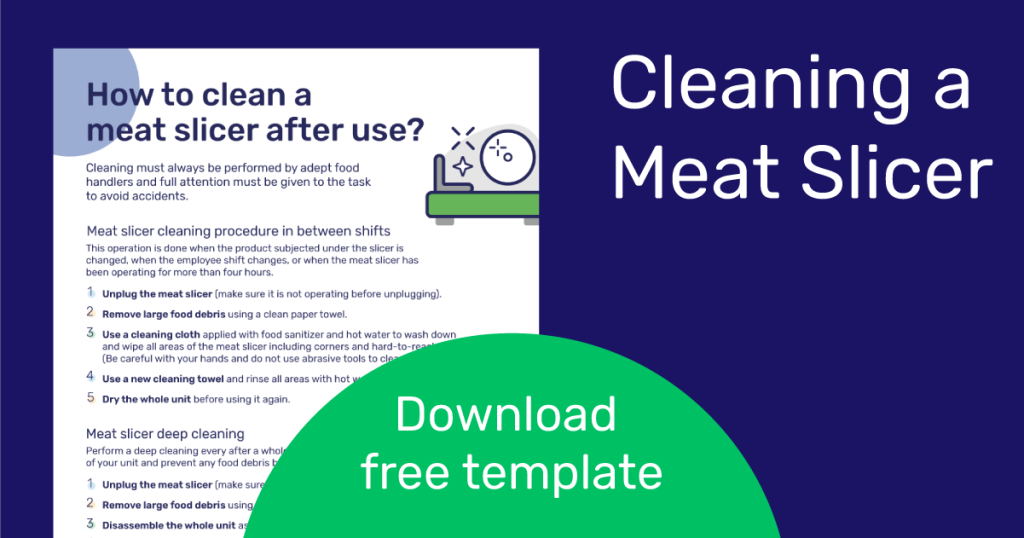
Unplug the slicer before cleaning to avoid accidents. Remove food scraps carefully and wear cut-resistant gloves for safety. Prepare a clean workspace with warm, soapy water and a soft cloth.
Gathering Cleaning Supplies
First, gather all the needed supplies. You’ll need soap, water, and a soft cloth. Scrub brushes can help with tough spots. Don’t forget gloves to protect your hands. Keep a towel handy for drying. Ensure everything is clean and ready. This makes cleaning easy and fast.
Unplugging And Disassembling The Slicer
Always unplug the slicer before cleaning. This keeps it safe. Next, carefully take apart the slicer. Remove all parts that can be washed. Blades can be sharp, so handle them with care. Place parts in a neat order. This helps when putting them back. Cleaning each piece separately is important for thoroughness.
Cleaning The Blades
Remove food bitsstuck on the slicer blade carefully. Use a soft brush or cloth to clear crumbs and particles. Avoid touching the sharp edges directly to prevent cuts.
Use warm water and mild soapto clean the blade. Harsh chemicals can damage the metal or leave harmful residues. Soak the blade briefly if food is hard to remove.
Rinse well with clean water to remove all soap. Dry the blade fully with a clean towel. Wet blades can rust and become dull quickly.
- Wear cut-resistant gloves for safety
- Never use abrasive pads that scratch the blade
- Check blade condition before next use
- Store blade in a dry place
Sanitizing Other Parts
Clean the carriage and guard carefully to remove food bits. Use a soft cloth or sponge with warm, soapy water. Avoid harsh scrubbing that could damage parts. Rinse with clean water and dry fully to stop rust.
Wipe down the base and exterior with a damp cloth. Focus on buttons and knobs where dirt hides. Use a mild cleaner safe for metal and plastic. Dry all surfaces well to keep the slicer looking good and working right.

Credit: www.supermarketperimeter.com
Drying And Reassembling
After washing, ensure all parts are completely dry before reassembly. Use a clean cloth or air dry on a clean surface. Moisture can cause rust or damage.
Place small parts like screws and knobs on a towel to prevent loss. Check every piece for moisture before putting them back.
- Dry blade carefully; it can be sharp.
- Use a soft cloth to avoid scratches.
- Dry motor housing with a dry cloth only.
Follow the slicer’s manual to reassemble parts correctly. Tighten screws just enough; avoid overtightening. Ensure all safety guards are in place before use.
Maintaining Hygiene Between Uses
Regular inspection is key to keep the slicer safe and clean. Check blades for dullness or damage. Look for food crumbs in hard-to-see areas. Clean parts thoroughly after each use to prevent bacteria growth. Replace any broken parts quickly. Lubricate moving parts with food-safe oil to keep the slicer working well.
Proper storage protects the slicer from dust and damage. Store the slicer in a dry place. Cover it to avoid dirt and germs. Make sure it is unplugged and blades are locked. Keep it away from children and pets. A clean, safe slicer lasts longer and works better.

Credit: chefsupplyco.com.au

Credit: www.vevor.ca
Frequently Asked Questions
How Do You Safely Clean A Slicer After Use?
First, unplug the slicer and remove all detachable parts. Use warm, soapy water and a soft brush to clean blades carefully. Dry parts completely before reassembling. Always handle blades cautiously to avoid injury.
What Cleaning Tools Are Best For Slicer Blades?
Use a soft brush or sponge with warm, soapy water. Avoid abrasive materials that can dull blades. A toothbrush works well for hard-to-reach areas. Always clean blades gently and thoroughly.
Can I Use Bleach To Clean My Slicer?
Avoid bleach, as it can damage slicer parts and leave harmful residues. Instead, use mild dish soap and warm water for safe cleaning. Rinse thoroughly to ensure no soap remains on the slicer.
How Often Should I Clean My Slicer Blades?
Clean slicer blades immediately after each use. Regular cleaning prevents food buildup and bacterial growth. This practice maintains slicer performance and ensures food safety every time.
Conclusion
Cleaning your slicer safely keeps it sharp and working well. Always unplug the machine before starting to clean. Use a soft cloth and mild detergent for best results. Take care around the blades to avoid cuts. Regular cleaning stops germs and food buildup.
A clean slicer helps you prepare food safely every time. Keep these simple steps in mind to protect yourself and your equipment. Safe cleaning is quick and important. Your slicer will last longer and stay hygienic. Easy habits make a big difference.