

Your slicer blade works hard to keep your food prep smooth and efficient. But if you don’t clean it properly, it can quickly become dull or even unsafe to use.
Knowing how to clean your slicer blade with a brush is a simple step that can save you time, protect your health, and extend the life of your equipment. In this guide, you’ll discover easy, effective techniques that anyone can follow.
Keep reading to learn how to make your slicer blade spotless and ready for your next meal.

Credit: www.vevor.com
Tools Needed
Choosing a brush with soft but firm bristleshelps clean the slicer blade safely. Brushes made with nylon bristlesare good because they do not scratch the blade. The brush size should fit the blade lengthto reach all parts.
Other cleaning supplies include:
- Warm waterto loosen food particles.
- Mild dish soapto remove grease.
- Clean cloth or towelfor drying.
- Protective glovesto keep hands safe.
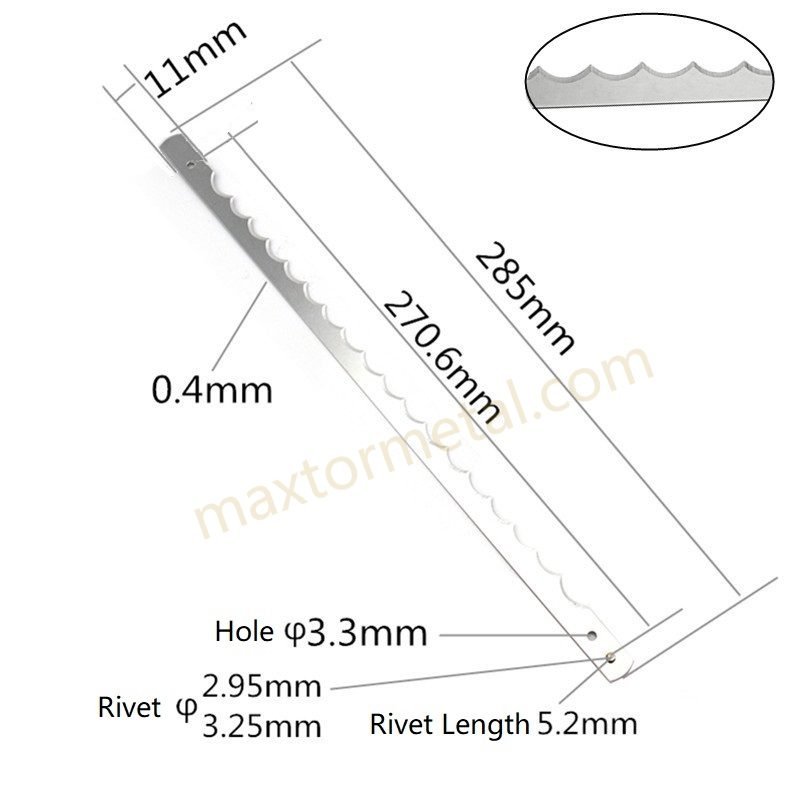
Credit: maxtormetal.com
Preparing The Slicer
Always unplug the slicer before cleaning. This keeps you safe. After unplugging, carefully remove the blade. Follow the slicer’s manual for help. Place each part on a clean towel. Keep small pieces together, so they don’t get lost.
Wear gloves to protect your hands from cuts. The blade is very sharp. Use a brush for cleaning, not your hands. Brushes reach tricky spots and keep you safe. Never rush the cleaning process. Take your time to do it right.
Cleaning Process
Use a soft brush to clean the slicer blade carefully. Move the brush along the blade edges to remove loose crumbs and dirt. Avoid pressing too hard to protect the blade’s sharpness.
For stubborn residue, soak the blade in warm soapy water first. Use a brush with firm bristles to scrub gently. Focus on sticky spots but be careful not to scratch the blade.
Rinse the blade under clean water to remove soap and loosened debris. Dry the blade fully with a soft towel to stop rust and keep it sharp.

Credit: maxtormetal.com
Rinsing And Drying
Use lukewarm water to rinse the slicer blade gently. Avoid hot water as it may damage the blade. Hold the blade under running water to wash off food bits.
Use a soft brush to clean hard-to-reach spots. Brush carefully to avoid cutting yourself. Rinse the brush often to remove trapped debris.
- Never soak the blade for too long to prevent rust.
- Do not use harsh chemicals or abrasive pads.
Dry the blade immediately after rinsing. Use a clean, soft towel to pat it dry. Ensure no water stays on the blade to avoid rust.
Leave the blade to air dry completely before storing. Store it in a dry place, away from moisture. This keeps the blade sharp and safe.
Maintaining Blade Sharpness
Keeping the slicer blade sharp needs a regular cleaning schedule. Dirt and food bits can make the blade dull fast. Clean the blade after each use with a brush. Use gentle strokes to avoid cutting yourself. Make sure to reach all corners where food might hide.
Using blade lubricantshelps keep the blade moving smoothly. Choose food-safe lubricants made for slicers. Apply a small amount to the blade edges and moving parts. This reduces friction and stops rust from forming. Clean the blade before applying lubricant for best results.
Troubleshooting Tips
Cleaning a slicer blade with a brush removes stuck food and prevents rust. Gently scrub the blade edges and crevices for best results. Rinse and dry the blade carefully to keep it sharp and safe.
Dealing With Rust Spots
Rust spotson slicer blades can reduce cutting quality. Use a soft brushwith a mild abrasive cleanerto gently scrub the rust. Avoid harsh tools that can damage the blade. After cleaning, dry the blade fully to prevent new rust.
Applying a thin layer of food-safe oilhelps protect the blade from moisture. Clean the brush regularly to keep it effective.
When To Replace The Blade
- Blade has deep nicks or chips.
- Cutting becomes uneven or difficult.
- Rust spots cannot be removed.
- Blade shows signs of bending or warping.
- Blade is dulleven after sharpening.
Replace the blade to maintain safe and effective slicing.
Frequently Asked Questions
How Often Should I Clean My Slicer Blade With A Brush?
Clean your slicer blade after every use to maintain hygiene and performance. Regular cleaning prevents food buildup and ensures safe slicing.
What Type Of Brush Is Best For Cleaning Slicer Blades?
Use a soft-bristle or nylon brush designed for kitchen tools. Avoid metal brushes to prevent blade damage and maintain sharpness.
Can I Use Water When Cleaning A Slicer Blade With A Brush?
Yes, use warm soapy water for effective cleaning. Make sure to dry the blade thoroughly to prevent rust and corrosion.
Is It Safe To Clean The Slicer Blade Without Removing It?
It’s safer to remove the blade before cleaning. This prevents accidents and allows thorough cleaning of all blade parts.
Conclusion
Cleaning your slicer blade with a brush keeps it sharp and safe. Regular cleaning stops food build-up and germs. Use gentle strokes to avoid damage. Always dry the blade well after cleaning. A clean blade helps your slicer work better and last longer.
Small efforts make a big difference in kitchen safety. Keep your tools clean, and cooking stays easy and healthy. Simple steps, better results.