
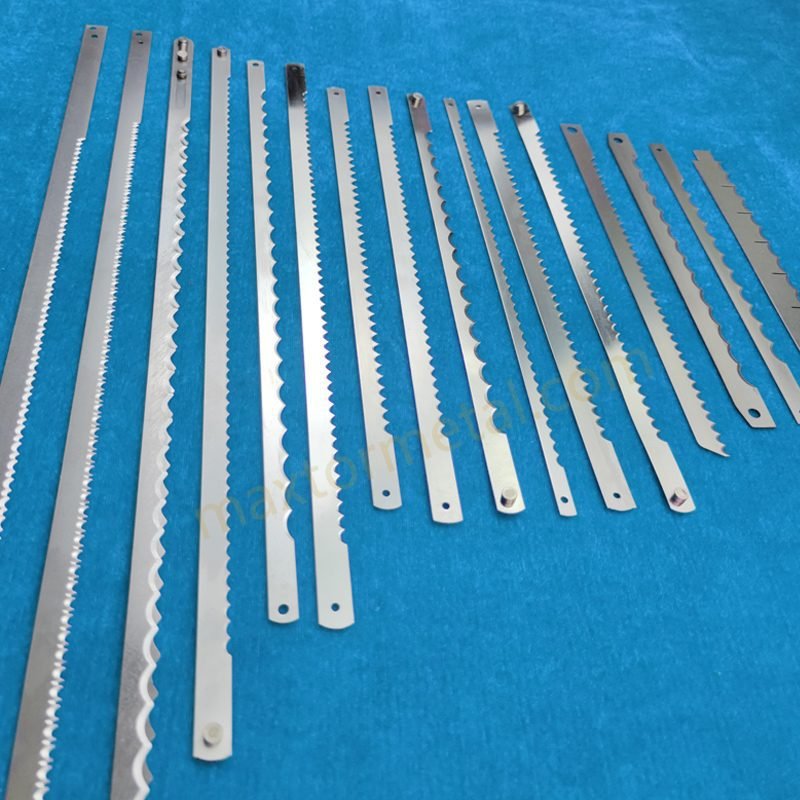
Your slicer blade works hard every day to help you prepare food quickly and efficiently. But if you don’t clean it properly after each use, it can become dull, rusty, or even unsafe.
You might think cleaning a slicer blade is complicated or time-consuming, but it doesn’t have to be. You’ll discover simple, step-by-step tips to keep your slicer blade sharp and hygienic. Follow these easy methods, and you’ll protect your investment, improve your food’s safety, and make your daily cleaning routine faster and easier.
Keep reading to learn how to clean your slicer blade like a pro.

Credit: www.reddit.com
Safety First
Always make sure to unplug the slicerbefore cleaning. This stops the blade from moving and keeps you safe. Never touch the blade while the slicer is plugged in.
Wear protective glovesto avoid cuts. Gloves give a strong grip and protect your hands from sharp edges. Use gloves made for kitchen safety.
- Check that the slicer is off and unplugged.
- Put on thick, cut-resistant gloves.
- Handle the blade carefully to avoid injury.

Credit: partsfe.com
Disassembling The Blade
Carefully remove the blade to avoid injury before cleaning. Use warm soapy water and a soft cloth to wipe away food residue. Dry the blade completely to prevent rust and ensure safe storage.
Removing The Blade Safely
Always unplug the slicer before starting. Hold the slicer blade carefully. Use a screwdriver to loosen the screws. Gently slide the blade out. Keep your fingers away from the blade’s edge. Place the blade on a flat surface. Ensure it’s stable and won’t move.Handling Blade Components
Handle all parts with care. Clean each component separately. Use a soft cloth for cleaning. Avoid using harsh chemicals. Wash with warm, soapy water. Rinse thoroughly to remove soap. Dry each part completely. Assemble the slicer only when all parts are dry. `Cleaning Techniques
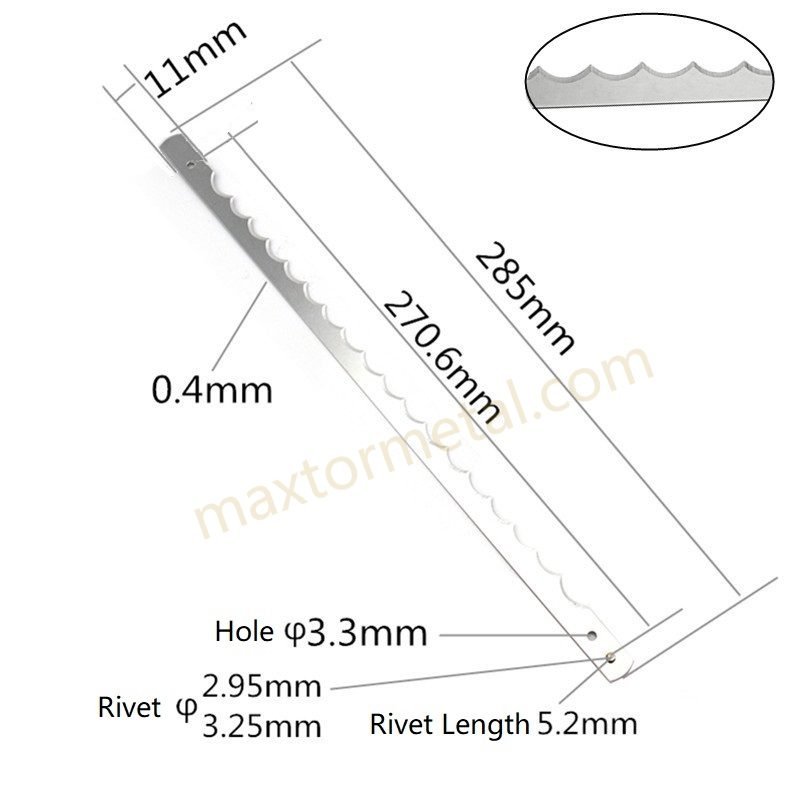
Use warm soapy waterto clean the slicer blade after use. This helps remove food particles and grease easily. Soak the blade for a few minutes to loosen dirt. Then, scrub gently with a soft brush or cloth.
For stubborn residue, use a soft brush or sponge. Avoid using metal scrubbers as they can damage the blade. Rubbing gently helps keep the blade sharp and clean.
Avoid harsh chemicalssuch as bleach or strong detergents. These can damage the metal and reduce the blade’s life. Use mild dish soap instead. Always rinse well with water to remove soap and dirt.
Credit: maxtormetal.com
Drying And Maintenance
After cleaning, the blade needs to be completely dry. Use a soft cloth or paper towel. Make sure no water stays on the blade, as it can cause rust. Air drying can work but takes longer. Wipe the blade gently to avoid cuts.
Applying blade oil helps keep the metal protected and smooth. Use a small amount of food-grade oil. Spread it evenly with a clean cloth. This stops rust and keeps the blade sharp for longer.
| Damage Type | What to Check | Action Needed |
|---|---|---|
| Rust spots | Look for small brown or red marks | Clean with a soft brush and apply oil |
| Dull edges | Blade feels less sharp or smooth | Sharpen or replace the blade |
| Cracks or chips | Visible breaks or missing parts | Stop using and replace immediately |
Reassembling The Slicer
Place the bladecarefully back on the slicer. Make sure it fits correctlyon the center hub. The blade should sit flatand not wobble.
Check the blade’s teeth direction. They must point in the right way for smooth slicing. Align the blade with the motor shafthole.
- Tighten screwsby hand first to hold the blade steady.
- Use a screwdriver to make screws firm and secure.
- Do not over-tighten to avoid damage.
- Check blade movement after tightening. It should spin freely without looseness.
Daily Cleaning Tips
Use a clean cloth or paper towel to wipe the slicer blade after each use. This removes fresh food particles and stops buildup. Be careful and always wipe away from the sharp edge to avoid cuts.
For best results, use warm water and mild soap on the cloth. Avoid harsh chemicals as they can damage the blade. Dry the blade completely before storing to prevent rust.
| Cleaning Task | Frequency | Tools Needed | Tips |
|---|---|---|---|
| Quick Wipe Downs | After every use | Cloth, warm water, mild soap | Wipe carefully away from blade edge |
| Scheduled Deep Cleans | Weekly or bi-weekly | Soft brush, warm soapy water, towel | Remove blade if possible and scrub gently |
Frequently Asked Questions
How Often Should I Clean My Slicer Blade Daily?
Clean your slicer blade after each use to prevent food buildup. Daily cleaning maintains hygiene and blade sharpness. Regular cleaning reduces contamination risks and prolongs the slicer’s lifespan. Always follow safety guidelines while cleaning to avoid injuries.
What Is The Safest Way To Clean A Slicer Blade?
Always unplug the slicer before cleaning for safety. Use a soft cloth or sponge with warm, soapy water. Avoid abrasive materials that can damage the blade. Dry the blade thoroughly to prevent rust and ensure optimal performance.
Can I Use Dishwasher To Clean Slicer Blades?
No, do not clean slicer blades in the dishwasher. Dishwashers can dull the blade and cause rusting. Hand washing ensures better control and protects the blade’s sharpness. Always dry the blade immediately after washing to avoid corrosion.
What Cleaning Products Are Best For Slicer Blades?
Use mild dish soap and warm water for cleaning slicer blades. Avoid harsh chemicals or bleach, which can damage the blade. Food-safe sanitizers can be used after washing for extra cleanliness. Always rinse thoroughly to remove any residue.
Conclusion
Cleaning your slicer blade daily keeps it sharp and safe. Use warm water and mild soap to remove food bits. Dry the blade well to stop rust from forming. Regular cleaning helps your slicer work better and last longer. A clean blade means better slices and safer use.
Simple steps make a big difference every day. Keep your slicer blade clean for best results. It’s easy, quick, and worth the effort.