

Are you tired of scrubbing your pots for hours, only to see stubborn stains that just won’t budge? What if you could clean your pots without reaching for harsh chemicals that might harm your health or the environment?
Imagine having sparkling pots using simple ingredients you already have at home. You’ll discover easy, effective ways to get your cookware shining again—without any toxic cleaners. Keep reading, and you’ll learn how to make your kitchen cleanup safer, cheaper, and surprisingly simple.
Credit: circulon.uk.com
Natural Ingredients For Cleaning
Baking sodais a gentle scrubber for pots. Sprinkle some on the pot surface and add water to make a paste. Use a soft cloth or sponge to rub away stains. This removes grease and burnt bits easily.
Vinegarcuts through tough stains and grease. Pour vinegar into the pot, let it sit for a few minutes, then scrub gently. It also helps to make pots shiny and clean without harsh chemicals.
Lemonjuice works as a natural cleaner and deodorizer. Rub lemon slices on the pot surface or squeeze juice onto stains. The acid breaks down grime and leaves a fresh scent.
Saltacts as a mild abrasive. Mix salt with lemon juice or water to scrub pots without scratching. This combo helps remove stuck-on food and brightens the metal.
Tools For Effective Cleaning
Non-abrasive scrubbers clean pots gently without scratching. They remove dirt and food bits effectively. These scrubbers help keep pots safe from damage.
Microfiber cloths are soft and absorbent. They wipe away grease and stains easily. Using them keeps pots shiny without harsh rubbing.
Old toothbrushes reach small corners and edges. Their bristles clean tough spots that cloths miss. Perfect for detailed cleaning without chemicals.
Step-by-step Cleaning Methods
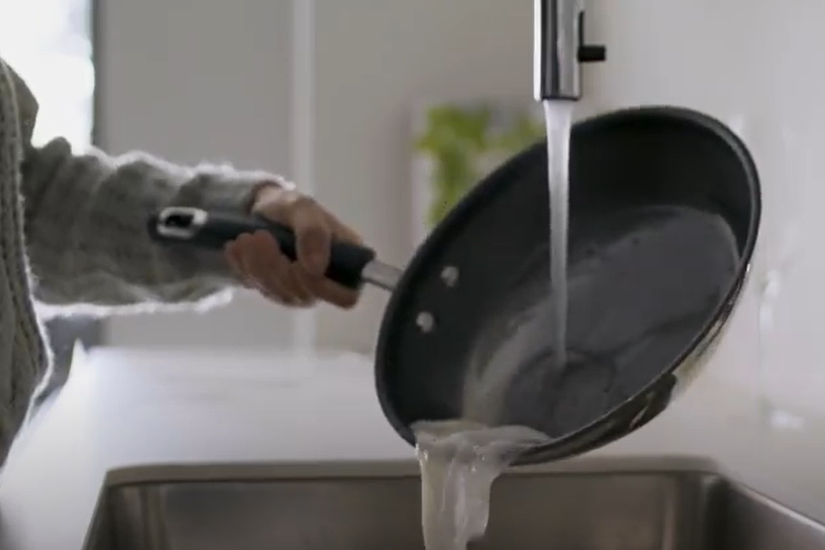
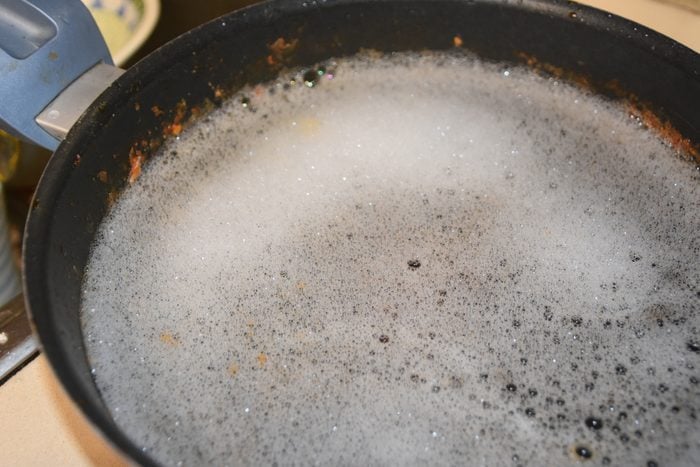
Soaking pots in warm water softens stuck food and grease. Use plain water or mix a little baking soda for extra cleaning power. Let the pots soak for 15 to 30 minutes. This helps to loosen dirt without scrubbing hard.
Use a dry scrubber or a soft brush to remove food bits. Avoid metal scrubbers that can scratch pots. Gently scrub the pot’s surface to lift grime without damage. Focus on stained or greasy areas.
- Rinse pots thoroughly with warm water to remove all loosened dirt.
- Check for any leftover stains or residue.
- Dry pots immediately with a clean towel to avoid water spots.
- Store pots in a dry place to keep them clean and ready to use.
Maintaining Pots Post-cleaning
Cleaning pots regularly keeps them looking good and working well. Wipe pots dry after each use to stop water spots. Use soft cloths or sponges to avoid scratches. Avoid stacking pots without protection to prevent dents and marks.
Store pots in a dry, cool place to stop rust and stains. Use paper towels or cloth between pots to keep them from scratching. Keep lids separate or place a cloth between lid and pot. Check pots often for any stains or damage.
| Storage Tips | Benefits |
|---|---|
| Dry pots fully before storing | Prevents rust and water spots |
| Use soft cloth between stacked pots | Avoids scratches and dents |
| Store in a cool, dry place | Stops mold and stains |
| Separate lids with cloth | Protects lids and pots |
Advantages Of Chemical-free Cleaning
Cleaning pots without chemicals offers many health benefits. It avoids harmful residues that can irritate skin or cause allergies. Using natural methods keeps your home safe for children and pets. It also helps prevent breathing in toxic fumes.
The environmental impactis much lower with chemical-free cleaning. Natural ingredients break down easily and do not pollute water or soil. This choice helps protect wildlife and reduces harmful waste.
Natural cleaning is also cost-effective. Common household items like vinegar, baking soda, and lemon cost less than special cleaners. These ingredients last longer and can be used for many cleaning tasks, saving money over time.
Credit: www.rd.com
Common Mistakes To Avoid
Avoid using abrasive materials like steel wool or rough scrubbers. These can scratch the pot’s surface. Scratches make cleaning harder later.
Stubborn stains need gentle care. Rubbing too hard or ignoring them can cause permanent marks. Soak the pot in warm water first. Use a soft brush or cloth to remove stains.
Regular care prevents tough buildup. Clean pots soon after use. Letting food dry makes cleaning difficult. Wipe pots dry to stop rust and spots.
Credit: timesofindia.indiatimes.com
Frequently Asked Questions
How Can I Clean Pots Without Using Chemicals?
You can clean pots with natural ingredients like baking soda, vinegar, and lemon. These are effective and safe alternatives to harsh chemicals.
What Household Items Remove Burnt Residue From Pots?
Baking soda, vinegar, and salt work well. They help loosen burnt food and grime without damaging the pot’s surface.
Is Vinegar Effective For Cleaning Pots Naturally?
Yes, vinegar dissolves mineral deposits and grease. It’s a natural disinfectant and deodorizer, making pots clean and fresh without chemicals.
Can Lemon Juice Help Clean And Shine Pots?
Lemon juice’s acidity breaks down stains and adds shine. It also leaves a pleasant scent and is safe for most pot materials.
Conclusion
Cleaning pots without chemicals is easy and safe. Natural ingredients like baking soda and vinegar work well. They remove stains and grease without harming health or the environment. Simple tools like a sponge or brush help scrub away dirt. Regular cleaning keeps pots shiny and lasting longer.
Try these methods to keep your kitchen green and fresh. No need for harsh chemicals or expensive products. Just use what you have at home for clean, healthy pots every day.