
If you wear a mouth guard to protect your teeth from grinding, keeping it clean is a must. Dirty mouth guards can cause bad breath, infections, and even damage your guard.
But how exactly do you clean it the right way? You’ll discover simple, effective steps to make sure your mouth guard stays fresh and safe. By following these tips, you’ll protect your smile and feel more comfortable every time you wear it.
Keep reading—you’ll be glad you did!

Credit: www.amazon.com
Daily Cleaning Steps
Rinse your mouth guardwith cool water right after use. This helps remove saliva and debris. Avoid letting dirt stay on it for long.
Use a mild soap or toothpasteto clean the guard gently. Harsh cleaners can damage the material. Brush softly with a soft toothbrush to avoid scratches.
Never use hot waterto clean the guard. Hot water can warp its shape and reduce protection. Stick to cool or lukewarm water for cleaning and rinsing.
Deep Cleaning Methods
Soaking your mouth guard in a denture cleanerhelps remove dirt and germs. Use a small bowl with warm water and denture tablets. Let the guard soak for about 15 minutes. Rinse it well with clean water before use.
A baking soda solutionis a natural way to clean your mouth guard. Mix one tablespoon of baking soda with a cup of water. Soak the guard for 30 minutes. This helps kill bacteria and remove odors. Rinse thoroughly afterward.
Rinsing with hydrogen peroxidecan disinfect the mouth guard. Use a 3% hydrogen peroxide solution. Soak the guard for 10 minutes only. Do not swallow the solution. Rinse well with water to remove all traces.
Preventing Odors And Bacteria
Store your mouth guard in a ventilated caseto help it dry. This prevents bacteria and odorsfrom growing. Avoid sealing it in a tight container while wet. Let air flow inside the case to keep it fresh. Clean the case often to stop germs.
Regularly replacing your mouth guard is important. Over time, it can wear out and hold more bacteria. Check your mouth guard for cracks or changes in shape. Replace it every few months or as your dentist advises. This keeps your mouth healthy and your guard working well.

Credit: sweetguards.com
Common Mistakes To Avoid
Harsh chemicals can damage your mouth guard’s material. Avoid bleach or strong cleaners. These can make the guard weak and unsafe. Use mild soap or special cleaner instead. They keep the guard clean without harm.
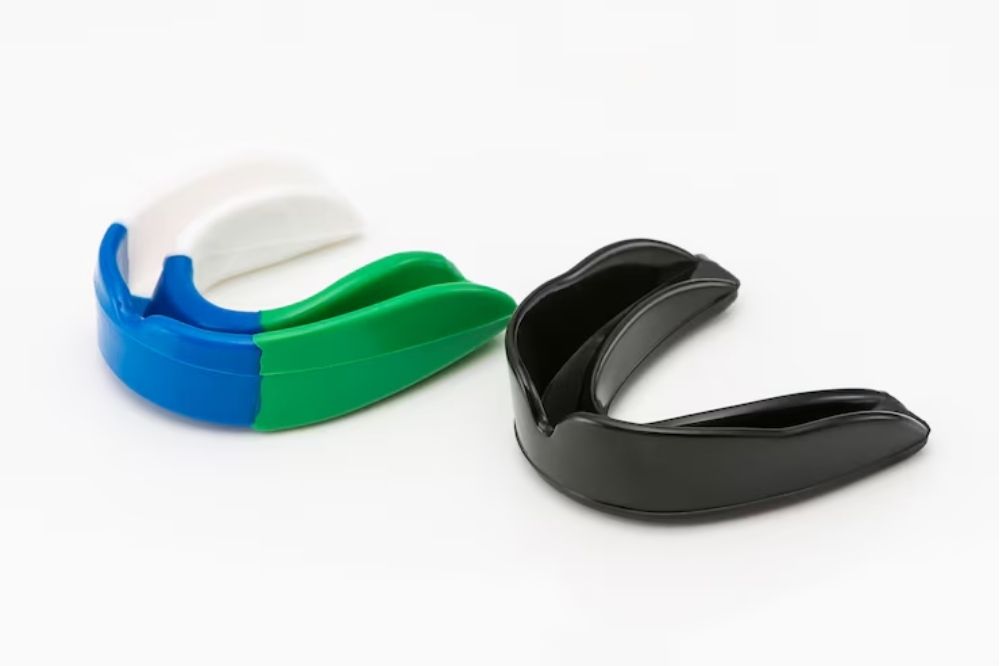
Skipping regular cleaning lets bacteria build up. This can cause bad smells and mouth infections. Clean your mouth guard every day after use. Rinse it with water and use gentle soap or cleaner. Dry it completely before storing to stop mold.
Credit: www.choiceonedentallawrenceville.com
Frequently Asked Questions
How Often Should I Clean My Mouth Guard For Grinding?
Clean your mouth guard daily to prevent bacteria buildup. Use mild soap and a soft toothbrush. Rinse thoroughly with cool water before storing it in a ventilated case.
What Is The Best Method To Clean A Teeth Grinding Guard?
The best method is gentle hand washing with mild soap and a soft brush. Avoid hot water as it can warp the guard. Rinse well and air dry completely before use.
Can I Use Toothpaste To Clean My Mouth Guard?
It’s best to avoid toothpaste as it can be abrasive and damage the guard. Use mild soap or specialized mouth guard cleaners instead for effective and safe cleaning.
How Do I Remove Bad Odor From My Grinding Mouth Guard?
Soak the mouth guard in a mixture of water and vinegar or baking soda for 15 minutes. Rinse thoroughly afterward. This helps eliminate bacteria and neutralizes bad odors effectively.
Conclusion
Cleaning your mouth guard keeps it fresh and safe to use. Use gentle soap and a soft brush for best results. Rinse it well after every cleaning to remove all soap. Avoid hot water to stop damage or warping. Store your mouth guard in a dry, clean case.
Regular cleaning helps prevent bacteria and bad smells. Taking care of your guard protects your teeth too. Keep your routine simple and consistent for the best hygiene. Your mouth guard will last longer and work better this way. Small daily steps make a big difference for your health.