
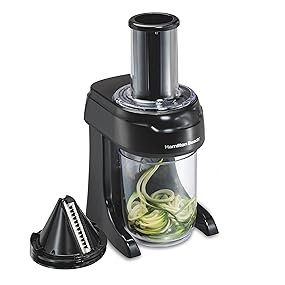
If you own a Hamilton Beach slicer, you know how handy it is for quickly slicing fruits, veggies, and more. But keeping it clean can feel like a hassle.
You might worry about sharp blades, hard-to-reach spots, or damaging your slicer. What if cleaning your Hamilton Beach slicer was simple, safe, and fast? In this guide, you’ll discover easy steps to get your slicer spotless without stress. Stick with me, and you’ll never dread cleaning your slicer again.
Preparing The Slicer For Cleaning
Always unplug the slicerbefore starting. This ensures safety and stops accidents.
Next, carefully disassemble the parts. Remove the food tray and other removable sections.
Handle the blades with great care. They are very sharp and can cause injury.
- Use a cloth or gloves to hold the blades.
- Lift the blade straight up to avoid cuts.
- Place blades on a safe, flat surface.
Keep all parts organized for easy cleaning and reassembly.

Credit: www.ebay.com
Cleaning The Blades
Remove the blades carefully and rinse them under warm water to clear food particles. Use a soft brush to scrub gently, then dry completely before reassembling.
Using Warm Soapy Water
Fill a basin with warm water and mild dish soap. Soak the blades for a few minutes. Use a soft cloth or sponge to wipe away loose dirt and food bits. Be careful not to cut yourself on the sharp edges.
Scrubbing Tough Residue
Use a soft brush or old toothbrush for stuck-on food. Gently scrub the blades, focusing on the edges and corners. Avoid using steel wool or harsh scrubbers that can dull the blades.
Drying Blades Properly
Rinse blades under clean water to remove soap. Dry them thoroughly with a clean towel. Let the blades air dry fully before storing to avoid rust or damage.
Cleaning The Body And Other Parts
Cleaning the Hamilton Beach slicer keeps it working well and safe. Remove all parts and wash them with warm, soapy water. Dry each piece carefully before reassembling to prevent rust and damage.
Wiping The Exterior
Use a damp cloth for the slicer’s exterior. Gently wipe all surfaces. Avoid soaking the cloth. This helps prevent damage. Pay attention to corners and edges. Dust and dirt gather here. Ensure the slicer is unplugged. Safety is important.Cleaning The Food Tray
Remove the food tray carefully. Wash it with warm soapy water. Rinse thoroughly to remove soap. Let it air dry completely. Use a towel for faster drying. Check for any remaining food bits. Clean them with a brush if needed.Handling The Motor Housing
Keep the motor housing dry. Never submerge it in water. Wipe with a damp cloth instead. Use gentle strokes on the surface. Make sure it’s unplugged. Never use harsh chemicals. They can damage the motor. Store it in a safe place. `
Credit: www.reddit.com
Tips For Maintaining Your Slicer
Set a regular cleaning scheduleto keep your slicer in top shape. Clean the blades and trays after every useto avoid food buildup. Use warm, soapy water and a soft cloth to wipe all parts. Dry everything completely before reassembling.
Lubricate the moving partswith food-safe oil to keep the slicer running smoothly. Apply a small amount to the blade’s pivot points. This helps prevent rust and reduces noise during use.
Store the slicer in a dry, safe placeaway from moisture. Cover it with a cloth or plastic cover to protect from dust. Keep the blade locked or stored separately to avoid accidents.
Troubleshooting Common Issues
Stuck food particles can block the slicer blades. Unplug the slicer before cleaning. Use a soft brush or toothpick to remove debris carefully. Avoid sharp tools that might damage the blades or plastic parts. Wipe the area with a damp cloth to remove small bits.
Blade alignment is key for smooth slicing. Check the blade for any wobble or unevenness. Adjust the blade guard or screws if the slices are uneven. Make sure the blade spins freely without resistance. Always handle blades with care to avoid injury.
| Part | Signs to Replace | Replacement Tips |
|---|---|---|
| Blade | Dull edges or rust spots | Buy original parts; follow user manual |
| Blade Guard | Cracks or loose fitting | Replace immediately for safety |
| Motor | Unusual noise or no power | Consult professional repair service |
Credit: www.culinarydepotinc.com
Frequently Asked Questions
How Do I Safely Clean A Hamilton Beach Slicer?
Unplug the slicer before cleaning. Remove detachable parts and wash with warm, soapy water. Wipe the base with a damp cloth. Avoid immersing electrical components. Dry all parts thoroughly before reassembling to prevent damage and ensure safe use.
Can I Put Hamilton Beach Slicer Parts In The Dishwasher?
Yes, most detachable parts are dishwasher safe. Place them on the top rack to avoid warping. Always check your model’s manual to confirm dishwasher compatibility. Hand wash non-detachable parts to protect the slicer’s motor and electrical components.
How Often Should I Clean My Hamilton Beach Slicer?
Clean the slicer after every use. This prevents food residue buildup and maintains performance. Regular cleaning also reduces the risk of bacteria growth. Proper maintenance extends the slicer’s lifespan and ensures safe, hygienic slicing every time.
What Is The Best Way To Clean The Slicer Blade?
Remove the blade carefully to avoid injury. Use a soft brush or cloth with warm, soapy water. Rinse and dry completely before reattaching. Never use abrasive materials that could dull or damage the blade surface.
Conclusion
Cleaning your Hamilton Beach slicer keeps it working well and safe. Always unplug before cleaning to avoid accidents. Use warm water and mild soap for best results. Dry all parts thoroughly to stop rust and damage. Regular cleaning saves time and extends the slicer’s life.
A clean slicer makes slicing easier and more efficient. Keep these simple steps in mind for hassle-free maintenance. Your slicer will stay fresh and ready for your next meal. Easy care brings better food and happier cooking moments.