
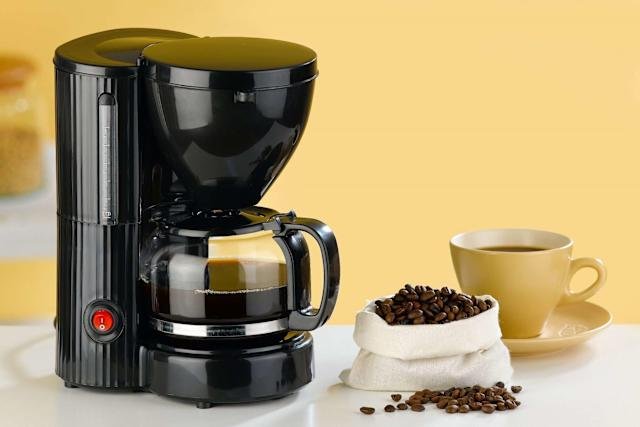
If you love fresh coffee every morning, keeping your drip coffee maker clean is a must. But have you ever stopped to think about the carafe lid?
It’s easy to overlook, yet it traps oils and residue that affect the taste of your brew. You might not realize how much a dirty lid can impact your coffee experience. In this guide, you’ll discover simple, effective steps to clean your drip coffee maker carafe lid.
By the end, your coffee will taste fresher, and your machine will work better—making every cup a pleasure. Keep reading to unlock the secret to a cleaner, tastier brew.
Tools And Materials Needed
A soft sponge, mild dish soap, and warm water help clean the drip coffee maker carafe lid effectively. A small brush or toothbrush can reach tight spots for thorough cleaning. Having a clean cloth nearby helps dry and polish the lid after washing.
- Mild dish soap– gentle cleaner for soap residue.
- Warm water– helps dissolve dirt and grime.
- Soft sponge or cloth– avoids scratches on the lid.
- Old toothbrush– cleans hard-to-reach spots and crevices.
- White vinegar– removes mineral buildup and stains.
- Baking soda– acts as a mild abrasive for tough stains.
- Clean towel– for drying the lid after washing.
Pre-cleaning Preparation
Unplug the coffee maker to ensure safety before cleaning. Remove the carafe and lid carefully. Check the lid for any coffee grounds or residue. Fill the sink or a basin with warm water and a few drops of mild dish soap. Soak the lid in this solution for 10-15 minutes. This helps loosen stuck coffee stains and oils. Use a soft sponge or cloth to wipe the lid gently. Avoid abrasive scrubbers that may scratch the surface. Rinse the lid under clean water to remove soap. Dry the lid with a clean towel or let it air dry completely. Make sure the lid is fully dry before placing it back on the carafe.
Removing The Carafe Lid
Start by holding the carafe firmly. Grip the lid gently but with enough force to lift it.
Most lids twist or snap off. Try turning the lid counterclockwise to unlock it.
If the lid feels stuck, avoid using sharp tools. Use a cloth for better grip instead.
Check for buttons or clips that may release the lid. Press or slide these carefully.
Keep the lid close to the carafe to avoid dropping it.
- Do not force the lid to prevent breaking.
- Clean the lid separately for better hygiene.
- Dry the lid well before reattaching it.
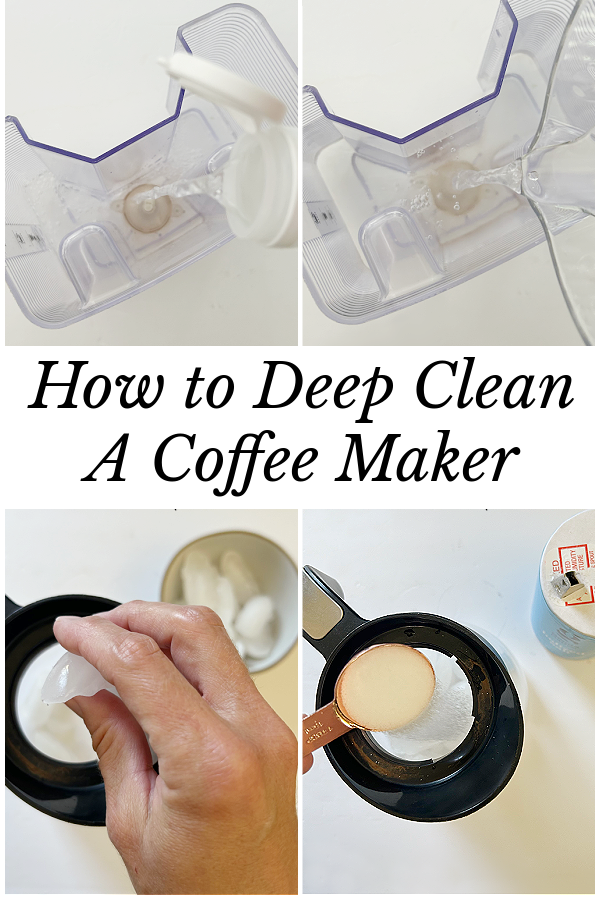
Credit: www.lemonslavenderandlaundry.com
Cleaning With Soap And Water
Cleaning the carafe lid with soap and water removes coffee stains and buildup easily. Use a soft cloth or sponge to scrub gently, then rinse well to avoid soap residue. Dry the lid thoroughly before reassembling for a fresh, clean coffee maker.
Choosing The Right Soap
Use a mild dish soap for cleaning. Avoid strong chemical cleaners. These can harm the carafe lid. Make sure the soap is safe for kitchen items. Look for labels saying “food safe.”Scrubbing Techniques
Wet a soft sponge with water. Add a few drops of soap. Gently scrub the carafe lid. Focus on corners and edges. Rinse with clean water. Make sure no soap is left. Dry with a clean towel. Ensure the lid is completely dry before use. `Using Vinegar For Deep Cleaning
Mix equal parts of white vinegar and water in a bowl. This creates a gentle, natural cleaning solution. Use about one cup of each for a deep clean.
Place the carafe lid in the vinegar solution. Let it soak for 15 to 30 minutes to loosen dirt and stains. Vinegar helps remove sticky coffee oils and grime.
After soaking, rinse the lid thoroughly under warm water. Use a soft brush or cloth to scrub away any leftover residue. Make sure no vinegar smell remains.

Credit: www.amazon.com
Cleaning Hard-to-reach Areas
Cleaning the drip coffee maker carafe lid can be tricky due to small crevices. Use a soft brush or cloth to reach tight spots and remove buildup gently. Warm, soapy water helps dissolve stubborn residue for a thorough clean.
Using Brushes And Toothpicks
Small brushes help clean narrow spaces inside the carafe lid. Toothpicks reach tiny holes and corners. Use soft brushes to avoid scratching the plastic. Dip brushes in warm soapy water for better cleaning.
Avoiding Damage
Be gentle while cleaning to keep the lid safe. Avoid sharp objects that can crack or scratch. Rinse well after cleaning to remove soap. Dry the lid completely before using again.
Drying And Reassembling
After washing the carafe lid, it needs to dry completely. Use a clean towel or let it air dry on a rack. Make sure no water is left in small crevices. Moisture can cause mold or affect coffee taste.
Once dry, align the lid correctly on the carafe. Press gently until it fits snugly. Check if the lid moves or leaks. A tight fit keeps the coffee hot and fresh.
- Dry the lid with a clean cloth or air dry
- Ensure no moisture remains in small parts
- Place the lid on the carafe carefully
- Press the lid until it fits securely
- Test for any leaks or loose fitting
Maintenance Tips For Lasting Cleanliness
Regularly remove the carafe lid and wash it with warm, soapy water to prevent buildup. Use a soft brush to clean small crevices and rinse thoroughly before drying. Keeping the lid clean ensures fresh coffee taste and extends your coffee maker’s life.
Regular Cleaning Routine
Keep the coffee maker clean for tasty coffee. Always wash the carafe lid with warm, soapy water. Rinse thoroughly to remove all soap. Dry with a soft towel to prevent water spots. Clean the carafe lid after every use to avoid coffee stains.
Deep Cleaning Every Month
Use vinegar to deep clean the carafe lid. Mix equal parts vinegar and water. Soak the lid for 15 minutes. Scrub gently with a soft brush. Rinse well with water to remove vinegar smell. Dry completely before using again.
Avoid Harsh Chemicals
Harsh chemicals can damage your coffee maker. Always use mild soap for cleaning. Avoid bleach or strong detergents. These can harm the carafe lid and affect coffee taste. Stick to safe cleaning methods for long-lasting cleanliness.

Credit: www.goodhousekeeping.com
Frequently Asked Questions
How Do I Remove Coffee Stains From The Carafe Lid?
Use warm soapy water and a soft brush to scrub the lid gently. For tough stains, soak the lid in a vinegar-water solution for 15 minutes, then rinse thoroughly.
Can I Clean The Carafe Lid In The Dishwasher?
Most drip coffee maker carafe lids are dishwasher safe. Check your manufacturer’s instructions to confirm. Place the lid on the top rack to avoid heat damage.
How Often Should I Clean The Drip Coffee Maker Lid?
Clean the carafe lid after every use to prevent coffee residue buildup. Regular cleaning maintains taste quality and extends the lid’s lifespan.
What Household Items Can Clean Coffee Maker Lids Effectively?
White vinegar, baking soda, and mild dish soap are effective. Use these safe and natural cleaners to remove stains and odors without harsh chemicals.
Conclusion
Cleaning your drip coffee maker carafe lid keeps your coffee fresh and tasty. Regular cleaning stops build-up and keeps your machine working well. Use simple tools like warm water, soap, and a soft brush. Small steps make a big difference.
Take a few minutes after each use. Your coffee will taste better, and your machine will last longer. Clean lids mean a happier coffee time. Keep it simple, clean often, and enjoy every cup.