
Do you ever wonder if your cookware is as clean as it could be? Maybe you’ve noticed lingering stains or food residues that just won’t budge, no matter how hard you scrub.
You’re not alone. Many people unknowingly shorten the lifespan of their pots and pans with improper cleaning techniques. But imagine the satisfaction of cooking with gleaming, spotless cookware that looks as good as new and enhances your culinary creations. In this guide, you’ll discover simple yet effective methods to transform your cookware cleaning routine.
Say goodbye to stubborn stains and hello to a pristine kitchen with these easy tips that you won’t want to miss.
Types Of Cookware
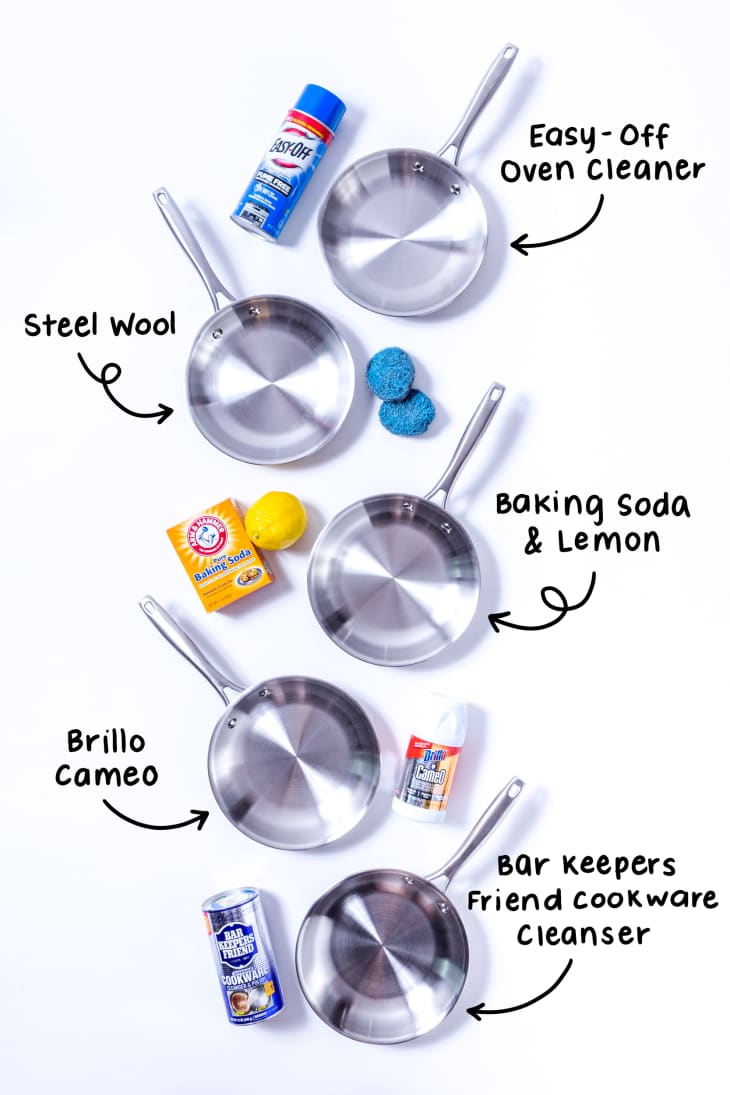
Stainless steel pans are shiny and strong. They resist rust and scratches. Clean them with warm water and soap. For tough spots, use a mix of baking soda and water. Scrub gently with a soft cloth. Dry them well to keep them shiny.
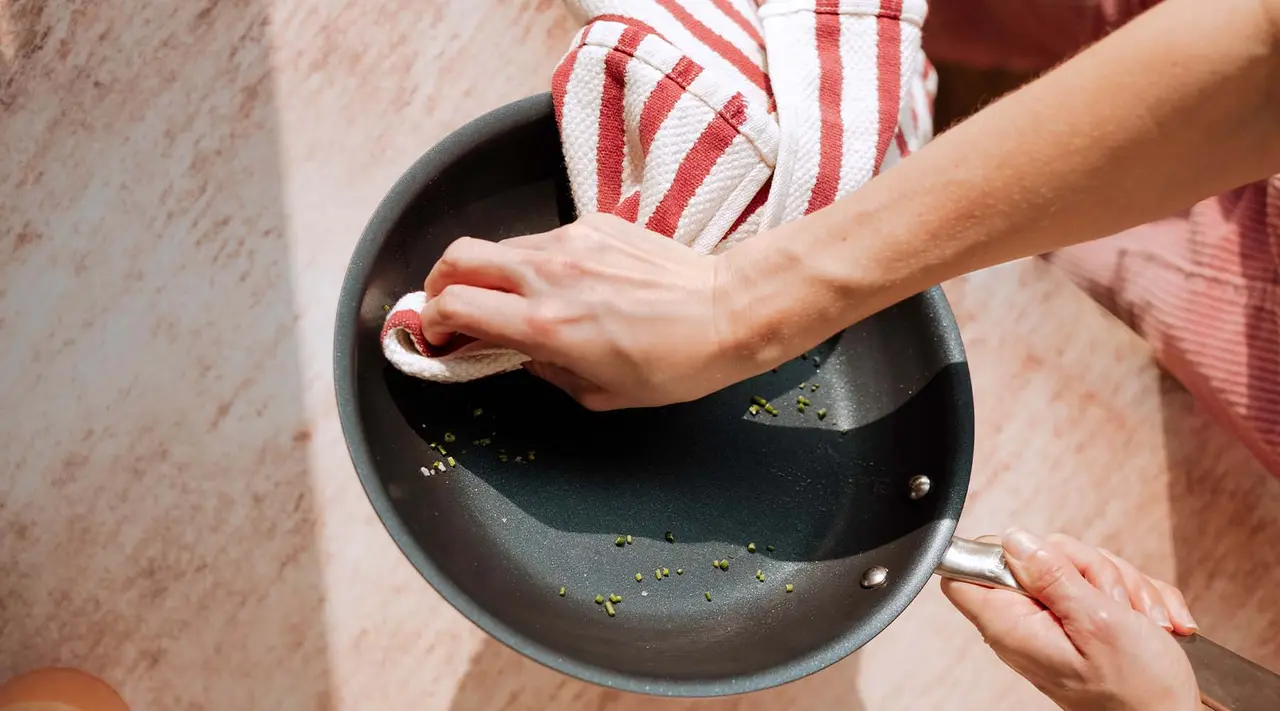
Nonstick pans are easy to use. Food slides off easily. Clean them with a soft sponge and warm, soapy water. Avoid metal scrubbers. They can damage the surface. Let the pan cool before washing. This helps keep the coating safe.
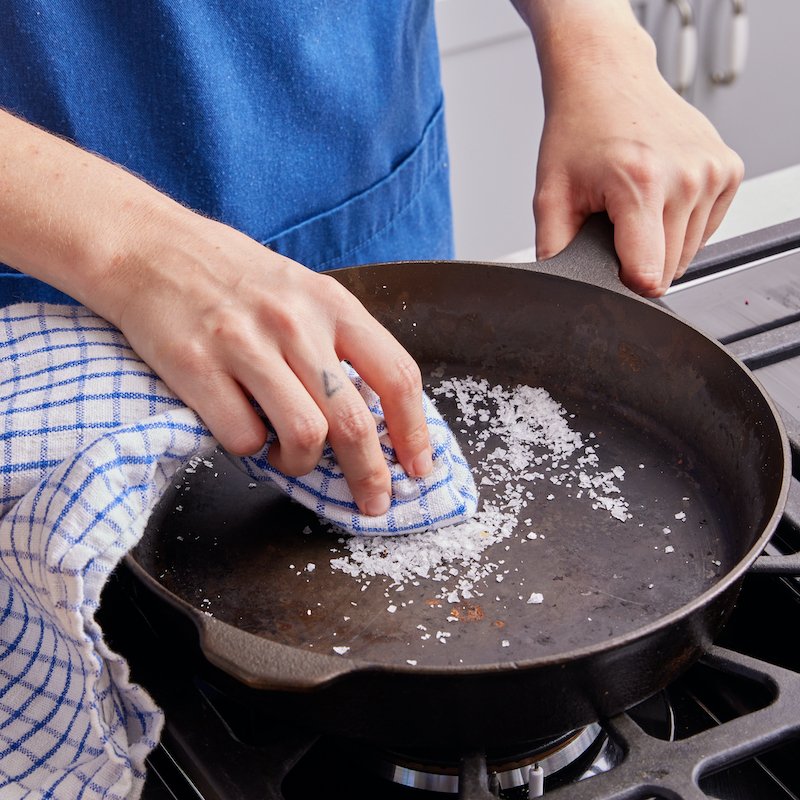
Cast iron pans are heavy. They cook food evenly. Wash them with warm water. Use a brush for stuck food. Dry completely to prevent rust. Apply a thin layer of oil. This keeps the pan seasoned.
Copper pans are beautiful and conduct heat well. They need special care. Use lemon juice and salt to clean. Rub gently to remove tarnish. Rinse with water. Dry with a soft cloth to avoid spots.
Ceramic pans are colorful and nonstick. Use mild soap and water for cleaning. Do not use abrasive pads. They can scratch the surface. Dry the pan fully before storing. This helps keep its color bright.
Essential Cleaning Tools
Sponges are soft and soak up water well. They clean cookware gently. Scrubbers are tough. Use them for stuck-on food. Be careful not to scratch surfaces. Some scrubbers have gentle sides too. Choose the right tool for each job. This keeps cookware safe.
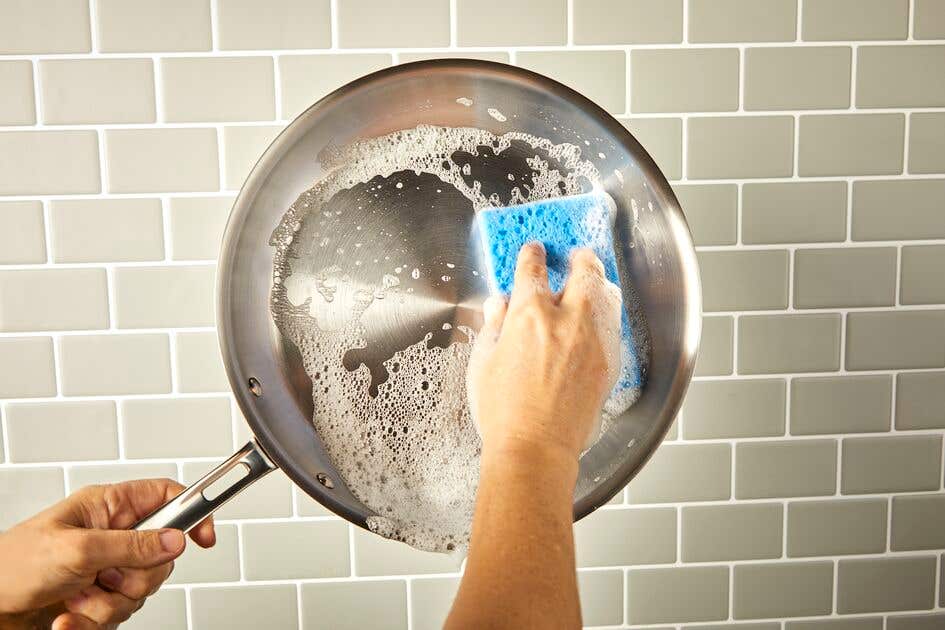
Dish soap helps remove grease. It is mild and safe for most cookware. Detergents can be stronger. They clean tough stains. Always check labels before use. Some detergents might harm certain surfaces. Use the right amount. Too much can be hard to rinse off.
Specialty cleaners are made for specific cookware. They clean without damage. Stainless steel needs special care. Non-stick surfaces have special cleaners too. Read instructions on each cleaner. This ensures safe and effective cleaning. Specialty cleaners can make cookware last longer.
General Cleaning Techniques
Daily cleaning keeps cookware looking new. Wash pots and pans after each use. Use warm water and mild soap. Dry them with a soft cloth. This stops water spots. Avoid metal scrubbers. They scratch surfaces. Non-stick pans need extra care. Do not use harsh cleaners. Wooden spatulas are gentle for cleaning.
Deep cleaning removes tough stains. Boil vinegar and water in the pan. This loosens stuck food. Baking soda works well. Mix with water to make a paste. Rub the paste on stains. Rinse and dry after. Salt helps remove grease. Sprinkle salt, scrub with cloth. Avoid bleach, it damages cookware.
Cleaning Stainless Steel
Stainless steel can get stains over time. Use a mix of baking soda and water. Make a paste and rub it on the stain. Let it sit for 10 minutes. Use a soft cloth to wipe it away. Rinse with warm water. Dry with a clean towel. This helps keep the shine.
To keep the shine, use white vinegar. Spray it on the steel. Wipe with a soft cloth. It removes streaks and fingerprints. For extra shine, use olive oil. Put a few drops on a cloth. Rub the steel gently. This makes it look new again.
Caring For Nonstick Surfaces
Nonstick surfaces need gentle care. Use a soft sponge to clean. Avoid metal scrubbers. They cause scratches. Scratches damage the coating. Use plastic or wooden utensils. Metal spoons and forks harm the surface. Store cookware properly. Do not stack with other pans. Separate with cloth or paper. This keeps them safe and scratch-free.
Coating loses its slick feel. To restore, try seasoning. Apply a thin layer of vegetable oil. Heat the pan for a few minutes. Let it cool, then wipe off excess oil. This helps regain the nonstick quality. If the coating is very damaged, it might be time to replace the pan. Regular care extends the life of your cookware. Always follow the manufacturer’s instructions for best results.
Maintaining Cast Iron
Cast iron needs a good coat of oil. This is called seasoning. First, clean the pan with water. Dry it with a towel. Next, put a bit of oil on a paper towel. Rub the oil all over the pan. Make sure you cover every spot. Place the pan in the oven. Heat it for an hour. Let it cool in the oven. This makes a shiny, non-stick layer.
Rust can harm your pan. Keep it dry to stop rust. After washing, always dry the pan right away. Store it in a dry place. You can even add a coat of oil before storing. This keeps rust away. Remember, water is not a friend of cast iron.
Cleaning Copper Cookware
Copper cookware often turns dull. This is called tarnish. To clean it, use a mix of lemon juice and salt. Rub it gently on the surface. A soft cloth works best. Rinse with warm water after. Dry with a clean towel. This keeps the shine.
Polishing copper is easy. Use a commercial copper polish. Follow the instructions on the package. Make sure to wear gloves. Apply the polish with a soft cloth. Buff in small circles. This makes the copper shiny. Rinse with water and dry well. Your copper will look new.
Credit: madeincookware.com
Ceramic Care Tips
Stains can be tricky. Warm water works wonders. Baking soda is a hero for stains. Sprinkle it over the stain. Rub gently with a soft sponge. Stains start to fade. Vinegar helps too. Mix vinegar with water. Apply on the stain. Let it sit for a few minutes. Wipe clean with a soft cloth. Stains vanish like magic.
Shiny cookware looks lovely. Lemon juice can help. Squeeze a lemon. Rub the juice on the surface. Buff with a soft cloth. Shine returns quickly. Olive oil adds extra sparkle. Dab a few drops. Rub gently on the ceramic. Wipe off excess oil. Shine stays longer. Simple tricks keep your cookware bright.
Common Mistakes
Many scrub cookware too harshly, causing scratches. Ignoring proper drying can lead to rust. Using wrong cleaners damages surfaces.
Avoiding Harsh Chemicals
Use mild soap and water for cleaning. Harsh chemicals can harm your cookware. They remove non-stick coatings. Scrub gently with a soft sponge. Avoid steel wool or stiff brushes. These can scratch surfaces. Rinse well after washing. This removes all soap. Dry cookware completely before storing. This stops rust and spots.
Proper Storage
Place cookware in a dry spot. Wet places cause rust. Stack pots carefully. This keeps them safe. Use paper towels between stacked items. This prevents scratches. Hang skillets if possible. This saves space. Cover lids with cloth. This keeps them clean. Separate utensils from cookware. This avoids damage.
Credit: www.thekitchn.com
Eco-friendly Cleaning Alternatives
Baking sodais a great cleaner. It’s gentle on pots. Mix it with water. It removes stains. Use it on burnt spots. Scrub gently with a soft cloth. Rinse with warm water.
Vinegaris another option. It cuts grease easily. Mix equal parts vinegar and water. This solution shines your pans. Soak for 15 minutes. Then, rinse well.
Create your own cleaner. Mix lemon juice and salt. This paste cleans tough spots. Rub it on the pan. Let it sit for a while. Rinse off with warm water.
Another trick is using leftover coffee grounds. They scrub away grime. Sprinkle them on your cookware. Scrub gently and rinse.
Credit: www.all-clad.com
Frequently Asked Questions
How Do I Get The Brown Stuff Off My Pan?
Use baking soda and vinegar to scrub off the brown residue. Boil water in the pan, then add baking soda. Let it cool, scrub with vinegar, and rinse. This method effectively cleans pans, leaving them shiny and residue-free.
Can You Use Baking Soda And Vinegar To Clean Pots And Pans?
Yes, you can clean pots and pans using baking soda and vinegar. Sprinkle baking soda, then pour vinegar. Let it fizz, scrub gently, and rinse. This method effectively removes stains and odors. Avoid using on non-stick surfaces to prevent damage.
How Do You Remove Buildup From Pans?
To remove buildup from pans, mix baking soda with water to form a paste. Scrub gently using a non-abrasive sponge. Rinse thoroughly and dry. For tough stains, let the paste sit for 15 minutes before scrubbing. Regular cleaning prevents future buildup, keeping your pans in good condition.
How Do You Clean Pots And Pans To Look Like New?
Clean pots and pans by scrubbing with baking soda and vinegar. Rinse thoroughly with warm water. Use a soft sponge for non-stick surfaces. Dry immediately to prevent water spots. For stubborn stains, soak in hot water with dish soap before scrubbing.
Conclusion
Cleaning cookware doesn’t have to be hard. Start with simple steps. Use mild soap and warm water. Scrub gently with a soft sponge. For tough stains, try baking soda paste. Rinse thoroughly to remove all residue. Dry cookware immediately to prevent rust.
Regular cleaning keeps cookware safe and long-lasting. Remember, proper care makes cooking enjoyable. Clean cookware also looks great in your kitchen. Try these tips for cleaner, shinier pots and pans. You’ll love the results. Your meals deserve clean, well-maintained cookware.
Enjoy cooking with confidence! Keep your cookware shining bright.